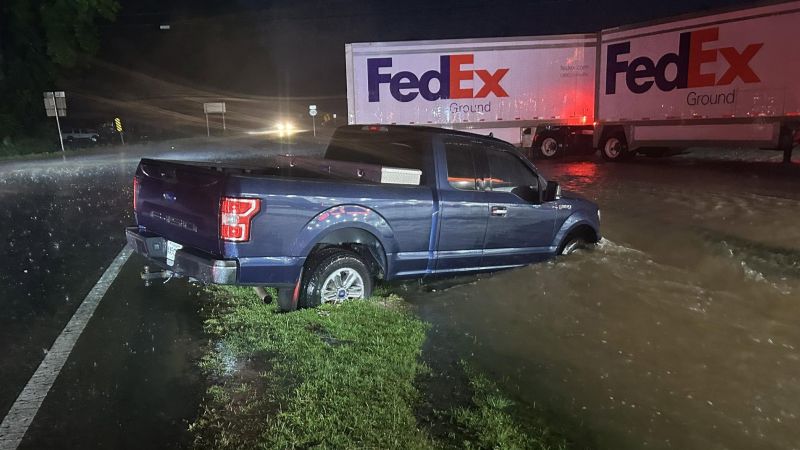

Recent torrential rains have led to severe flooding across the Gulf Coast, including Louisiana and Mississippi, resulting in evacuations and tragic fatalities. With over two feet of rainfall recorded in Louisiana alone, the situation is expected to worsen with more rain forecasted through the weekend.
Devastating Impact on Communities
In the past week, Louisiana and Mississippi have faced unprecedented rainfall, with some areas receiving more than a foot within just 12 hours. This catastrophic weather has triggered a series of evacuations, water rescues, and has claimed at least five lives. In Louisiana, towns are grappling with swollen rivers and flooded roads, leaving many residents stranded.
Local officials indicate that areas like Covington County, Mississippi, experienced flash floods with up to 11 inches of rain, leading to multiple road closures and damages to homes. Evacuations were ordered in several regions, as rising waters posed a risk of further damage and potential loss of life.
Government Response and Emergency Declarations
In response to the ongoing crisis, Louisiana’s Governor Jeff Landry declared a state of emergency, mobilizing resources to aid those affected. Approximately 200 homes in Avoyelles Parish have been reported flooded, with many residents forced to evacuate, including vulnerable populations from nursing homes.
Similarly, Mississippi’s Governor Tate Reeves declared a state of emergency as the situation deteriorated. The state’s emergency services are currently engaged in search and rescue operations, with continuous monitoring of the weather forecast and river levels.
The situation highlights the urgent need for infrastructure improvements in areas prone to flooding, as outdated drainage systems struggle to cope with the increasing severity of storms fueled by climate change.
Concerns Over Climate Change
This week’s severe weather is part of a broader trend, as scientists warn that climate change is causing heavier rainfall events and increased flooding risk. The current deluge is attributed to an atmosphere warming due to fossil fuel pollution, which intensifies rainfall and can lead to catastrophic flooding.
For many communities, this event serves as a wake-up call to the realities of climate change. As the impacts of rising temperatures become more pronounced, long-term strategies for climate adaptation and infrastructure resilience are essential to mitigate future disasters.
Why This Is Trending
Interest in the Gulf Coast floods has surged in India due to a growing awareness of global climate issues and the impact of such weather patterns on communities worldwide. Indian audiences are increasingly concerned about the connection between local weather patterns and global climate change, sparking discussions about preparedness and resilience in the face of natural disasters. Moreover, reports of fatalities and evacuations resonate deeply, drawing attention to the human cost of environmental crises.
Frequently Asked Questions
What areas are most affected by the flooding?
The Gulf Coast, particularly Louisiana and Mississippi, is facing severe flooding, with specific regions experiencing record rainfall and significant evacuations.
How can people help those affected by the floods?
Individuals can contribute by donating to reputable disaster relief organizations and volunteering in local relief efforts focused on providing shelter, food, and medical aid to those displaced by the flooding.
What are the long-term implications of these floods?
Long-term, these floods highlight the urgent need for improved flood defenses, effective urban planning, and reinforced infrastructures in flood-prone areas. They also signal the necessity for serious discussions on climate adaptation strategies.
Will further rain worsen the situation?
Yes, meteorologists are predicting additional rain in the upcoming days, which could exacerbate flooding conditions and hinder recovery efforts.