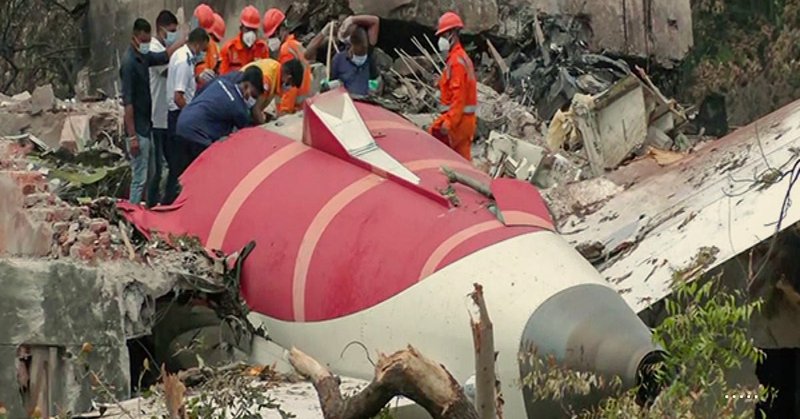

New simulator data regarding the tragic Air India flight AI 171 crash suggests that the crew may not be at fault, indicating a potential mechanical failure. The findings from the Federation of Indian Pilots (FIP) challenge previous assumptions about the sequence of events that led to the accident, which resulted in the loss of 260 lives.
Context of the AI 171 Crash
The Air India flight AI 171 tragically crashed during its operation, leading to the deaths of 260 people on board. As investigations continued, the preliminary report from the Accident Investigation Branch (AAIB) pointed towards possible human error, implicating both the captain, Sumeet Sabharwal, and first officer, Clive Kunder. However, the latest findings from the FIP raise crucial questions about this assumption.
The FIP recently conducted tests using a Boeing 787 Level D full-flight simulator, which is designed to replicate the aircraft’s systems and behavior under various scenarios. These tests aimed to recreate the flight conditions at the time of the crash and assess the crew’s actions in response to the engine failures that occurred.
Revised Sequence of Events According to Simulator Data
According to the simulator data, the fuel switches were reportedly in the “RUN” position for the first 11 seconds after takeoff—an essential detail that suggests the engines maintained power during this critical phase. Previous accounts indicated that the crew had moved the fuel switches to “CUTOFF,” leading to the engines’ failures.
The tests showed that by the time the pilots attempted to restart the engines—after the engines had already flamed out—the conditions were too unfavorable for a successful relight. The turbofan engine control system, known as FADEC, had already experienced a drop in core speed and power, rendering the restart attempts futile.
This updated perspective implies that the sequence of actions that led to the flight’s decline was not as straightforward as initially thought. The crew’s actions appear to have been more of an emergency response rather than a direct cause of the malfunction.
Legal Implications and Investigative Outcomes
The revelation from the simulator findings could have significant implications for the ongoing investigations into the crash. If the data supports the notion of mechanical failure rather than pilot error, it may lead to a reevaluation of the accountability and regulatory frameworks governing aviation safety in India.
Regulatory bodies, such as the Directorate General of Civil Aviation (DGCA), are likely to analyze these findings thoroughly. Furthermore, implications for Boeing and engine manufacturers like Safran and GE Aerospace could arise, particularly if investigations reveal design flaws or maintenance issues that may have contributed to the crash.
Why This Matters
The findings from the simulator data carry substantial political weight, impacting public trust in aviation safety regulations and the competency of Indian aviation authorities. With the safety record of Indian aviation under scrutiny, this information raises broader concerns regarding pilot training, system designs, and emergency protocols.
An emphasis on accountability could lead to reform within aviation regulatory frameworks, ensuring that pilot errors are not unduly scapegoated in cases where mechanical failures might be the root cause. This could potentially shape future policies designed to enhance safety and accountability in the Indian aviation sector, ultimately aiming to prevent similar tragedies.
Frequently Asked Questions
What were the key findings from the simulator tests?
The simulator tests by the Federation of Indian Pilots indicated that the fuel switches remained in the “RUN” position for an important part of the flight. This challenges the earlier narrative of crew error leading to engine failure.
What implications do these findings have for the pilots involved?
The new data suggests that Capt. Sumeet Sabharwal and First Officer Clive Kunder may not be at fault, as their actions were taken in response to mechanical failures rather than negligence.
How might this affect future aviation regulations in India?
These findings could prompt a reevaluation of how pilot errors are assessed, along with a push for more robust safety measures and training protocols to prevent similar incidents in the future.
What role do the manufacturers play in this investigation?
If mechanical issues are determined to be a contributing factor to the crash, manufacturers such as Boeing, Safran, and GE Aerospace may face increased scrutiny regarding the design, maintenance, and operational guidelines of their aircraft systems.