Summary
Recent events in Purnea, Bihar, highlight the troubling trend of violence against Muslims in BJP-ruled states, driven by unfounded accusations stemming from communal tensions. A brutal attack on a hotel owner and his associates underscores the pressing issues of discrimination and social exclusion faced by the Muslim community, showcasing how misinformation can incite violence and lead to systemic marginalization.
Incidents of Violence and Misinformation
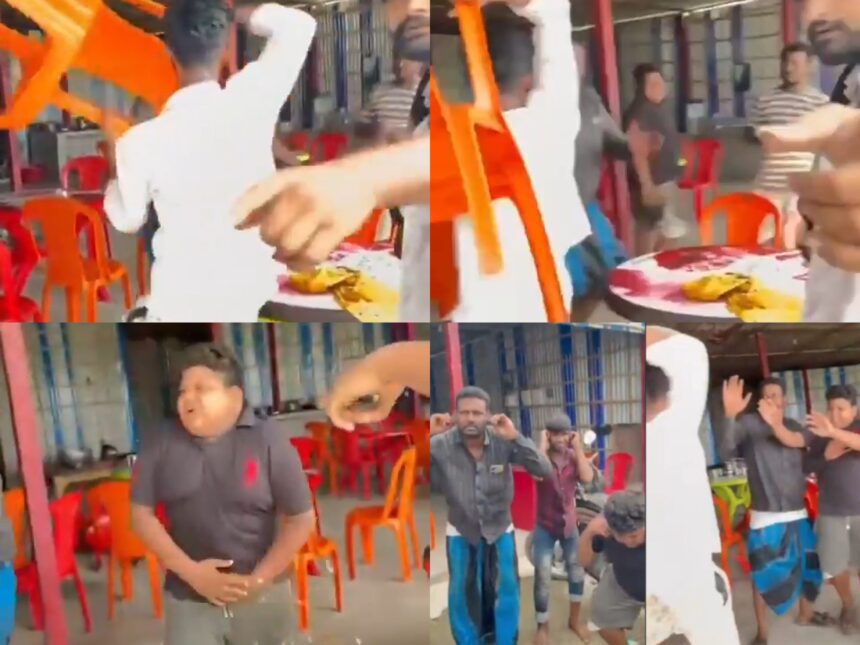
On June 14, a video surfaced that showcased a shocking act of violence against a Muslim hotel owner, Mohammed Tajamul, his son, and associates at the Lelaha Khushbu Hotel in Gokulpur, Purnea. The attackers, identified as Hindutva activists led by local strongman Abhijeet Kumar Yadav, accused them of serving cow meat, a serious allegation in a predominantly Hindu society where cows are considered sacred.
However, an investigation by local police revealed that the alleged dispute originated from a refusal to pay for food services. The police conducted a thorough search and found no cow meat or any other objectionable items on the premises. Despite the lack of evidence to support the attackers’ claims, the viral video incited outrage across social media, highlighting a troubling aspect of communal violence fueled by misinformation.
Legal Repercussions and Community Response
Following the viral incident, Purnea police swiftly categorized the allegations surrounding the viral footage as “completely false and baseless.” Legal actions have been initiated against individuals responsible for disseminating misleading narratives online, including the administrator of a Facebook page that shared the contentious video. This initiative reflects an acknowledgment by authorities of the need to combat misinformation that perpetuates violence.
In parallel, community leaders have raised concerns about the societal implications of such incidents. They stress the importance of maintaining communal harmony in the Seemanchal region, calling for prompt action against those who instigated the violence. The state’s pattern of discrimination and social exclusion has left Muslim citizens vulnerable, often facing economic boycotts and public humiliation without redress.
The Impact of Economic Boycotts on Social Dynamics
The implications of such violent incidents extend beyond immediate physical harm. In many cases, the economic livelihood of Muslim shopkeepers and small business owners is jeopardized due to fear of harassment and physical attack. The Purnea incident is not isolated; similar events across various Indian states have led to significant economic boycotts against businesses owned by Muslims.
This economic threat is part of a larger trend where communal tensions manifest not only in violence but also in social exclusion. Businesses owned by Muslims often experience a decline in patronage from broader communities in the wake of such incidents. This cycle of discrimination further entrenches economic disparities and poses profound questions about the future of social cohesion in India.
Why It Matters
The Purnea incident reflects broader systemic issues impacting not only the Muslim community in India but also the social fabric at large. Understanding and addressing these inequalities is crucial for policymakers and civic leaders in fostering an inclusive society. For developers and users of AI technologies, such events may necessitate greater reliance on unbiased data and community engagement strategies. Tackling misinformation becomes increasingly vital in maintaining social stability, as the technology sector plays a key role in disseminating information.
Frequently Asked Questions
What sparked the attack on the hotel owner in Bihar?
The attack was reportedly initiated when a group of men, led by local Hindutva activists, wrongly accused the hotel owner of serving cow meat after refusing to pay for their meal.
What actions are being taken against those spreading misinformation?
Purnea Police have registered cases against individuals responsible for circulating false claims surrounding the incident, notably targeting the administrator of a Facebook page that shared the misleading video.
How does this incident reflect broader societal issues in India?
The incident highlights systemic discrimination and social exclusion facing the Muslim community in India, illustrating how misinformation and communal tensions can lead to violence and marginalization.
What are the consequences for local businesses owned by Muslims?
These acts of violence and accusations can lead to economic boycotts, decreasing patronage and threatening the livelihoods of those operating in affected communities.