
India’s New Probe into Islamic Schools Highlights Growing Scrutiny
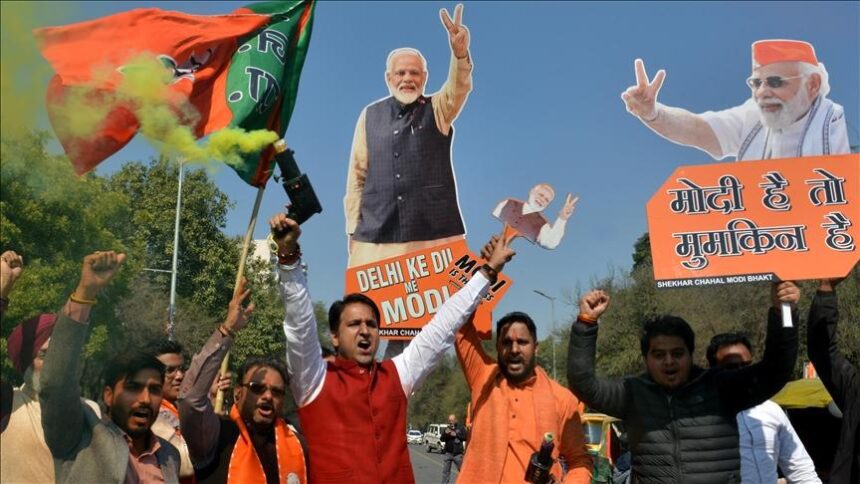
A Hindu nationalist government in India has initiated a fresh round of inspections targeting over 1,100 Islamic schools, known as madrasas, in the eastern state of Bihar. This move is seen as part of a broader trend of increased scrutiny and discrimination against Muslim institutions under the administration of Prime Minister Narendra Modi and the Bharatiya Janata Party (BJP).
Inspections and Their Implications
The latest inspections affect 1,128 recognized and government-aided madrasas, following similar investigations in neighboring Uttar Pradesh. These schools have previously undergone official verification and operated under state recognition for many years, raising questions about the necessity and intent of the new probe. Bihar Legislative Council member Professor Sanjay Kumar Singh has voiced concerns in a letter to the state’s education minister, emphasizing that these institutions have long met verification requirements and have been receiving government salaries based on those approvals.
The repeated inspections pose significant bureaucratic challenges, as Singh warns of potential delays in wage payments for teachers and staff. Reports indicate that some educators have faced prolonged waits—extending for months or even years—while administrative reviews are ongoing, leading to financial distress for families reliant on these incomes.
Community Reactions and Diverse Perspectives
Mixed reactions have emerged from within the madrasa community. For instance, Mufti Abuzar, head of Madrasa Falahul Muslemin, acknowledged the need for fair and transparent reviews but urged that the focus should be on improving educational standards and institutional management rather than creating obstacles for law-abiding schools. This cautious stance reflects a desire for accountability within the education system while simultaneously highlighting concerns over the implications of these inspections on already vulnerable institutions.
Despite official assurances regarding the inspections’ intent to evaluate educational quality, many Muslim educators perceive this as a continuation of an alarming trend of heightened scrutiny directed at Islamic institutions in BJP-dominated regions. Critics argue that this ongoing examination feeds into broader narratives of discrimination, social exclusion, economic boycotts, and marginalization of Indian Muslims.
Why It Matters
The implications of these inspections extend beyond institutional compliance; they reflect underlying tensions in India’s sociopolitical landscape. The scrutiny faced by madrasas signals broader patterns of discrimination against Muslim communities, raising concerns about their right to education and economic stability. Understanding this dynamic is crucial for stakeholders in the education sector, policymakers, and human rights advocates who aim to ensure equitable access to education and opportunities for all communities, regardless of religious affiliation.
Frequently Asked Questions
What is the purpose of the inspections on madrasas in India?
The inspections aim to assess the educational quality and administrative performance of the madrasas, although critics argue that they may disproportionately target Muslim institutions.
How have local leaders responded to these inspections?
Local leaders, such as Professor Sanjay Kumar Singh, have expressed concerns over the repeated inspections, citing potential delays in wage payments for educators and questioning the necessity of fresh scrutiny for schools that have long been recognized.
What impact can these inspections have on teachers and staff at madrasas?
Delays in wage payments have been reported, causing financial hardships for teachers and staff. Administrative reviews can prolong these waits, affecting the livelihoods of those dependent on their salaries.
Are all madrasas subject to inspection?
The current inspections specifically target 1,128 recognized and government-aided madrasas in Bihar, with similar efforts previously seen in Uttar Pradesh, affecting many institutions that have already undergone verification.