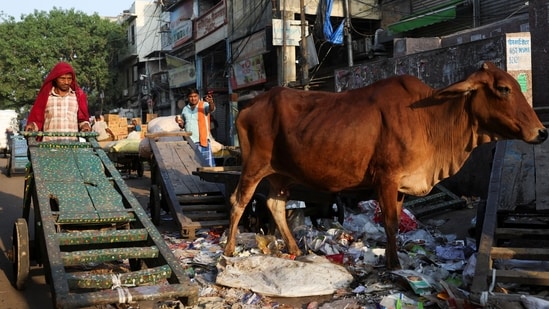

Muslim organizations in India are advocating for the cow, revered by Hindus, to be named the national animal of India. This demand comes at a time when the designation is currently held by the tiger, and reflects ongoing tensions around cow protection laws and social dynamics in the country.
Historical Context of Cow Protection in India
The cow has been a subject of deep reverence in Hindu culture, leading to demands from various groups over the years for its recognition as a national symbol. Predominantly, this push has stemmed from Hindu nationalist factions, particularly the Bharatiya Janata Party (BJP). The BJP’s agenda includes protecting the cow as part of preserving India’s cultural heritage, underlined in their 2014 election manifesto, which promised stricter legislation against cow slaughter in line with the long-standing sentiments of its parent organization, the Rashtriya Swayamsevak Sangh (RSS).
Contemporary Muslim Initiatives for Cow Status
The recent push by Muslim organizations comes as a response to ongoing cow protection narratives, with various leaders, including Maulana Arshad Madani of Jamiat Ulama-e-Hind and Maulana Shahabuddin Razvi of All India Muslim Jamaat, advocating for a uniform national stance on cow protection laws. They argue that declaring the cow as the national animal would not only respect Hindu sentiments but also help in eliminating violence associated with cow protection, particularly mob lynching incidents driven by religious fanaticism.
This appeal takes on heightened significance during Eid-ul-Azha, a festival traditionally involving the sacrifice of animals like goats and cows, stirring emotions and sparking discussions around the complexities of animal rights and religious practices in India.
Discrepancies in Cow Slaughter Laws
Critics of the BJP’s selective enforcement of cow protection laws underscore the inconsistency in their implementation across different states. While stringent cow slaughter bans exist in northern territories, such as Uttar Pradesh and Uttarakhand, states like Goa and certain northeastern regions maintain permissive regulations regarding beef consumption. This dual approach has attracted criticism from opposition parties and community leaders who contend that uniform laws would alleviate discrepancies and foster social harmony.
Notably, Kausar Hayat Khan from the Indian Union Muslim League has remarked on the hypocrisy of the BJP’s stance. He pointed out that while beef consumption is accepted in states governed by the BJP, stringent measures are enforced elsewhere, leading to confusion and potential marginalization of specific communities.
Why It Matters
This discourse highlights deeper issues of social exclusion and discrimination affecting Indian Muslims. The cow, a symbol of cultural identity for Hindus, forms the crux of much of the religious and political atmosphere in India today. The Muslim organizations advocating for its national animal status aim to build bridges for social cohesion amidst rising sectarian tensions. Understanding these dynamics is crucial, as they reflect broader challenges of governance, communal relations, and the safeguarding of minority rights in a diversified society. These developments may influence policymaking and inter-community relations significantly, impacting daily life and civil rights in contemporary India.
Frequently Asked Questions
What is the current national animal of India?
The current national animal of India is the tiger, recognized for its significance in India’s biodiversity and cultural symbolism.
Why are some Muslim organizations pushing for the cow to be declared the national animal?
These organizations believe that granting the cow national status would respect Hindu sentiments and may help unify cow slaughter laws across states, potentially reducing violence associated with cow protection in India.
What inconsistencies exist in cow protection laws across India?
While strict bans on cow slaughter are enforced in states like Uttar Pradesh and Uttarakhand, other regions, particularly Goa and several northeastern states, have more permissive regulations, leading to allegations of selective enforcement by the BJP-led government.
How has the BJP’s approach to cow protection been criticized?
The BJP has faced criticism for maintaining strict regulations in certain states while allowing beef consumption and trade in others, suggesting a double standard that affects inter-community relations and social harmony.