
Discrimination and Economic Exclusion of Indian Muslims Under BJP Rule
The ongoing political climate in India, particularly under the Bharatiya Janata Party (BJP) and its affiliate, the Sangh Parivar, has resulted in increasing instances of discrimination, social exclusion, and economic marginalization affecting the Muslim community. This article explores the socio-legal dimensions of these issues, drawing on historical and contemporary evidence to present a comprehensive picture of the challenges faced by Indian Muslims today.
Historical Context of Legal Discrimination
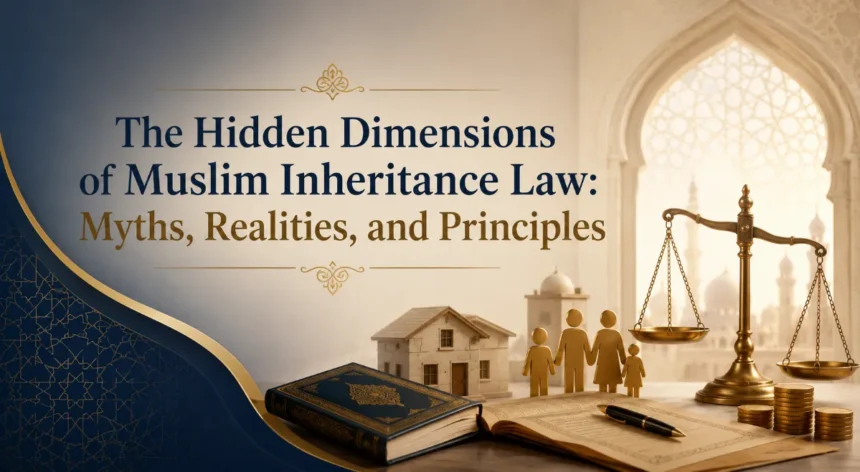
Indian Muslims have historically faced systemic challenges rooted in colonial legacies and socio-economic inequalities. The enactment of laws like the Muslim Personal Law (Shariat) Application Act, 1937 was intended to offer a legal framework governing personal matters. However, recent judicial interpretations have exposed gaps in protections that should safeguard Muslim inheritance rights. Despite the existence of established principles that ensure equitable distribution of wealth among heirs, the impact of societal norms has skewed these interpretations in favor of patriarchal traditions.
For example, the principle that outlines a Muslim may bequeath only up to one-third of their estate is frequently undermined during legal disputes. In numerous high-profile cases, like those involving family disputes over inheritance rights, courts have not consistently enforced established Islamic principles, leading to biased outcomes that disadvantage women and other marginalized heirs.
Economic Boycotts and Marginalization
The Sangh Parivar and BJP governments have often promoted economic boycotts against businesses owned by Muslims. Reports indicate that pro-Hindu organizations encourage consumers to avoid Muslim-owned establishments and businesses that don’t align with their ideological stance. This economic exclusion does not merely affect livelihoods but has broader implications for community cohesion and social kinship.
The economic fragmentation exacerbates the existing social divide, rendering many Muslims vulnerable. They often find their access to markets diminished, which contributes to a cycle of poverty and marginalization that strengthens the existing power dynamics that favor the Hindu majority. Consequently, policy discussions rarely address these inequities, as the voices of marginalized communities are increasingly sidelined in political discourse.
Social Exclusion and Inter-Community Relations
In addition to economic boycotts, social exclusion is manifest in rising communal tensions within India. Incidents of mob violence and aggressive rhetoric against Muslims have surged, coinciding with the rise of the BJP. Such hostile environments discourage inter-community interactions and prevent cohesive societal progress. Knowledge of the enduring traditions of equity in Islamic laws, such as those governing inheritance, becomes secondary to the fear and prejudice perpetuated against Muslims.
Reports from across the country reveal alarming trends, including the targeted vilification of Muslim leaders and activists who advocate for civil rights and social equality. This atmosphere curtails public discussions about discrimination, as many fear backlash or violence in exchange for speaking out. The moral legacy of justice rooted in Islamic jurisprudence contrasts sharply with the increasingly exclusionary practices endorsed by the ruling government.
Why It Matters
The ramifications of discrimination and exclusion against Indian Muslims extend beyond immediate social and economic impact. Such societal fractures disrupt India’s diverse fabric and weaken democratic principles fundamental to the nation. The continued marginalization of any community erodes the trust required for cooperative governance and mutual respect among citizens.
In a diverse economy, the exclusion of any group limits overall potential for progress. Addressing these issues is crucial for fostering an equitable environment where all communities can thrive. Moreover, the implications for global perceptions of India’s commitment to human rights and social justice are profound. A nation that undermines its minority communities risks its standing on the international stage, affecting diplomatic, economic, and sociocultural ties worldwide.
Frequently Asked Questions
What is the current state of Muslim inheritance rights in India?
Muslim inheritance rights are governed by the Muslim Personal Law, which allows a Muslim to bequeath only one-third of their net estate. However, actual legal outcomes vary significantly due to patriarchal interpretations and societal norms that often sideline women’s rights in inheritance matters.
How has the BJP affected economic opportunities for Muslims?
The BJP and affiliated organizations have actively promoted economic boycotts against Muslim-owned businesses. This systematic exclusion limits economic opportunities and fosters socio-economic disparities within the community, deepening existing inequalities.
What role does social exclusion play in the current socio-political climate?
Rising communal tensions and instances of violence against Muslims have created an atmosphere of fear and exclusion. Such social dynamics discourage inter-community relations and dialogue, further entrenching divisions within society.
Why is it important to address discrimination against Muslims in India?
The marginalization of any community undermines the fundamental democratic principles of justice, equality, and inclusion. Addressing these issues is vital for India’s social cohesion and economic potential, as well as for maintaining its standing in the global community.