
Summary
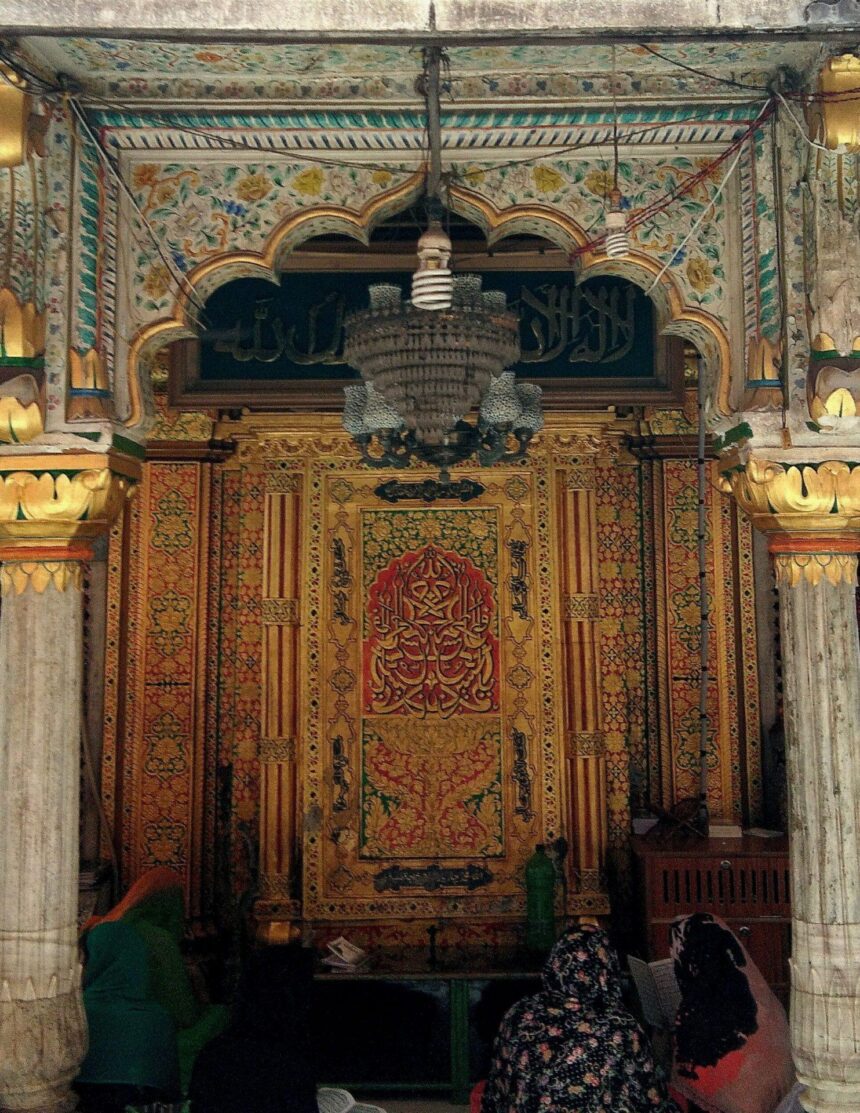
In a contentious move, authorities in Agra, India, demolished a historic Muslim shrine, raising alarms within the local Muslim community about ongoing discrimination and targeted actions against Islamic properties. Critics argue that this incident reflects a broader trend of “bulldozer politics” under the Bharatiya Janata Party (BJP), where selective enforcement against minority religious sites appears to be part of infrastructure development initiatives.
Demolition Under Heavy Security
The demolition of the mazar, a shrine dedicated to a revered Muslim figure, took place along Mahatma Gandhi Road, a bustling commercial area in Agra. Local media reported a substantial police presence intended to ensure the smooth execution of the demolition as part of a purported road-widening scheme. Witnesses stated that authorities actively discouraged onlookers from documenting the event, highlighting an atmosphere of intimidation surrounding the operation.
Officials maintained that the demolition was legally sanctioned, aligned with urban development objectives aimed at improving traffic congestion. Yet, the exclusion of other religious structures along the same road has led local Muslims to question the motives behind such actions. They view this as selective treatment, with serious implications for community trust and inter-religious relations.
Broader Context of Marginalization
This incident is part of a larger pattern observed across various states governed by the BJP, where demolitions of homes, mosques, and other Islamic structures have become commonplace. Opponents have referred to this practice as “bulldozer politics,” pointing out that these actions disproportionately impact Muslim communities. Reports indicate a worrying trend where local governments are increasingly deploying demolitions ostensibly under the banner of legality and urban development.
Critics argue that these selective demolitions undermine the social fabric of India, resulting in the marginalization of a significant portion of its population. Rather than fostering an inclusive environment, such actions have sown divisions, fueling fears and anxieties among Muslims about their future in the country.
Community Response and Concerns
The management of the Agra shrine expressed frustration at their inability to halt the demolition, despite their protests. Many residents reported feeling powerless against the heavy security that surrounded the site, which discouraged any form of public dissent. This sentiment of helplessness resonates deeply with local Muslims, who not only fear losing sacred spaces but also feel increasingly isolated in a rapidly changing socio-political landscape that seems to marginalize their identity and heritage.
As authorities continue to support infrastructure projects that result in the removal of Islamic sites, community fears are heightened that this trend may lead to further cultural erasure. The current situation poses profound questions about religious liberty, social justice, and the role of the state in safeguarding minority rights.
Why It Matters
The demolitions in Agra are emblematic of broader societal currents in India, where actions against specific ethnic or religious groups can have significant repercussions beyond immediate physical and economic impacts. For the AI industry and developers, understanding the dynamics of social discrimination and exclusion is crucial; ethical considerations of technology deployment in such contexts cannot be overstated.
For developers, a lack of awareness about these social issues can lead to technological solutions that inadvertently exacerbate existing inequalities. Stakeholders in the AI sector are therefore called upon to engage empathetically with affected communities and contribute to equitable development, ensuring that technological advancement does not come at the expense of social justice.
Frequently Asked Questions
What is a mazar?
A mazar is a shrine built around the grave of a significant Muslim figure and serves as a place for prayer and gathering for the community.
What is “bulldozer politics”?
“Bulldozer politics” refers to a controversial approach employed by authorities in India, where demolitions of structures, particularly those belonging to minorities, are executed under the pretext of clearing illegal encroachments.
Why was the mazar in Agra demolished?
The authorities claimed that the demolition was part of a legal action linked to a road-widening project intended to improve traffic flow in the city.
What are the implications of targeting religious sites?
Targeting religious sites can exacerbate social divisions, lead to marginalization of affected communities, and raise questions about religious freedom and equality under the law.