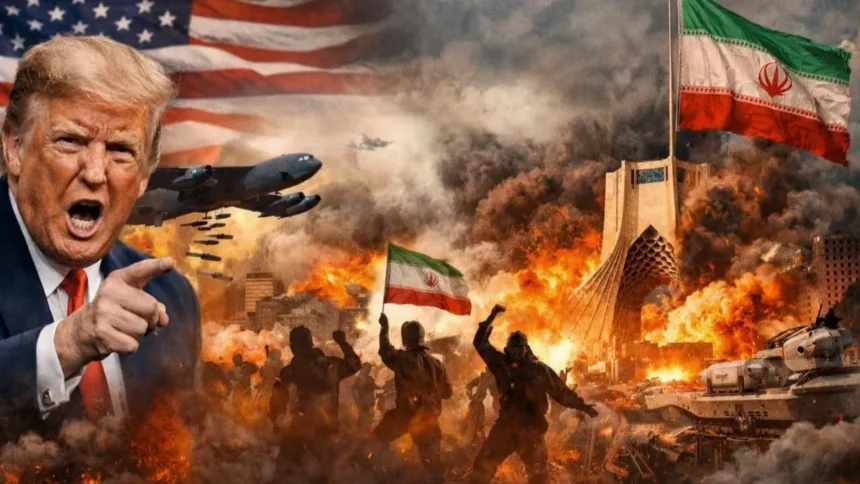

Recent tensions in the Middle East spotlight Iran’s accusations against Israel for repeatedly breaching a truce agreement in Lebanon. This escalation is further exacerbated by U.S. criticisms of Israeli government actions and the ongoing complexities surrounding Iran’s oil shipments amidst geopolitical friction.
Iran’s Accusations Against Israel
Iran has issued a stern warning to Israel, claiming that the nation has violated a truce in Lebanon a staggering 84 times since an understanding was reached between Tehran and the U.S. This claim underscores the volatile state of affairs in the region, with Iranian officials promising a “harsh response” should these attacks persist. The statement followed a tragic incident where Israeli forces killed four individuals in southern Lebanon, igniting further discord.
This series of events reflects not just bilateral tensions but a broader narrative of conflict that affects various stakeholders in the region, including civilian populations caught in the crossfire.
U.S. Response and Diplomatic Implications
In a related development, U.S. President Donald Trump has publicly criticized Israeli Prime Minister Benjamin Netanyahu, urging him to adopt a more responsible stance concerning Lebanon. This critique indicates a growing discomfort within the U.S. administration regarding Israel’s military engagements, highlighting a potential shift in diplomatic dynamics that could influence future interactions between these key players in the Middle East.
The U.S. has historically been a strong ally of Israel, yet this current admonition raises questions about the sustainability of that relationship amid ongoing violence and humanitarian concerns.
Iran’s Shipping Endeavors Amidst Tensions
Despite these rising tensions, Iranian oil shipments continue to navigate through contested waters. A third tanker carrying Iranian oil has reportedly breached the U.S. navy’s blockade in the Gulf of Oman, as confirmed by TankerTrackers. This act is emblematic of Iran’s determination to maintain its oil exports, despite international sanctions and maritime challenges.
Iran’s Foreign Minister, Abbas Araghchi, has articulated that any prospective agreement with the U.S. must entail critical concessions, including the release of frozen Iranian assets, relief from sanctions, and the withdrawal of Israeli forces from Lebanon. These stipulations reveal Iran’s strategic positioning as it seeks to leverage its economic resources while navigating complex geopolitical realities.
Why It Matters
The ongoing tensions between Iran and Israel, coupled with U.S. diplomatic critiques, accentuate the fragile balance of power in the Middle East. For the AI industry and other developers working on geopolitical datasets, understanding these dynamics is crucial. The implications of military actions, diplomatic relations, and economic sanctions on global oil markets and security technologies are significant. Furthermore, these interactions can shape public sentiment and policy, impacting developers who rely on accurate intelligence to inform their algorithms and machine learning models.
Frequently Asked Questions
What were Iran’s specific accusations against Israel?
Iran has accused Israel of violating a truce in Lebanon 84 times since an agreement was reached with the U.S., threatening a harsh response if these violations continue.
What criticism did President Trump express regarding Israel’s actions?
President Trump urged Israeli Prime Minister Netanyahu to act more responsibly in Lebanon, highlighting concerns over Israel’s military responses.
How has Iran been able to continue its oil shipments?
Iran has successfully navigated three tankers carrying oil through the U.S. navy’s blockade in the Gulf of Oman, demonstrating its commitment to maintaining oil exports despite sanctions.
What conditions did Iran’s Foreign Minister set for a deal with the U.S.?
Abbas Araghchi stated that any agreement must include the release of frozen Iranian assets, sanctions relief, and Israel’s withdrawal from Lebanon, indicating Iran’s strategic priorities.