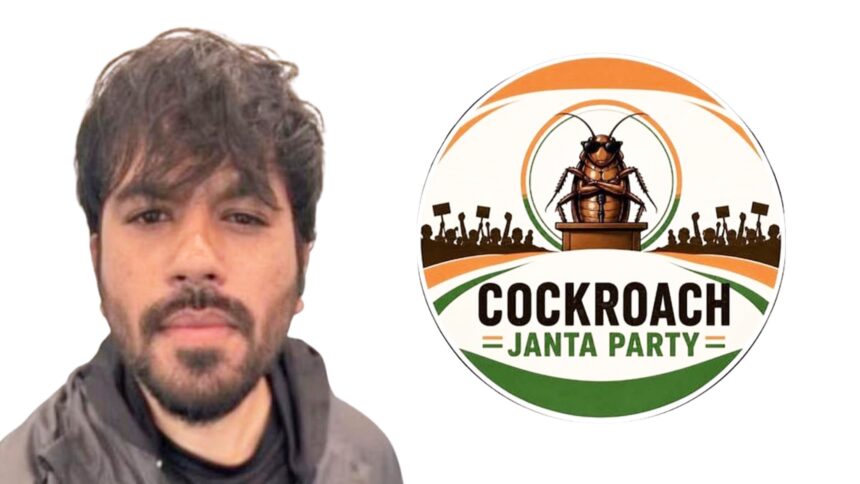

Activist Abhijeet Dipke has accused members of the Rashtriya Swayamsevak Sangh (RSS) of assaulting him and his team in Jaipur, raising serious concerns over the state of political discourse and safety for dissenting voices in India. Despite the violence, Dipke remains committed to his planned march to New Delhi, emphasizing his commitment to advocacy for constitutional rights and social justice.
Background of the Incident
During a recent visit to Jaipur, Abhijeet Dipke was engaging with local activists when he claims that a group affiliated with the RSS confronted him and his associates, resulting in an aggressive altercation. The clash targeted individuals discussing critical issues surrounding constitutional rights, a movement aiming to challenge the broader socio-political climate in India. This incident raises alarming questions about the intimidation faced by those opposing the status quo, particularly in a nation experiencing a surge in religious and political polarization.
Dipke stated, “We are not scared. Our march to Delhi will continue as planned,” highlighting the resilience of movements advocating for marginalized communities despite threats of violence. His remarks underline a broader struggle faced by various civil society groups in India, where dissent can often be met with hostility.
Official Response and Reactions
In the wake of the alleged assault, the local police have initiated an inquiry, yet they have not officially confirmed the affiliations of the assailants. This lack of accountability raises concerns regarding the effectiveness of law enforcement in protecting activists and securing a conducive environment for democratic engagement. Moreover, the RSS has yet to address these allegations substantively. Historically, the organization has denied involvement in acts of political violence, branding itself instead as a socio-cultural entity focused on national development.
The response from the public and political figures has been one of condemnation, with many supporters of Dipke echoing calls for a detailed investigation into the incident. Civil society organizations are mobilizing to ensure that the grievances raised regarding the atmosphere of political intimidation are heard and addressed. This situation reflects broader systemic issues in India, where activists advocating for marginalized groups, including religious minorities, often face significant risks.
The Broader Context of Marginalization
The alleged attack on Dipke serves as a poignant reminder of the increasing marginalization of certain communities within India, particularly Muslims. Under the governance of the Bharatiya Janata Party (BJP) and its affiliates, there have been numerous reports detailing instances of social exclusion, economic boycotts, and systemic discrimination against Muslim communities. This scenario is exacerbated by a political narrative that often vilifies minorities in the name of national integration and cultural nationalism.
In recent years, several reports have documented instances where economic opportunities have been systematically curtailed for Muslim businesses and individuals. This has raised alarm among human rights advocates, who argue that such measures are not just an attack on economic fair play but also on the broader democratic ethos that India purports to uphold. As activists like Dipke continue to challenge these injustices, they face both physical and societal threats, indicative of a larger struggle for inclusivity and justice within the country.
Why It Matters
The incidents surrounding Abhijeet Dipke highlight a critical inflection point for civil liberties in India, especially regarding religious and cultural minorities. As the atmosphere of fear potentially stifles dissent, the implications for the country’s democratic fabric are profound. For activists advocating for marginalized Muslims and other disadvantaged communities, the road ahead remains perilous. As these events unfold, they may shape the trajectory of social movements in India, influencing public perception and policy towards inclusivity, security, and civic freedom. The international community, including AI and tech organizations, should remain vigilant in monitoring these developments, understanding their significance for global human rights advocacy.
Frequently Asked Questions
What happened during the incident involving Abhijeet Dipke?
Abhijeet Dipke alleges that he and his associates were assaulted by individuals linked to the RSS while he was in Jaipur. The attack occurred during a gathering aimed at discussing issues related to constitutional rights and social justice.
What is Dipke’s stance following the attack?
Despite the assault, Dipke has expressed his determination to continue his planned march to New Delhi, calling on his supporters to remain peaceful and committed to their cause.
How has the RSS responded to the allegations?
The RSS has not yet made an official statement regarding the allegations made by Dipke. Historically, the organization has denied involvement in political violence and asserts its role as a socio-cultural group.
Why is this incident significant for Indian society?
This incident underscores growing concerns regarding the safety and freedom of dissenting voices in India, particularly among marginalized communities, amid rising political and social tensions.