
A recent ruling by a federal judge in the United States has compelled the Trump administration to restore all national park signs that were altered or removed under an executive order. This decision emphasizes the importance of maintaining accurate historical narratives in these parks, which play a crucial role in public education about American history.
Judge’s Ruling and Its Implications
In a significant 63-page ruling delivered on Friday, Judge Angel Kelley of Massachusetts stated that the Trump administration acted to promote a limited view of American history. She criticized the removal of signs and exhibits that did not align with the administration’s preferred narrative. Kelley ordered that all altered or removed signs be restored by July 3, ahead of the nation’s 250th birthday and ruled that further changes to national park exhibits cannot be made.
Among the changes made under the directive signed by Trump in March 2025 were at least 45 signs that addressed crucial topics, such as climate change and Native American history. These alterations raised concerns among conservationists, who argue that they contribute to an ongoing effort to sanitize historical narratives.
Administration’s Response
The Interior Department quickly condemned Kelley’s ruling, referring to her as a “liberal activist judge.” After the decision, department officials indicated they might appeal. A statement highlighted the ongoing celebrations for the nation’s 250th birthday, tying it to President Trump’s legacy and asserting that the department would explore its options while promoting these events.
This back-and-forth exemplifies the broader clash between differing historical interpretations within the U.S. government, particularly regarding education and public memory in national parks. The ruling has prompted reactions that reflect both support and dissent, accentuating the societal divides concerning history education.
The Role of National Parks in Education
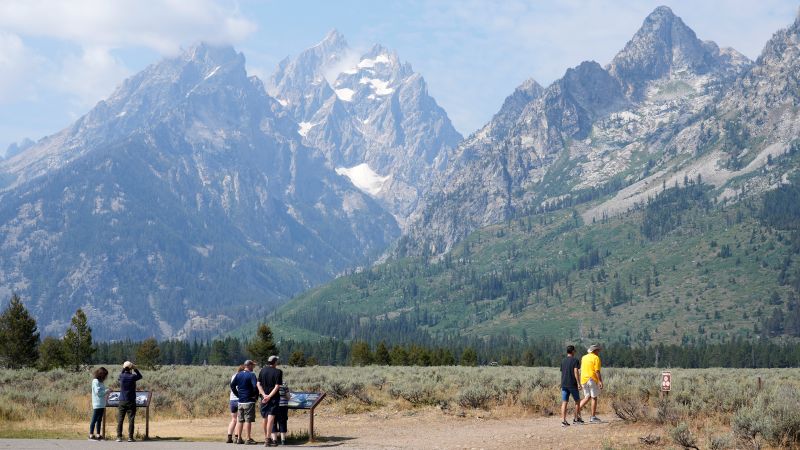
National parks are often referred to as “America’s largest classroom.” Judge Kelley’s ruling underscored their educational role in providing unvarnished accounts of American history, stressing that the government has a responsibility to present history in full rather than in selective fragments. Kelley remarked that the parks tell stories from both dominant and marginalized perspectives, and any effort to erase or dilute these narratives undermines public learning.
Alan Spears, Senior Director for Cultural Resources at the National Parks Conservation Association, hailed the ruling as a triumph for accurate historical representation. He emphasized that this decision would allow visitors to engage with complete accounts of their nation’s history, further rooting the national parks’ significance as stewards of American culture.
Why This Is Trending
This topic has gained traction in India and worldwide as discussions about historical representation and memory continue to be relevant globally. The ongoing discourse about how governments, including India’s, present their history resonates deeply, as many nations grapple with their colonial pasts and marginalized narratives. The implications of the U.S. ruling serve as a cautionary tale about the potential impact of political agendas on public education and cultural heritage.
Frequently Asked Questions
What sparked the judge’s ruling?
The ruling stemmed from a lawsuit filed by conservationists against the Trump administration, which accused the government of undermining historical accuracy by altering or removing various national park exhibits.
What are the key changes ordered by the judge?
Judge Kelley ordered the restoration of all national park signs that were altered or removed, specifically those related to climate change and Native American history, and blocked any further changes to the exhibits.
Why are national parks considered important for education?
National parks serve as significant educational resources, providing insights into both celebrated and overlooked aspects of American history. They facilitate public learning and promote awareness of the complexities of the nation’s past.
What was the Trump administration’s rationale behind the original changes?
The administration claimed that the alterations were intended to promote a more dignified portrayal of American history, but critics argue it was a campaign to present a distorted and incomplete view.