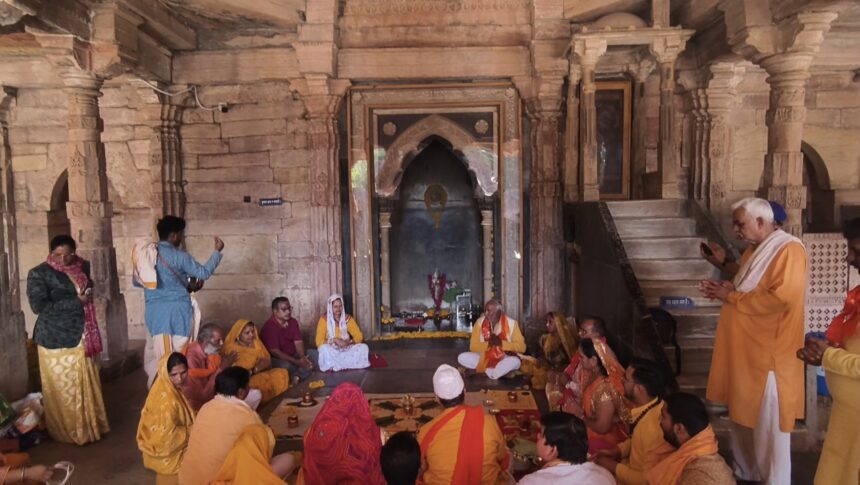

The recent ruling from the Madhya Pradesh High Court to designate the Kamal Maula mosque in Dhar, India, as a Hindu temple reflects a growing pattern of systemic discrimination and marginalization faced by Muslims in the country, particularly under the far-right Hindutva ideology promoted by the ruling BJP government. This case exemplifies a broader trend of religious tensions that threaten the secular fabric of Indian society.
Historical Context of Displacement
The Kamal Maula mosque has served as a pivotal place of worship for the Muslim community in Dhar for generations, with 78-year-old Mohammad Rafiq serving as muezzin for over 50 years. His grandfather, Hafiz Naziruddin, led prayers even before India gained independence in 1947. The mosque’s significance goes beyond faith; it represents a piece of local history now threatened by claims asserting that a temple dedicated to a Hindu goddess predates it.
This ruling comes amid a pattern of efforts by far-right activists, emboldened since Prime Minister Narendra Modi’s rise to power in 2014, to assert that numerous mosques were built atop Hindu temples. These claims have not only surged in frequency but also have implications for the religious and social rights of millions of Muslims across India.
The Court’s Controversial Judgment
The Madhya Pradesh High Court’s decision to classify the mosque as a temple has raised significant concerns regarding judicial impartiality and the preservation of communal harmony. The court’s reliance on a 2003 agreement allowed for limited access to both communities but has now disregarded longstanding traditions. By declaring the Bhojshala complex a temple, the ruling dismisses the historical and legal precedents that affirm the mosque’s status.
Critics argue that this judgment fuels existing tensions and reiterates systemic biases within judicial decisions. As Audrey Truschke, a historian, noted, this trend of targeting mosques is indicative of a “deep-seated Islamophobia” linked to rising Hindu nationalism. The implications extend beyond this individual site, suggesting a broader strategy to rewrite India’s multicultural history.
Socio-Political Ramifications
This court ruling is part of a larger campaign that begun effectively with the demolition of the Babri Mosque in 1992. The aftermath of that event saw widespread violence and unrest, with repercussions that continue to resonate today. Politicians and activists cite these historical claims as a means of consolidating political power and mobilizing support among Hindu constituencies.
The current moves against the Kamal Maula mosque reflect a repeating narrative where similar claims are being made for other historic mosques, such as the Gyanvapi Mosque in Varanasi and the Shahi Eidgah in Mathura. These actions raise the alarm about the future of religious freedoms for Muslims in India, where the central government seems increasingly aligned with Hindu nationalist agendas.
Why It Matters
The erosion of secularism in India poses serious implications not just for the Muslim community but for the country’s pluralistic framework as a whole. The ruling reflects a broader shift in governance and legal interpretation that prioritizes the beliefs of a dominant political ideology over religious minority rights. For global observers, including governments and civil rights organizations, these developments highlight the necessity for vigilance in defending human rights and pluralism in societies that have historically emphasized tolerance and coexistence.
Frequently Asked Questions
What are the legal arguments surrounding the Kamal Maula mosque case?
The legal arguments center on claims that the mosque was built atop a pre-existing Hindu temple. The court ruled in favor of this claim, dismissing Muslim community petitions to maintain the site as a mosque.
How has the Babri Mosque case influenced current Hindu-Muslim relations in India?
The Babri Mosque case set a precedent that has emboldened similar claims against other mosques, leading to renewed tensions between Hindu and Muslim communities and reshaping the socio-political landscape in India.
What steps can the Muslim community take following this ruling?
The Muslim community has pledged to challenge the ruling in the Supreme Court and may seek legal recourse through other means, such as pursuing the preservation of their rights under the Places of Worship Act, 1991.
Why should global audiences care about developments in India?
International observers should pay close attention to developments affecting minority rights in India as the country is a global leader in democracy and secularism. Any erosion of these principles can have rippling effects on global norms regarding religious freedom and social justice.