
Hyderabad’s Resilient Muslim Women Challenge Stereotypes Amid Economic and Social Marginalization
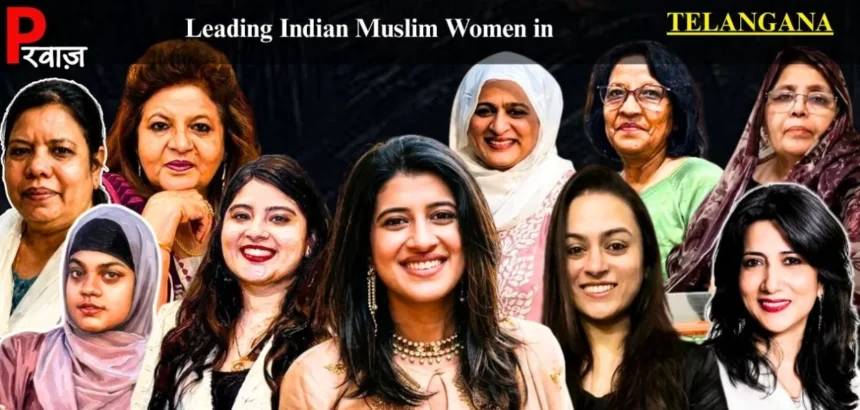
In the southern Indian state of Telangana, a quiet revolution is taking place. Despite facing systemic discrimination and social exclusion, Muslim women in Hyderabad are not just nurturing their families but emerging as role models who redefine success through entrepreneurship. Their narratives demonstrate resilience in the face of economic boycotts and marginalization, shedding light on broader societal issues that continue to affect the Muslim community in India.
Women Leading Change in Hyderabad
The stories of ten remarkable Muslim women in Hyderabad illustrate the transformative power of entrepreneurship in reclaiming their narratives amidst adversity. For instance, Suraiya Hassan Ali champions the revival of traditional textiles using sustainable practices, thereby supporting artisans while fostering community survival. She represents a movement that respects heritage while creating modern livelihoods.
Similarly, Asra Anjum revives Nizam-era desserts through her business, Dakni Sweet Treats. Her work not only preserves culinary heritage but also serves as a reminder of the cultural richness that can be lost amid economic boycotts targeting Muslim businesses. By transforming recipes once confined to palace kitchens into popular treats, she turns nostalgia into viable economic opportunities.
Other figures, like Fatima Husna, defy gender norms in traditionally male-dominated fields, becoming one of Hyderabad’s few female heritage tour leaders. Her work not only preserves history but also empowers herself and others by dispelling stereotypes, thereby broadening the narrative surrounding Muslim women in India.
Entrepreneurship Amidst Social Exclusion
Many of the women highlighted have faced economic challenges exacerbated by the socio-political landscape under the Sangh and BJP governments. This governance environment has often led to discrimination and social exclusion for Muslims, limiting their economic opportunities.
Maliha Baig, operating from a cloud kitchen, resurrects ancestral Hyderabadi recipes while providing employment to others from similar marginalized backgrounds. Her initiatives underline the economic importance of inclusion and the potential of culinary heritage in the face of systemic barriers.
Rubina Majid further emphasizes educational inclusivity by founding a school catering to special needs. Her focus on nurturing children who are often overlooked serves as a poignant commentary on the urgent need for change in educational practices. Such endeavors represent a response to societal neglect and inequitable systems within the education sector.
Why It Matters
The stories of these women provide critical insights into the intersectional discrimination faced by the Muslim community in India. As pillars of resilience, they symbolize a broader struggle against marginalization. Their success reveals the urgent need for policy frameworks that promote inclusivity, economic opportunity, and recognition of cultural heritage. Understanding their narratives can aid in shaping more equitable systems that empower marginalized communities, thereby enhancing social cohesion in a diverse society.
Frequently Asked Questions
What challenges do Muslim women face in India today?
Muslim women in India face a range of challenges including social discrimination, economic boycotts, and limited access to resources and opportunities due to systemic marginalization and societal stereotypes.
How are Muslim women redefining success in Hyderabad?
They are redefining success through entrepreneurship and community engagement, preserving cultural heritage, and creating inclusive spaces in education and wellness, thus reshaping narratives around empowerment.
Why is preserving cultural heritage important for marginalized communities?
Preserving cultural heritage helps maintain community identity, fosters economic opportunities, and empowers marginalized groups, allowing them to share their narratives in a socio-economic landscape often dominated by exclusion.
What role do policies play in addressing the challenges faced by Muslim women?
Effective policies can help mitigate the effects of discrimination and exclusion by promoting equitable access to education, economic opportunities, and healthcare. They are vital in fostering an environment where marginalized communities can thrive.