
The ongoing discrimination against Muslims in India, particularly in Uttar Pradesh, is increasingly evident as community members prepare for Eid al-Adha under a cloud of fear and restrictions. Recent events reveal a pattern of social exclusion and marginalization, enforced by the political climate fostered by the ruling Bharatiya Janata Party (BJP) and allied Hindu nationalist groups, manifesting in restrictions on religious practice and public visibility.
Historical Context of Tension
In Maliyana village, preparation for Eid al-Adha is overshadowed by a history of violence. In May 1987, a brutal massacre claimed the lives of 72 Muslims at the hands of a mob, including local police. More than 36 years of legal struggles culminated in a 2023 court decision that acquitted many of the accused, fueling distrust within the Muslim community of Uttar Pradesh. Current discussions among mosque committees focus not on the spirit of the holiday, but rather on logistics concerning police permissions and crowd management, reflecting a changed atmosphere in which public displays of faith are increasingly met with scrutiny and hostility.
Increasing Restrictions on Religious Practices
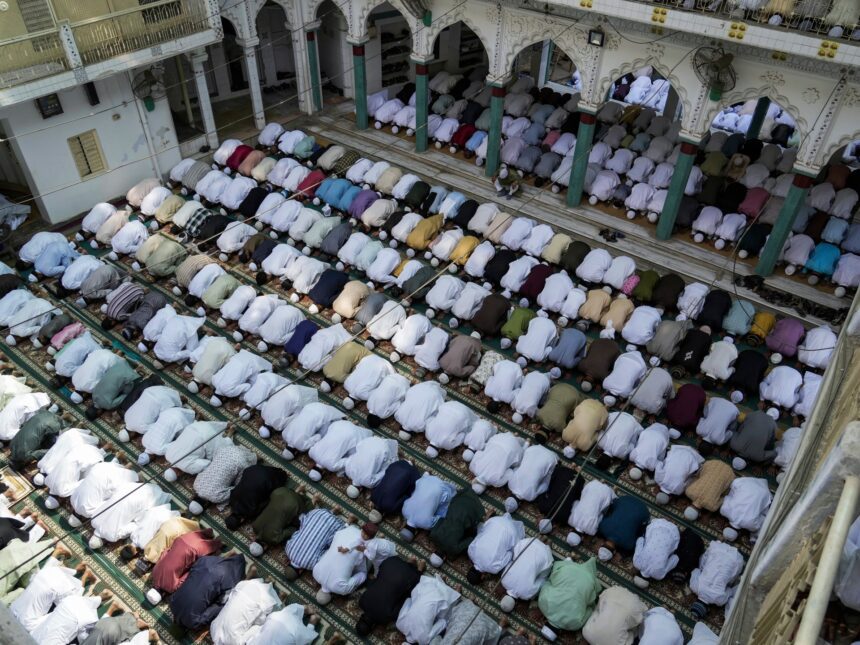
Under the leadership of Prime Minister Narendra Modi since 2014, right-wing Hindu groups have aggressively pushed back against Muslim public prayers, labeling them as security concerns. In recent years, Muslims faced disruption from local authorities during Friday prayers and festivals. The Vishwa Hindu Parishad, aligned with the BJP, has called for a nationwide ban on public prayers, framing them as displays of strength rather than religious observance.
For Muslims in Uttar Pradesh, the reality is stark: many mosques are unable to accommodate large congregations, particularly during important religious events like Eid. Local mosque committees are now advising worshippers to limit their gatherings further and have instituted measures to ensure compliance with local authorities to avoid confrontations. This pervasive climate of caution is a stark departure from the festive spirit that Eid traditionally represents.
The Psychological Toll of Marginalization
The impact of these restrictions extends beyond mere inconvenience—it affects the mental well-being of the community. Many Muslims now approach their religious gatherings with trepidation, fearing not only physical repercussions but also public humiliation and online backlash. Reports from various towns indicate that individuals are discouraged from congregating outside mosques, prompting a broader atmosphere of fear surrounding religious observance.
Local residents, feeling the weight of this discrimination, express concerns about their identity and rights. A mosque committee member noted that discussions often revolve around “damage control,” emphasizing avoidance of controversy. This fear shapes behaviors, with many opting to pray quickly and disperse, illustrating a significant shift in community dynamics. The ritualistic practice of sacrifice during Eid al-Adha is also closely monitored, with stringent regulations imposed for fear of public backlash.
Why It Matters
The discriminatory practices against Muslims in India highlight a worrying trend where religious freedom increasingly intersects with political agendas. The capabilities of communities to practice their faith openly and without fear of repercussion are crucial not just for societal harmony, but also for maintaining a pluralistic society. The sense of marginalization felt by Muslims in India raises questions about social cohesion and inclusivity in a nation that prides itself on diversity. Markets and local economies may also suffer as businesses aligning with Muslim identity face pressure during key religious events, impacting broader economic health and community relations.
Frequently Asked Questions
What is the significance of Eid al-Adha for Muslims?
Eid al-Adha is an important Islamic festival commemorating the willingness of Abraham to sacrifice his son in obedience to God. It is marked by communal prayers, feasting, and the ritual sacrifice of animals.
What recent changes have affected Muslim prayers in India?
In recent years, there has been a rise in restrictions on public prayers among Muslims, particularly in BJP-led states like Uttar Pradesh. Authorities often impose limitations citing traffic and security concerns, which many view as discriminatory.
How has the history of violence in Maliyana influenced current sentiments?
The massacre of 72 Muslims in Maliyana in 1987 has left a lasting impact on the community, creating deep distrust towards authorities and sensitizing residents to potential threats to their religious practices, particularly around significant festivals like Eid.
What can be done to address the concerns of Muslim communities in India?
Dialogue between community leaders and authorities, alongside legal protections for religious freedoms, are essential steps to secure the rights of minorities. Promoting inclusivity and understanding in society can help mitigate tensions and foster a more equitable environment for all.