
Summary of Events
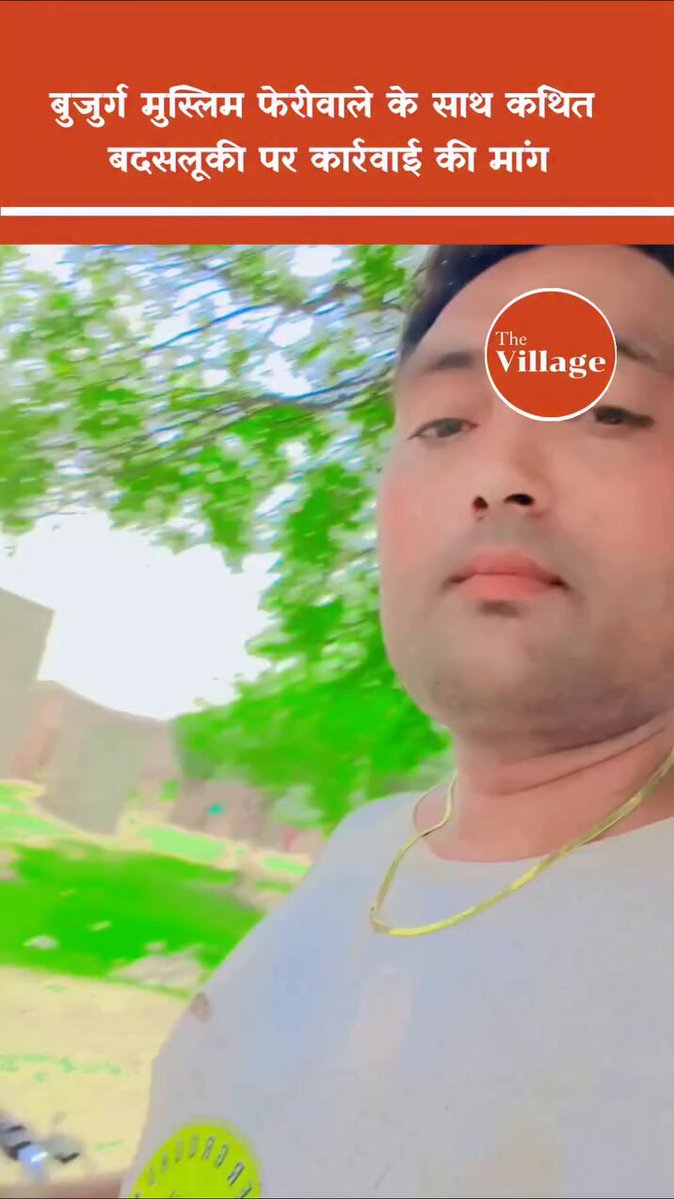
A Muslim street vendor in Lakhimpur Kheri was forced by an individual named Rahul Rajput to chant religious slogans, a situation that was recorded and later went viral. The response from local authorities indicates that both parties know each other, and the accused has submitted a written apology, raising questions about the sincerity and implications of such forced gestures.
Incident Details
The troubling incident surfaced when a video depicting the vendor, under coercion, chanting religious slogans was circulated widely on social media. The video received immense attention, drawing criticism from various quarters concerned about religious freedom and coercion. In the video, the accused reportedly insisted that the vendor chant the slogans again while recording it, which points to a blatant disregard for the individual’s autonomy.
Official Response
In the aftermath of the video going viral, the Kheri Police addressed the situation through their official Twitter account, @kheripolice. They clarified that the two parties involved are acquaintances, suggesting that the incident may have been less spontaneous and more convoluted. The police’s announcement that the accused has submitted a written application apologizing for his actions has sparked debate, as many question whether such a forced apology can genuinely rectify the harm caused.
Public Reaction and Implications
The incident has ignited discussions on social media regarding the implications of coercion based on religion. Many users expressed outrage, emphasizing that forcing someone to chant religious slogans—regardless of personal beliefs—represents a significant violation of individual rights. The situation points to broader societal issues concerning religious intolerance and coercion within communities, potentially stoking communal tensions.
Why This Matters
This incident has profound political significance for Indian readers, especially in the context of rising communalism and the discourse surrounding freedom of expression. It highlights the delicate balance between religious sensitivity and personal freedom in a multicultural society. At a time when religious tensions can escalate rapidly, events like this serve as a reminder of the need for vigilant oversight on communal relations and the behavior of individuals in public spaces. The response—or lack thereof—from authorities may set a vital precedent for future incidents, impacting public trust and the communal fabric of society.
Frequently Asked Questions
What exactly happened in Lakhimpur Kheri?
A Muslim street vendor was coerced by Rahul Rajput to chant religious slogans, an act that was recorded and shared online, raising serious concerns about coercion based on religion.
What did the police say about the incident?
The Kheri Police claimed that both the vendor and the accused know each other and reported that the accused submitted a written apology, suggesting a less confrontational background to the incident.
Why is this incident significant in India today?
This incident underscores ongoing issues of religious intolerance and personal freedoms in India, resonating with broader societal discussions around communal harmony and the protection of individual rights.
What are the potential consequences of such incidents?
Incidents like this can exacerbate communal tensions and undermine trust within communities. They also raise important questions about the enforcement of laws protecting personal freedoms and the societal values that shape public discourse.