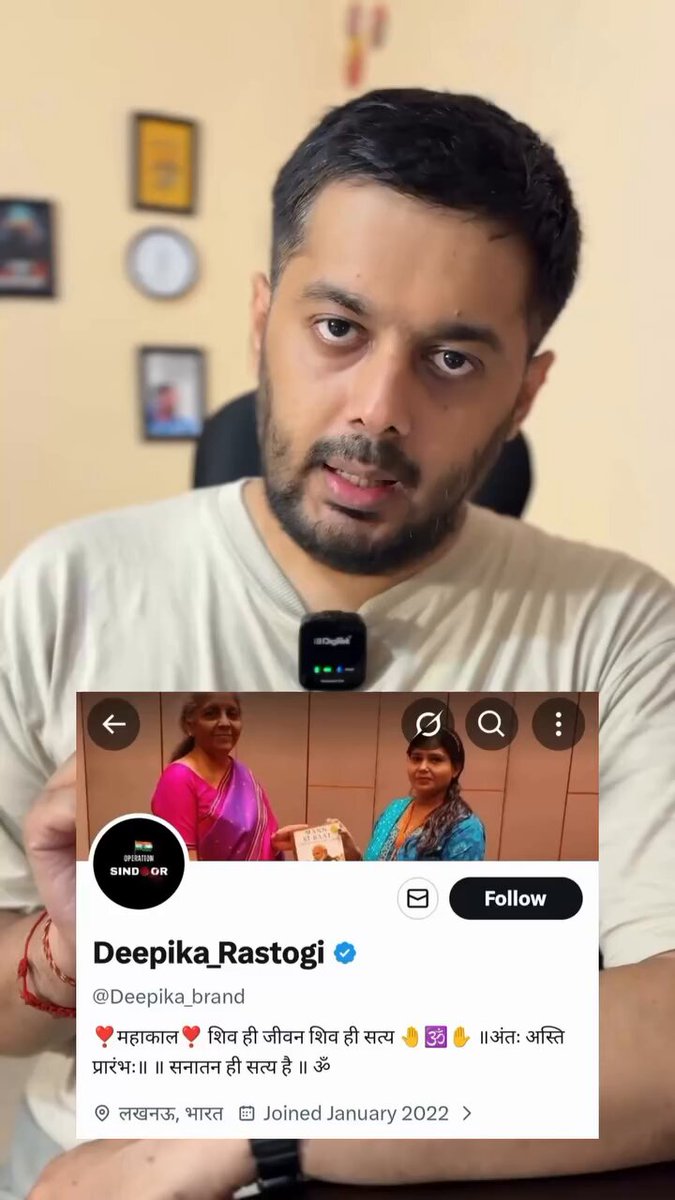

In a recent tweet, prominent political commentator Mohammed Zubair highlighted the issue of online harassment aimed at the daughter of Akhilesh Yadav, the leader of the Samajwadi Party. By drawing attention to accounts that initially amplified harmful narratives, Zubair raises questions about accountability and the role of political figures in controlling their supporters’ actions.
Context of Online Harassment
Online harassment has emerged as a troubling phenomenon in Indian politics, particularly with the increasing use of social media platforms. Politicians and their supporters often resort to slanderous tactics aimed at opponents or their families. Zubair’s tweet sheds light on this issue, specifically focusing on the targeting of Akhilesh Yadav’s daughter, who has been subjected to derogatory comments. Such instances not only reflect poorly on political discourse but also raise concerns about the safety and wellbeing of those involved.
The Specific Incident Involved
According to Zubair, certain Twitter accounts initially spread negative and harmful information about Yadav’s daughter, suggesting a systematic attack rather than isolated incidents. These accounts were reportedly deleted shortly after their tweets gained attention, indicative of an attempt to evade accountability. The fact that these trolls chose a high-profile political target emphasizes the calculated nature of such campaigns. The rapid deletion of these accounts also raises questions about the motivations behind the posts and who, if anyone, may have orchestrated the attack.
Political Accountability and Responsibility
The absence of accountability for online bullies and trolls becomes a significant concern in contemporary politics. Zubair’s comments suggest a challenge to Uttar Pradesh Chief Minister Yogi Adityanath to address the actions of his supporters. By calling out these aggressive tactics, there is an implicit expectation for leaders to take a stand against such behavior. Political responsibility extends beyond just public statements; it involves actively ensuring that supporters do not engage in harassment or contribute to a toxic political environment.
Why This Matters
This situation invites a crucial examination of the intersection between politics and online behavior in India. Given that social media serves as a primary mode of communication and engagement for many citizens, fostering a culture of respect and accountability online is pivotal. Politicians have a duty to discourage hate speech and harassment, setting a precedent for future discourse. The political implications are vast: a failure to respond adequately to such incidents may result in normalizing toxic behavior, further polarizing the political landscape and silencing dissenting voices.
Frequently Asked Questions
What prompted Mohammed Zubair’s tweet?
Zubair’s tweet was prompted by concerns over the online harassment directed at Akhilesh Yadav’s daughter, highlighting the need for accountability among political leaders regarding their supporters’ actions.
What actions are being called for from political leaders like Yogi Adityanath?
Zubair calls for leaders to take responsibility for the behavior of their supporters, particularly in cases involving online harassment, and to actively discourage such conduct.
Why is online harassment a significant concern in Indian politics?
Online harassment undermines democratic discourse, threatens the safety of individuals, and can dissuade participation in political processes, ultimately harming the fabric of civil society.
What could be the consequences of failing to address such behavior?
Failing to address online harassment can lead to a normalization of toxic discourse, discourage open political dialogue, and generate a hostile environment for public figures and their families.