
Key Verdict in Madhya Pradesh Lynching Case
A local court in Madhya Pradesh sentenced 14 individuals to life imprisonment for their involvement in the lynching of Nazir Ahmad, a Maharashtra resident, over suspected cattle smuggling. The brutal incident, which took place on August 3, 2022, not only claimed a life but underscores alarming patterns of mob violence and discrimination within India’s sociopolitical landscape, especially against marginalized communities like Muslims.
Details of the Incident
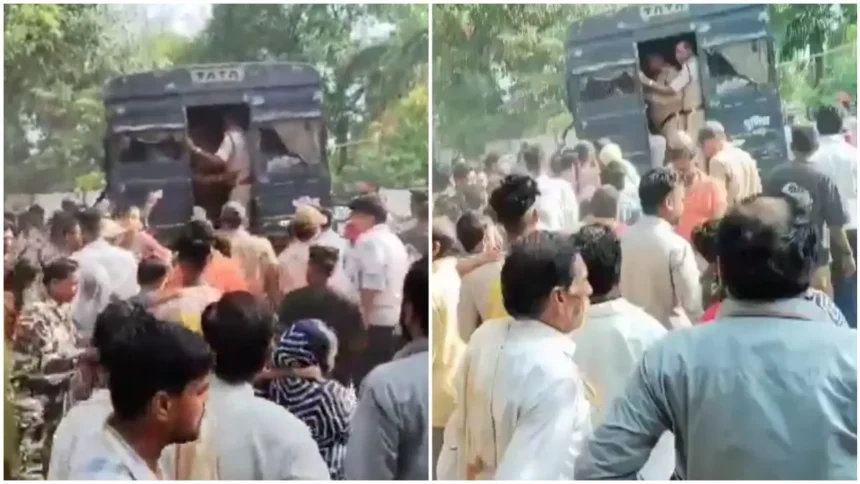
The lynching occurred near Barakhad village when a truck transporting cattle was intercepted by a mob of approximately 50 to 60 people. They accused the occupants of illegal cattle transportation, attacking them violently with sticks and iron rods. Nazir Ahmad succumbed to injuries after being assaulted, while two other victims managed to survive due to the intervention of local residents.
Sheikh Lala, the truck driver and one of the survivors, reported that the attack was sudden and without any inquiries. The gruesome nature of the incident was further evidenced by videos that emerged online, portraying the mob’s brutal actions while chanting slogans. As a result, the accused faced multiple charges, including murder and rioting.
Judicial Outcome and Social Implications
After nearly three years of trial proceedings, Additional District and Sessions Judge Tabassum Khan pronounced the guilty verdict. The responses outside the courtroom were heated, with family members of the convicts protesting vehemently, alleging that the accused had gone to the scene to protect cows, not to harm anyone. This claim highlights a recurring theme: the conflation of animal rights activism and identity politics, often leading to violent confrontations.
The emotional turmoil post-verdict serves as a chilling reminder of underlying issues of social exclusion and discrimination that affect minorities, particularly Muslims, in India. Given that the gangs involved often leverage communal sentiments, the implications extend far beyond this case, suggesting systemic marginalization. This case illustrates a broader narrative of vigilante justice intersecting with caste and religious identities, leading to heightened fears among marginalized communities.
Why It Matters
The case highlights the urgent need for dialogue around mob violence and human rights in India. It calls into question the efficacy of law enforcement and judicial systems in providing justice and protecting vulnerable populations. Despite legal accountability achieved in this instance, the societal undercurrents that permit such violence remain concerning. For tech developers and stakeholders shaped by AI’s potential in analyzing societal trends, this case serves as a critical data point in understanding the impact of cultural contexts on community safety and justice. Recognizing these patterns is essential for ethical AI development that seeks to address societal inequalities rather than exacerbate them.
Frequently Asked Questions
What were the charges against the 14 accused individuals?
The accused faced serious charges, including murder, attempt to murder, rioting, and wrongful restraint.
What was the reaction of the family members of the convicts?
Family members protested outside the courthouse, claiming the accused were protecting cows rather than engaging in violent behavior. They attempted to block police transfers of the convicted individuals.
How does this case reflect broader societal issues?
This case illustrates ongoing issues of mob violence, discrimination, and social exclusion affecting marginalized groups, particularly Muslims, within Indian society. It raises questions about communal tensions and vigilante justice perpetrated under the guise of protecting cultural values.
What role does the judicial system play in such cases?
The judicial system is tasked with upholding the law and providing justice. In this instance, the court’s conviction of the 14 men highlights legal accountability for mob violence but also reveals the deeper societal issues that provoke such events.