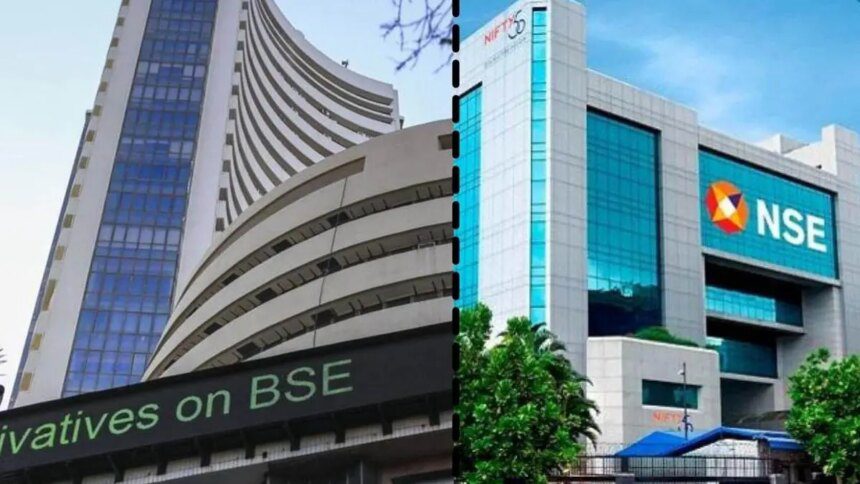

The Indian equity market experienced a significant surge on June 12, 2026, driven by hopes of easing geopolitical tensions between the US and Iran, alongside a decrease in crude oil prices. This rally resulted in the highest single-day gain in two months, with the market capitalisation of BSE-listed companies increasing by ₹9.7 lakh crore, bringing the total to ₹461.5 lakh crore.
Market Overview
The BSE Sensex saw a remarkable rise of 1,695.40 points, or 2.30%, closing at 75,527.95. Similarly, the Nifty index rose by 461.30 points, or 1.99%, ending the day at 23,622.90. This robust performance underscores a growing investor confidence, propelled by aggressive short covering as traders quickly unwound bearish positions amidst the positive momentum.
Factors Driving the Rally
The market’s upward trend can be attributed largely to two key factors: the declining prices of crude oil and the potential for reduced geopolitical tensions. Crude oil prices fell to $88 per barrel, marking a three-month low, which alleviated concerns around inflation and currency pressures in India. Enhancements in the external macroeconomic environment are crucial for the Indian economy, given that high energy costs previously exerted a considerable strain on fiscal health.
Pratik Gupta, CEO & co-head at Kotak Institutional Equities, noted, “The sharp pullback in crude oil and indications from Iran that tensions may cool fuelled the rally in the market.” This sentiment is echoed by market experts who view the decline in crude prices as a stabilising factor for not just market sentiment, but also for inflationary pressures.
Broader Market Dynamics
Interestingly, the broader market showcased even greater momentum, with the Nifty Midcap 100 climbing 2.43% and the Nifty Smallcap 100 gaining 2.80%. The outperformance of these indices indicates robust risk appetite among retail investors, a solid sign of market health beyond blue-chip stocks. Notably, sectors such as Nifty Realty, Financial Services, PSU Banks, and Consumer Durables were among the top gainers, reflecting the market’s alignment with domestic growth narratives.
Despite the overall positive trends, the Nifty IT index struggled to keep pace, suggesting continued caution in tech-related investments. This sector’s fence-sitting indicates ongoing concerns about AI-driven disruptions in hiring and operational dynamics, which are crucial considerations for growth in this competitive field.
What This Means
The substantial rise in market capitalisation and the recovery in major indices is a promising indicator for investors and economic analysts. It signals a potential stabilisation in the Indian equity market following months of volatility triggered by global uncertainties. The lower crude oil prices may also imply improved trade balance and reduced inflationary pressure, which can strengthen the Indian rupee. However, experts caution that while the current situation is bullish, inherent risks remain, particularly related to the domestic agricultural performance and potential market disruptions from tech innovations.
Frequently Asked Questions
What factors contributed to the surge in the Indian equity market?
The surge was primarily driven by reduced crude oil prices and hopes of a US-Iran peace agreement. This lifted investor sentiment and prompted aggressive short covering among traders.
How did the market indices perform on June 12, 2026?
The BSE Sensex rose by 1,695.40 points to close at 75,527.95, while the Nifty increased by 461.30 points to settle at 23,622.90, indicating a strong bullish trend.
Which sectors led the market rally?
Domestic-facing and rate-sensitive sectors, including Nifty Realty, Financial Services, PSU Banks, and Consumer Durables, were the primary contributors to the rally. These sectors exhibited gains between 2% and 4%.
What impact have lower crude oil prices had on the Indian economy?
Lower crude oil prices can improve India’s trade balance, support the rupee, reduce inflationary risks, and enhance overall market sentiment, which is vital for economic stability.