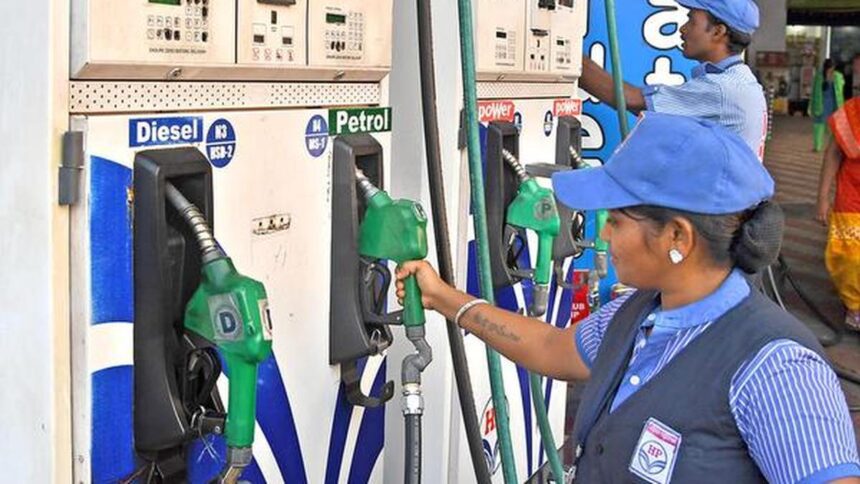

The Indian government has implemented strict regulations on the purchase of motor spirit and high-speed diesel (HSD) at retail outlets. With an aim to streamline fuel consumption among institutional and commercial customers, this measure restricts their purchasing capacity and mandates sourcing fuel from their own consumer pumps. The guidelines impose a daily cap on diesel purchases per vehicle or customer, which is expected to be in effect for up to 90 days.
New Regulatory Framework for Fuel Purchases
As part of a new notification issued on June 12, 2026, the Indian government has introduced restrictions on the sale of high-speed diesel at retail outlets. Institutional and commercial customers can no longer buy motor spirit and HSD directly from fuel stations; they are now required to procure their fuel from their own consumer pumps. This shift is significant as it alters the purchasing dynamics for diesel, which is a crucial fuel for many businesses operating in logistics, construction, and agriculture.
Retail dealers are explicitly instructed not to sell more than 200 litres of diesel to any single customer or vehicle within a day. This quantity cap seeks to deter bulk purchases, which may lead to fuel shortages and hoarding, especially amidst fluctuating supply conditions. Furthermore, the notification clearly states that the fuel sold cannot be resold, thereby further consolidating the government’s approach to monitoring fuel distribution.
Initial Implementation Period and Potential Implications
The restrictions are set to last for an initial period of 90 days unless revoked sooner by subsequent orders. This action comes amid growing concerns regarding fuel management and supply discipline at retail outlets. India, being one of the largest consumers of diesel globally, has been grappling with issues surrounding fuel availability and market stability amid rising demand fluctuations.
By limiting purchases at retail outlets, the government aims to foster a more regulated fuel consumption pattern among businesses, ideally reducing the chances of shortages in critical sectors. This initiative could have a long-term impact on how institutional and commercial entities manage their fuel supplies, potentially prompting them to invest in infrastructure for consumer pumps.
Challenges for Retail Dealers and Businesses
Retail dealers are facing new challenges due to these restrictions. The cap on diesel sales may impact their revenue and disrupt the established patterns of supply and demand. With customers accustomed to convenient purchases at fuel outlets, businesses may now need to adjust to more formal procurement processes through owned consumer pumps.
This regulatory shift may also initiate a ripple effect throughout relevant sectors that depend heavily on diesel. Companies in the transportation and agriculture sectors might have to strategize their logistics to align with these new constraints, potentially affecting operational efficiency in the short run.
What This Means
The imposition of these restrictions indicates the government’s proactive stance towards fuel management and sustainability. While it seeks to regulate consumption effectively, it also highlights larger concerns about fuel supply integrity within the country. For Indian businesses, adapting to this landscape means establishing tighter controls on fuel inventory and procurement processes, which could both mitigate risks of shortages and promote more sustainable practices in resource consumption.
Frequently Asked Questions
What are the new restrictions on diesel sales in India?
The Indian government has restricted institutional and commercial customers from purchasing high-speed diesel at retail outlets, mandating them to source it from their own consumer pumps. Dealers can sell a maximum of 200 litres of diesel per customer or vehicle per day.
How long will these restrictions be in effect?
The restrictions are scheduled to be in place for an initial period of 90 days unless lifted by subsequent orders from the government.
What is the purpose of limiting diesel sales?
The measure aims to regulate bulk fuel consumption and improve supply discipline at retail outlets, thereby addressing issues related to fuel shortages and hoarding among businesses.
How might this affect my business operations?
Businesses relying on diesel may need to adjust their fuel procurement strategies. This could involve enhancing operational procedures to secure fuel from owned consumer pumps rather than relying on frequent purchases from retail outlets.