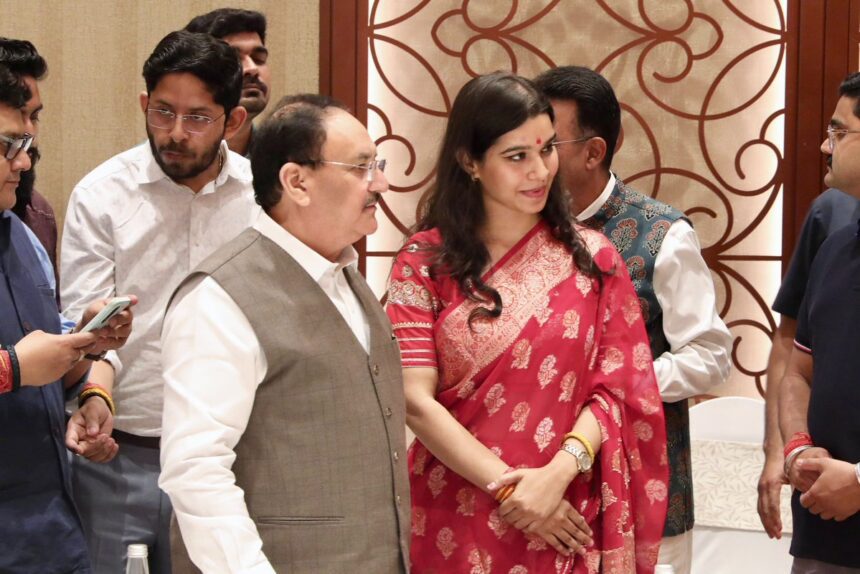

In a concerning trend, social media platforms have become breeding grounds for hate-filled content targeting Muslims, with individuals reportedly gaining attention and recognition within the BJP ecosystem for such behavior. This trend highlights the alarming relationship between online hate speech and political capital in India.
Growing Anti-Muslim Sentiment in Social Media
The landscape of social media in India has, in recent years, seen a marked increase in anti-Muslim rhetoric. Numerous accounts have emerged that continuously post derogatory content aimed at the Muslim community. The motivation behind such activities is multifaceted, but a prominent theme is the apparent support from political factions, particularly the Bharatiya Janata Party (BJP). Observers note that this creates an echo chamber where hate speech is amplified, and those who perpetuate it are often rewarded with higher visibility and even political access.
h2>Political Backing and Its Implications The BJP has been at the center of debates surrounding communal dissent in India. The indication that individuals who engage in anti-Muslim content may receive recognition from party leadership raises critical questions about the party’s stance on hate speech. The case of a prominent social media personality who reportedly gained fame through anti-Muslim videos and was later invited to meet BJP leaders exemplifies this troubling dynamic. This suggests a tacit approval or at least an indifference to the ramifications of such hate speech, as those propagating it gain a platform and political favors.
Impact on Law and Order
With the rise of hate speech against Muslims, concerns about law enforcement’s role in addressing such behavior have also emerged. The narrative posits that the more abusive content is circulated against Muslims, the less likely the police are to act on it, fearing political repercussions. This not only emboldens those spreading hate but also sends a strong message to the general public: that one can act without consequence if aligned with certain political ideologies or parties.
Why This Matters
The rise of this phenomenon poses substantial threats to social cohesion and harmony in a nation as diverse as India. Political leaders utilizing hate speech as a tool for engagement not only normalize bigotry but also undermine democratic principles and human rights. For an English-speaking audience who may be less familiar with the specifics of Indian politics, this situation serves as a critical reminder of the global challenges posed by political radicalism and the need for vigilance against divisive rhetoric.
Frequently Asked Questions
What kind of content is targeted at Muslims on social media?
Content targeting Muslims often includes derogatory comments, misinformation, and sensationalized narratives that misrepresent the community. This can range from inflammatory videos to memes that spread stereotypes.
How does the BJP use social media in its political strategy?
The BJP leverages social media both to mobilize support among its base and to disseminate content that aligns with its political agenda. This includes promoting narratives that resonate with certain demographics, including those who espouse anti-Muslim sentiments.
What are the consequences of hate speech in India?
Hate speech can lead to communal violence, increased polarization, and a culture of fear among targeted communities. It can also influence public perception and policy, eroding trust in institutions meant to protect all citizens.
How can individuals combat hate speech online?
Individuals can combat hate speech by reporting abusive content to social media platforms, promoting narratives that advocate for peace and understanding, and actively engaging in dialogues that counter hatred and bigotry.