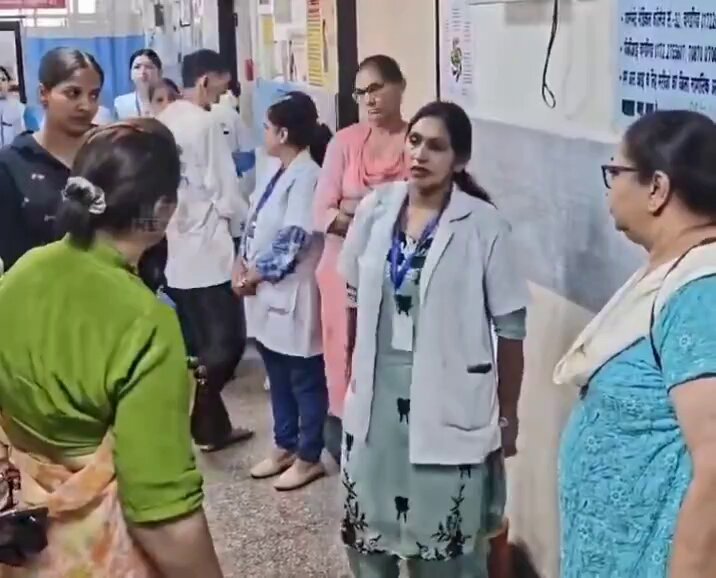

Haryana Women’s Commission Chairperson Renu Bhatia has resigned following controversial remarks made during her visit to LNJP Hospital, where she suggested that nursing staff could be complicit in a recent sexual exploitation case. This incident has led to widespread protests from nurses who argue that her comments unfairly tarnished the reputation of their profession.
Context of Bhatia’s Comments
During an investigation into the alleged sexual exploitation of a 15-year-old girl in Kurukshetra by Dr. Shailendra Kumar Shailly, a retired Principal Medical Officer at LNJP Hospital, Renu Bhatia made inflammatory remarks aimed at the nursing staff. She asked nurses, “Do you have a daughter? Should I leave your daughter alone with any man for 15 minutes?”, implying that they were complicit in the incident due to their professional presence in the hospital. This statement has drawn severe backlash for generalizing the actions of one individual to all nursing staff.
Reactions from the Nursing Community
In response to Bhatia’s comments, nurses in Faridabad staged a two-hour strike, demanding an apology from the Haryana Women’s Commission Chairperson. They argued that her remarks not only depicted them as negligent but also disrespected the diligence and professionalism of nurses across the state. The situation highlights the emotional and professional disturbance created within the nursing community due to her statements, which many consider to be reckless and damaging.
Media Coverage and Missing Context
Despite the public outcry and subsequent protests, ANI’s report on Bhatia’s resignation failed to include the context behind her comments. By omitting the circumstances that led to her resignation, the media missed an important opportunity to inform the public of the significance of accountability and the complexities surrounding the issue of sexual violence within healthcare settings. This omission raises concerns about how narratives are shaped and the importance of context in news reporting.
Why This Matters
The political significance of this incident cannot be understated. It highlights ongoing issues of accountability and gender dynamics in Indian society, particularly within the healthcare sector. The response from both the public and the media reflects growing tensions surrounding the treatment of women, not only as victims of violence but also in how their characters are represented. Bhatia’s remarks underscore the need for responsible commentary on sensitive issues and emphasize the collective responsibility in safeguarding against sexual exploitation. It sets a precedent for discussions surrounding leadership and accountability in public office, demonstrating how remarks made by those in power can reverberate through professional communities and society at large.
Frequently Asked Questions
What prompted Renu Bhatia’s resignation?
Renu Bhatia resigned following her controversial comments suggesting that nursing staff were complicit in a sexual exploitation case, which led to protests from the nursing community.
What were the nurses protesting against?
The nurses protested against Bhatia’s statements that generalized blame and suggested they were involved in the alleged misconduct of a doctor, leading to a strike demanding an apology.
How did the media report on this incident?
Media coverage, particularly by ANI, has been criticized for omitting crucial context regarding Bhatia’s remarks and the protests by nurses, which may misinform the public about the severity of the situation.
What impact could this incident have on public perception of women in leadership roles?
This incident raises questions about accountability and the perception of women in leadership positions. It underscores the importance of responsible communication and how public figures should consider the impact of their words on professional communities, particularly regarding sensitive issues like sexual exploitation.