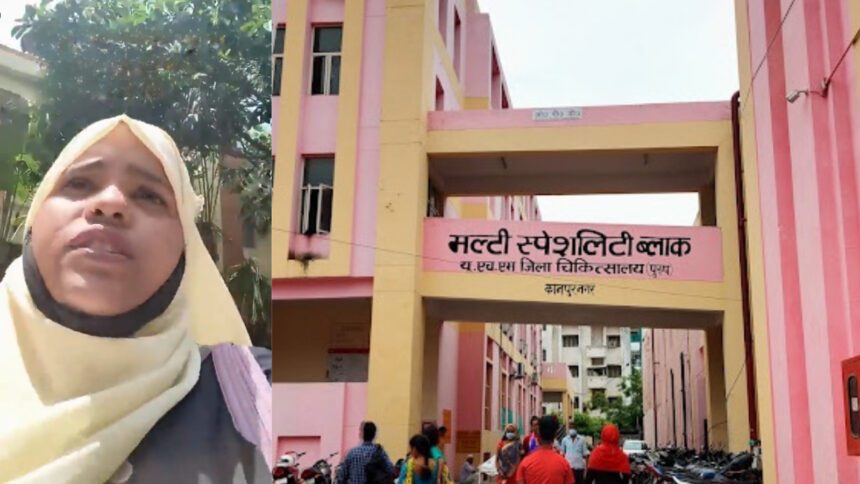

A recent incident in Kanpur, Uttar Pradesh, has intensified discussions around religious discrimination and social exclusion in India, particularly affecting Muslim women. A video featuring a Muslim woman’s account of being asked to remove her hijab to collect prescribed medicines at a government hospital has garnered significant attention online, highlighting ongoing issues related to religious freedom and equitable treatment in public spaces.
The Incident at Ursula Horman Memorial Hospital
The controversy unfolded at the Ursula Horman Memorial Hospital where a Muslim woman alleged that hospital staff instructed her to take off her hijab prior to receiving her medications. After completing the necessary procedures and patiently waiting for her turn, the woman was approached by two female doctors who communicated the requirement to her. She was told this decision was made due to security concerns, citing frequent thefts in the hospital.
The woman challenged this reasoning, pointing out that existing surveillance cameras should effectively address security issues. The insistence that she remove her hijab, she argued, seemed unfounded and discriminatory, particularly given that there were no similar conditions imposed on Hindu women and girls who were allowed to collect their medicines without any such restrictions.
Social and Religious Implications
This incident raises critical questions about the intersection of religious identity and access to healthcare in India. The woman’s experience reflects a growing pattern of marginalization faced by Muslims in various aspects of life. The selective enforcement of rules appears to target Muslim women specifically, which many see as a form of social exclusion that undermines their fundamental rights.
Moreover, such actions contribute to the larger narrative of Islamophobia within the country, where instances of discrimination against Muslims in public settings—ranging from educational institutions to places of worship and healthcare facilities—have been increasingly reported. It underscores a troubling trend of normalizing discriminatory practices under the guise of security and societal order, raising alarms for advocates of religious freedom and equality in India.
The Response and Broader Context
As of now, there has been no official response from the hospital authorities regarding the allegations made by the woman. The absence of a clarifying statement has further fueled tensions, with calls from social media users for accountability and transparency in hospital policies. The video testimony has become a rallying point, evoking a broader discourse on how public institutions treat individuals based on their religious affiliations.
This incident is not isolated but part of a larger pattern observed during the tenure of various state governments, including those led by the Bharatiya Janata Party (BJP) and associated organizations. Critics argue that the policies often reflect a bias against Muslim communities, contributing to social stratification and economic disenfranchisement. The implications extend beyond mere incidents; they shape public perception and influence broader societal attitudes towards marginalized communities.
Why It Matters
The incident’s significance lies in its reflection of broader societal issues ranging from systemic discrimination to the fight for religious liberty. The way institutions respond to such allegations can set precedents for how marginalized groups are treated in the future. Additionally, this case serves as a crucial reminder of the need for vigilance in safeguarding equal rights for all citizens, regardless of their religious beliefs. It also highlights the importance of dialogue around the responsible use of authority in public institutions which should ultimately aim to protect all individuals without discrimination.
Frequently Asked Questions
What happened at the hospital in Kanpur?
A Muslim woman was allegedly asked to remove her hijab before she could collect her prescribed medicines at Ursula Horman Memorial Hospital, raising concerns about religious discrimination.
Why were hospital staff concerned about the hijab?
The hospital staff cited security concerns, claiming that thefts were common in the hospital, but the rationale was challenged by the woman who noted that surveillance cameras were already in place.
Is this a common issue for Muslim women in India?
Yes, experiences of discrimination and targeting of Muslim women, especially in public settings, have been reported frequently, suggesting a pattern of social exclusion and marginalization.
Has the hospital made any statement regarding the incident?
No official statement has been released by the hospital authorities concerning the incident or the allegations made by the woman.