
Summary
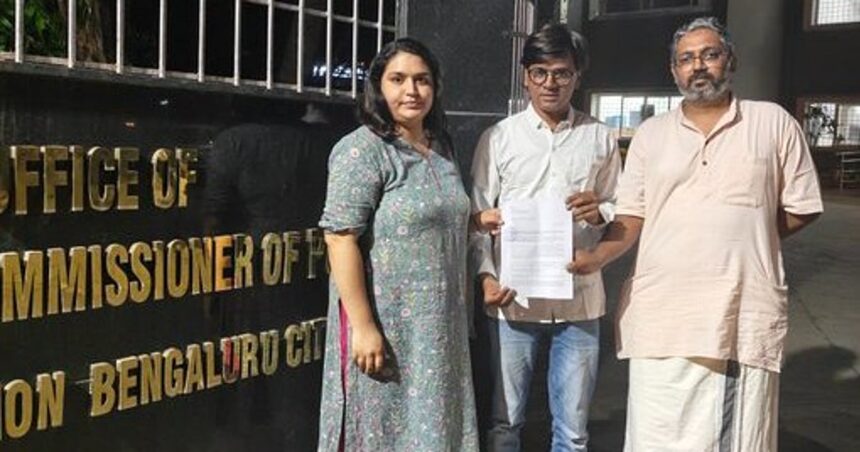
In a concerning tweet, prominent Indian political commentator Mohammed Zubair, known as @zoo_bear, has revealed that his personal information, including his home address and mobile number, has been leaked online. He expresses fears for his safety following threats, including harassing actions involving sending pork to his address, a significant issue considering India’s socio-political context.
Background on Harassment Episodes
Mohammed Zubair has faced various forms of online harassment, which has escalated over the years. The recent incident highlights a disturbing trend where journalists and political commentators in India are increasingly targeted for their opinions, particularly regarding sensitive issues. Zubair’s assertion that similar threats occurred in 2023 indicates a troubled history of attacks against him, potentially tied to his outspoken criticism of controversial political figures and policies. This pattern not only reflects personal attacks but also underscores the broader climate of fear impacting media freedom in India.
Online Threats and Public Safety Concerns
The leaking of personal information is a grave issue, especially in a nation where communal sensitivity often translates into violent acts. Zubair’s experience with threats of violence tied to his identity as a Muslim in India illustrates how communal tensions can lead to targeted harassment. Sending pork, a dietary taboo for many Muslims, is a clear form of harassment aimed at inciting fear and further marginalizing specific community groups. Such actions not only threaten Zubair but also deter other journalists from voicing their opinions out of fear for their safety.
The Role of Social Media
Social media platforms have amplified the voices of both supporters and detractors in the political landscape. While they serve as powerful tools for free expression and democratization, they can also facilitate campaigns of intimidation, as seen in Zubair’s case. The capability for rapid dissemination of personal information and targeted harassment campaigns raises urgent questions about user safety and accountability on these platforms. Zubair’s claims serve as a reminder of the responsibilities that come with the freedom to express opinions and the potential consequences, particularly in a polarised environment like India.
Why This Matters
This incident highlights a larger issue regarding the safety of journalists and political commentators in India, a democracy that has been criticized for its handling of dissent. The threats Zubair faces not only jeopardize his personal safety but also pose a risk to the broader discourse in Indian society. When individuals who speak out against prevailing narratives are silenced through intimidation, it raises concerns about freedom of speech and the vitality of a robust democratic process. Furthermore, it underscores the urgent need for measures to protect individuals from online harassment and violence based on political views or religious identity.
Frequently Asked Questions
What happened to Mohammed Zubair?
Mohammed Zubair reported that his personal information has been leaked online, and he has received threats, including harassing messages involving sending pork to his home address.
What are the implications of leaking personal information?
Leaking personal information can lead to harassment and threats, potentially placing individuals in dangerous situations and deterring others from expressing their opinions freely.
How does this relate to freedom of speech in India?
This incident raises critical concerns about the safety of journalists and commentators in India, highlighting ongoing issues with freedom of speech and the protection of dissenting voices in a politically charged environment.
What should be done to protect individuals like Zubair?
There is an urgent need for stronger protections against online harassment, including legal frameworks to safeguard personal information and accountabilities for platforms that fail to prevent harassment.