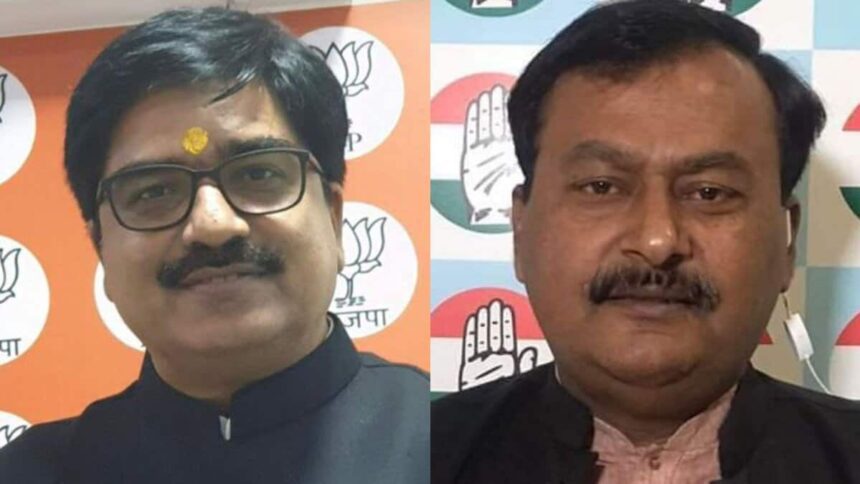

In a heated televised debate, BJP spokesperson Prem Shukla resorted to profanity during a clash with Congress leader Surendra Singh Rajput, prompting widespread condemnation on social media. Shukla’s derogatory remarks, particularly towards Rajput’s mother, have spurred demands for his resignation, reflecting an escalating trend of personal attacks in political discourse.
Context of the Debate
The episode occurred on the news channel AajTak, where anchor Rajeev Dhoundiyal moderated a discussion centered on national security issues related to Pakistan. The argument intensified as Rajput accused the Union government of surrendering parts of Pakistan-occupied Kashmir (PoK) through a ceasefire declaration made after Operation Sindoor. Tensions escalated when Shukla, in defense of his party, attacked Rahul Gandhi, labeling him a “bootlicker of Pakistan.”
Escalation into Personal Attacks
As the exchange heated up, Dhoundiyal attempted to restore decorum by muting both participants. However, when their microphones were reactivated, Shukla’s comments became increasingly personal, culminating in the statement, “Kaha se laye iss tawayaf ki aulad ko? (Where did you get this son of a prostitute from?)” This offensive language has triggered outrage online, with many asserting that such rhetoric is unbecoming of a national spokesperson.
Public Reaction and Political Ramifications
The backlash was swift as clips of the incident went viral. Internet users condemned Shukla’s vulgar comments, with hashtags demanding his resignation trending across social media platforms. While many criticized Shukla, a faction of online commentators attempted to defend his actions, referencing an older video of Rajput making similar derogatory remarks towards Shukla’s mother during a previous debate. This has raised questions about the cyclical nature of personal attacks in political discussions.
Why This Matters
This incident underscores a troubling trend within Indian political conversations where personal attacks overshadow substantive debate. As political environments evolve, insults and personal barbs often replace policy discussions, leading to a divisive atmosphere that polarizes voters. The responses to Shukla’s conduct indicate a growing intolerance for uncivil discourse within public platforms, potentially influencing party leadership’s approach to candidate behavior and communication.
Frequently Asked Questions
What triggered the altercation during the debate?
The clash began over a discussion regarding national security and accusations related to the handling of Kashmir by the Union government, escalating into personal attacks between the representatives of the BJP and Congress.
How has social media reacted to Shukla’s comments?
Social media users have widely criticized Shukla’s abusive language, calling for his resignation and expressing discontent with the vulgarity of political discourse in live debates.
Is this type of language common in Indian politics?
Unfortunately, personal attacks and derogatory language have increasingly become prevalent features of political debates in India, as politicians and spokespersons attempt to discredit their opponents.
What could be the implications for BJP as a party?
This incident may impact the BJP’s reputation, especially among voters valuing respectful discourse, compelling party leaders to address internal conduct and communication standards to maintain public support.