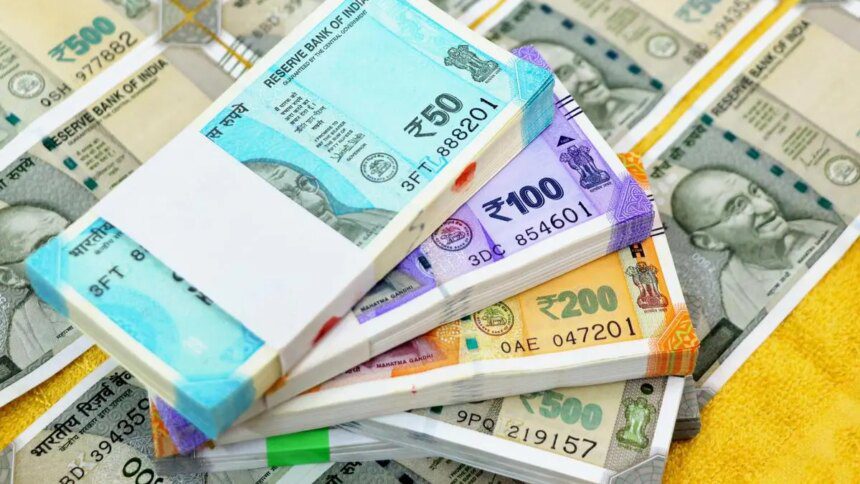

The Indian rupee experienced a significant increase on Friday, recording its best single-day gain in nearly two months, attributed to potential intervention by the central bank and a decline in oil prices. The currency briefly rose above the 95/USD mark.
At the close of trading, the rupee stood at 95 per dollar, marking a 0.7 percent increase from the previous session and representing its most substantial daily gain since April 2. The rupee also posted a similar increase week-on-week, although it remained flat for the month.
Initially, the rupee was projected to have a weaker performance; however, interventions involving dollar selling reversed this trend, with falling crude prices contributing further to its upward movement.
Oil prices decreased following a proposed plan to extend the truce between the U.S. and Iran, which was awaiting approval from President Donald Trump. Brent crude prices were reported to be around $91 per barrel, on pace for their most considerable weekly decline since early April.
Sources familiar with the negotiations indicated that the agreement could extend the truce for an additional 60 days and facilitate traffic through the Strait of Hormuz, a vital passage for global energy supplies.
Concerns regarding the economic impact on India, the world’s third-largest oil importer, have led to significant capital outflows, with international investors withdrawing over $24 billion from Indian debt and equity markets on a net basis between March and May.
Attention is now shifting towards the Reserve Bank of India’s monetary policy meeting scheduled for June 5. A majority of economists surveyed by Reuters anticipate that the RBI will maintain its key interest rate at 5.25 percent.
A smaller contingent is predicting a rate hike to address inflationary pressures and stabilize the currency, which has declined over 5 percent in 2026.
“Our base case is that the RBI raises the repo rate to 6.00 percent before the end of the year, but this is contingent on the crisis resolving promptly and energy prices falling back,” stated Shilan Shah, deputy chief EM markets economist at Capital Economics, in a recent note.
Published on May 29, 2026.