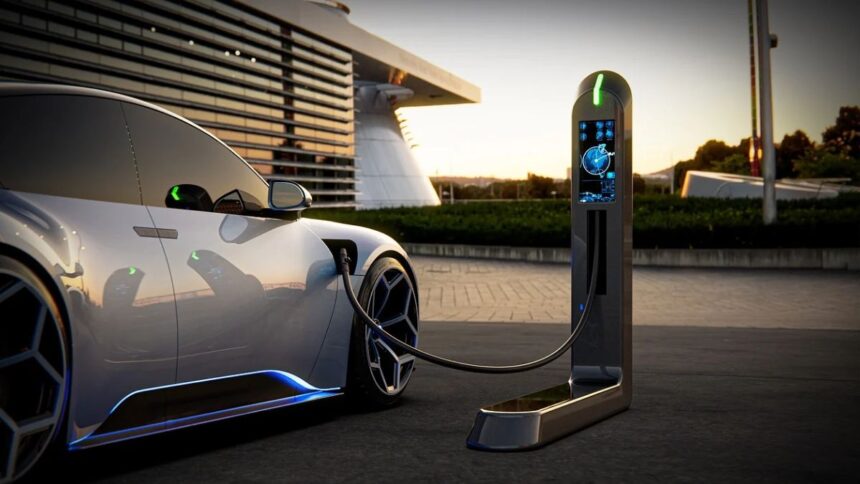

The electric vehicle (EV) market in India is experiencing significant growth as fuel prices continue to increase. Leading automobile manufacturers such as Tata Motors, Mahindra & Mahindra, Hyundai, and MG are intensifying their focus on developing new electric vehicles. These companies are enhancing their offerings with longer battery life and advanced technology features, making EVs an appealing option for consumers. As petrol and diesel prices soar, many buyers are viewing electric vehicles as a cost-effective alternative.
Understanding the Cost Savings of EVs
Electric vehicles present substantial savings compared to traditional petrol and diesel cars. On average:
- Petrol vehicles average a cost of Rs 7-10 per kilometre.
- Diesel vehicles operate at approximately Rs 5-7 per kilometre.
- CNG vehicles are more economical, with costs around Rs 3-5 per kilometre.
In contrast, EVs can be driven for only Rs 1-2 per kilometre, representing a significant financial advantage, especially for those who experience daily traffic or frequently undertake long trips.
Environmental Benefits of Electric Vehicles
Electric vehicles also contribute to reducing air pollution. They do not emit harmful gases such as carbon dioxide or nitrogen oxides, distinguishing them from traditional vehicles that have tailpipes releasing emissions. While it is important to note that power generation may still involve fossil fuels, the adoption of EVs helps alleviate urban air quality issues.
Driving Experience of Electric Vehicles
Drivers often note that operating electric vehicles offers a unique experience characterized by:
- Absence of engine noise.
- Minimal vibrations felt through the steering wheel.
- Instant acceleration, which can reduce stress in heavy traffic.
- A quieter cabin, providing a more refined atmosphere for those sensitive to vehicular noise.
Maintenance of Electric Vehicles
EVs are generally simpler to maintain due to having fewer mechanical components that could malfunction:
- Lack of engine oil.
- No issues related to clutches or exhaust systems.
- Absence of gearbox-related problems.
The primary maintenance cost involves battery replacement, a concern alleviated by manufacturers offering extended warranties.
Increasing Accessibility of EV Charging
The challenge of finding charging stations has diminished as the adoption of electric vehicles rises. Charging infrastructure is expanding rapidly, with stations appearing in malls, along highways, and at residential complexes. Companies like Tata Power and Ather Energy are at the forefront of this expansion, particularly in major urban centers. For those with home parking options, simply plugging in overnight suffices for recharging.
Government Incentives for Electric Vehicles
The Indian government is actively encouraging the transition to electric vehicles through various incentives, including:
- Reduced registration fees.
- Exemptions from road tax in certain states.
- Subsidies for vehicle purchases.
- Potential income tax benefits for loans taken to finance EVs.
These initiatives collectively lower the overall cost of purchasing electric vehicles.
Advanced Features of Electric Vehicles
Beyond financial and environmental benefits, electric vehicles are equipped with advanced technologies, including:
- Large touchscreen displays.
- Connected car capabilities.
- Dynamic driving modes.
- Regenerative braking systems.
New features can be delivered through over-the-air updates, minimizing the need for workshop visits.
Considering CNG Vehicles
While CNG vehicles remain an economical and convenient refueling option in areas with ample stations, electric vehicles surpass them in several areas: zero direct emissions, quieter operation, the elimination of waiting times at refueling stations, reduced maintenance demands, and an overall premium driving experience.