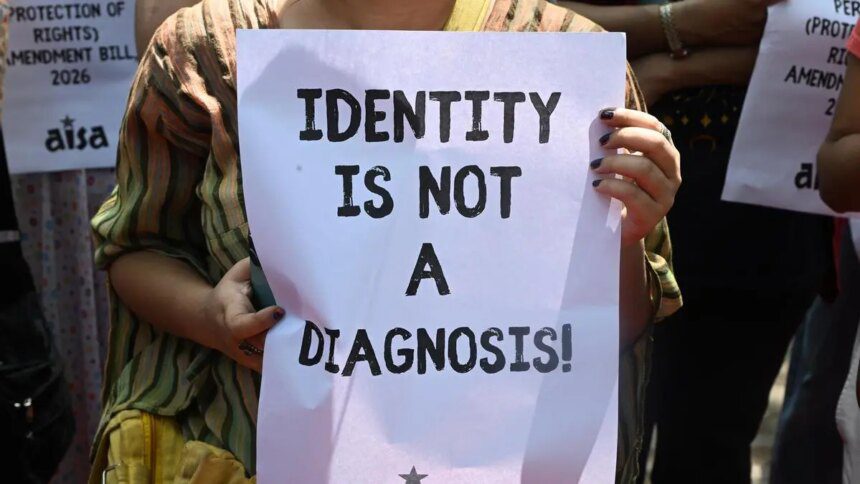

Over the past two months, India’s transgender community has faced a significant “medico-social crisis” in accessing medical care following the presidential assent to the Transgender Persons (Protection of Rights) Amendment Bill, 2026, on March 30. The bill, which rejects self-identification for transgender individuals, has reportedly led to the suspension or cancellation of gender-affirming surgeries and supportive treatments in hospitals, according to community representatives.
Individuals seeking to align their biological sex with their self-identified gender are now required to provide waivers and affidavits, as well as consent forms from parents, to access surgeries and treatments. In some cases, patients must present gender identity certificates accompanied by a psychiatrist’s approval. These procedural changes have created uncertainty surrounding the availability of surgeries and supportive treatments for the transgender community.
Just one day after the bill’s assent, a Delhi resident awaiting gender-affirming surgery was informed that the procedure had been canceled due to the new law. Similarly, Shine Rahman, a trans man and board member of international transgender organization FLUX, faced difficulties obtaining mandatory post-surgery hormone replacement therapy (HRT) at a local hospital, despite having undergone surgery in 2020.
“After the surgery, patients need HRT and medical tests every three months… Stopping HRT abruptly can lead to serious mental and physical health challenges,” Rahman noted, highlighting the struggles faced by other transgender individuals in similar situations.
While medical professionals cite the amendment as a basis for denying services, the actual changes only modify the definition of “transgender” without impacting the existing provisions for medical procedures and surgeries. When Rajya Sabha member Tiruchi Siva raised concerns about the implications of the amendment for healthcare, the Union Ministry of State for Social Justice and Empowerment indicated that the changes were “not intended to restrict legitimate gender-affirmative care.” However, members of the transgender community report that many healthcare providers remain hesitant to offer necessary treatments.
The amendment introduces a clause criminalizing those who support transgender individuals in affirming their self-identified gender, with penalties ranging from hefty fines to imprisonment of 10 years to life. Vihaan, a trans activist, asserted that this has instilled fear among healthcare providers, leading to a halt in surgeries until the government clarifies guidelines.
Dr. Sanjay Sharma, founder of the Association for Transgender Health in India (ATHI), has expressed alarm over the interim impact of the amendment. “The silence of the health ministry and the National Medical Council is endangering lives. If the climate of fear among healthcare professionals continues, the mental and physical health of transgender individuals will deteriorate. Those mid-transition may see their progress reversed, and some may resort to dangerous self-medication. We are facing a public health emergency,” Sharma stated, emphasizing the urgent need for action.
According to the 2011 Census, approximately 4.87 lakh individuals are categorized as “others,” and Sharma estimates that between 1.7% and 2.6% of Indians identify as transgender, amounting to over 2 crore individuals. The amended Act only recognizes members of the kinner, hijra, aravani, and jogta communities, as well as intersex individuals and victims of forced conversion as transgender. Others are required to undergo psychiatric assessments to confirm a “gender identity disorder.”
This requirement, previously abolished in 2019, has reintroduced barriers for those seeking surgery, necessitating additional documentation on top of the emotional and physical preparedness for transitioning. Sharma voiced concerns regarding access to care within the public health system, as many individuals cannot afford private practitioners, with costs for mental health sessions ranging from ₹1,500 to ₹2,000, hormonal treatments between ₹2,500 and ₹5,000, and surgeries priced between ₹5 lakh and ₹10 lakh.
Despite judicial rulings supporting surgeries based on self-identification, healthcare professionals in institutions like Mumbai’s Sion Hospital stated that they still require two certifications from mental health professionals before proceeding with surgery. “We must adhere to the law… I advise patients to have their certifications and identity cards ready. Those with the necessary documents need not be concerned,” remarked Amarnath Munoli, a plastic surgeon at Sion Hospital, attributing the recent denial of services to unclear regulations.
Some transgender individuals have sought legal recourse to ensure access to essential medical care. In April, two transgender persons petitioned the Kerala High Court to mandate that hospitals continue with HRT, arguing that the removal of self-identification and the requirement for medical certification contravened the Supreme Court’s 2014 National Legal Services Authority (NALSA) judgement. Similar petitions have been filed in Karnataka and Rajasthan high courts.
“Gender-affirming care remains a right for transgender individuals… we must inform medical practitioners that they cannot deny care,” emphasized Vihaan.