
New Delhi: In response to Congress Leader of Opposition in Lok Sabha Rahul Gandhi’s criticism of the Greater Nicobar project, former Indian Air Force Chief Air Chief Marshal R K S Bhadauria (Retd) underscored the project’s significance for India’s military presence in the region. Several defence veterans have echoed Bhadauria’s support for the island project, which they deem vital for national security and economic growth.
Bhadauria dismissed the Congress’s objections as unfounded, highlighting the project’s critical role in India’s strategic landscape, particularly in monitoring the Malacca Strait—an essential conduit for maritime trade and a strategic point of monitoring China. Approximately 80% of China’s oil imports transit through this narrow waterway.
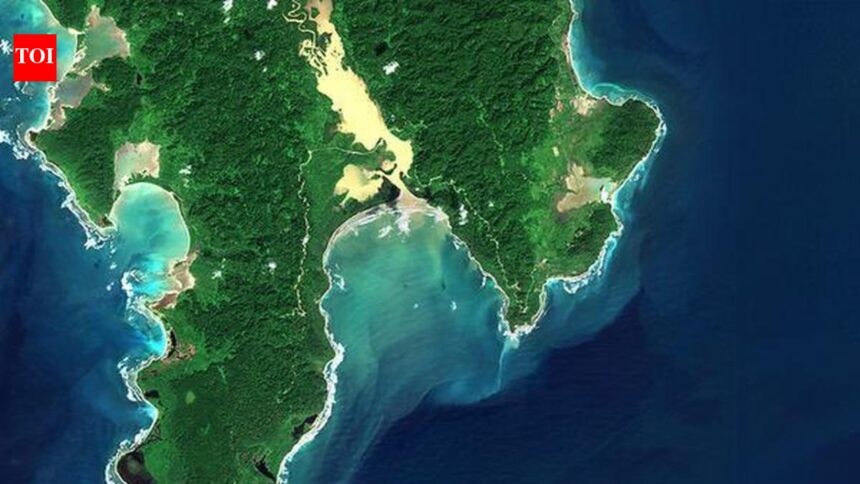
The Greater Nicobar mega-infrastructure initiative, estimated to cost Rs 92,000 crore, includes the development of a transshipment terminal, greenfield international airport, township, and power facilities. The project is reported to involve limited diversion of forest land, with plans for compensatory afforestation, and no proposed displacement of indigenous communities.
Bhadauria’s remarks followed Rahul Gandhi’s statement that the project at Campbell Bay represents “one of the biggest scams and gravest crimes against the natural and tribal heritage of the country.” On February 16, the National Green Tribunal had approved the project’s environmental clearance, citing its strategic importance as a reason to proceed without interference.
Reacting to the controversies surrounding the project, Bhadauria stressed the need to consider it from a strategic perspective, especially in the context of ongoing conflicts in West Asia and tensions in the Strait of Hormuz. He noted that the project would enhance India’s capability by positioning the country just 150 km from the Strait of Malacca, significantly improving air and maritime domain awareness.
Adding to the discussion, Major General (Retd) G S Rawat remarked on the operational and strategic implications of the project. He drew parallels between the strategic chokepoints, stating that control over such routes would enhance India’s leverage, surveillance capacity, and maritime security, emphasizing the project’s importance in this context.
Air Vice Marshal P K Srivastava (Retd) highlighted that government projects undergo thorough consultations with subject matter experts and field assessments, ensuring that potential concerns are addressed during the planning stages.
Maj Gen Sinha (Retd) referred to the Greater Nicobar project as a significant strategic and economic achievement for the country. He asserted that some detractors may be opposing India’s emergence as a global power.
Lt Gen (Retd) Rajeev Chaudhry, former DG of the Border Roads Organisation, cautioned that delays in the project resulting from opposition—particularly due to environmental arguments—could inadvertently favor China. He emphasized that China views the development at Great Nicobar Island with concern, noting that it would strengthen India’s surveillance of maritime trade and military activities, thus countering China’s “String of Pearls” strategy, which includes initiatives in Gwadar, Hambantota, and Kyaukpyu. Chaudhry stated that this essential project should have been initiated much earlier to enhance India’s strategic position.