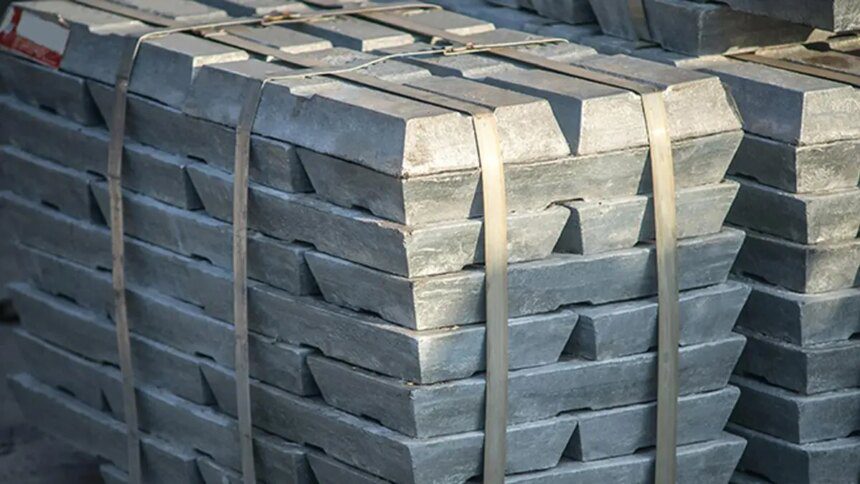

Zinc prices have declined by over 2.5% in the past week, likely due to supply-side risks, although analysts predict continued market volatility. According to BMI, a unit of Fitch Solutions, “Zinc prices are expected to remain supported by supply-side risks, even as zinc consumption growth slows to 1.9% in 2026, from 2.2% in 2025.”
The recent decrease in prices is attributed to a combination of four bearish factors: a demand vacuum, profit-booking, an excess of refined material in February, and a retreat in macroeconomic appetite, as reported by SurnSirs Commodity data group.
Price Forecast
BMI has revised its zinc price forecast for 2026 to $2,950 per tonne, up from a previous estimate of $2,780 per tonne, citing persistent input-cost pressures. Year-to-date averages for zinc prices have been approximately $3,277 per tonne as of April 17, reflecting an 8% annual increase and extending the upward trend from 2025, when prices averaged $2,867 per tonne due to significant stock withdrawals and expectations of tighter supply.
The World Bank’s Commodity Outlook indicates a modest increase in global zinc production expected in 2026, driven by rising output from major producing countries, though high energy costs are likely to temper the growth of refined production. The organization predicts a price increase of about 5% in 2026.
Iran War Disruptions
Zinc prices rose by 2% in the first quarter of this year compared to the last quarter of 2025, with continued gains into April. These increases were linked to disruptions in zinc concentrate supplies due to the conflict in West Asia and hindered Chinese smelting output stemming from lower deliveries from other sources, according to the World Bank.
While BMI noted volatility in zinc prices during the first quarter, early gains driven by supply concerns were later counterbalanced by uncertainty related to macroeconomic factors, especially after the escalation of conflict between the US and Iran in late February. Prices have recently rebounded as escalating conflict has intensified concerns about the availability of critical inputs, putting additional pressure on smelters.
SunSirs noted a “demand vacuum” effect as the May Day holiday approaches, with downstream sectors such as galvanizing, die-casting, and zinc oxide enterprises reducing production or halting it altogether. This led to a near standstill in raw material procurement and a slowdown in spot market trading.
Chinese Property Sector Weakness
Profit-taking among investors has increased since the March rebound, as zinc prices approached a three-and-a-half-year high, prompting long-position holders to exit positions out of risk aversion before the holiday, resulting in a sell-off. BMI highlighted that a ceasefire announcement in early April between the US and Iran briefly alleviated inflation concerns and calmed fears regarding the conflict’s impact on global economic growth, though renewed volatility ensued.
The World Bank observed that ongoing weakness in China’s property sector is anticipated to adversely affect steel consumption and galvanizing activity, dampening zinc demand in 2026 and 2027. However, BMI expects that rising zinc consumption linked to growing global investment in infrastructure, power grids, and renewable energy projects will help offset these declines.
Reversal of Balance
Recent data from the International Lead and Zinc Study Group (ILZSG) indicates a significant shift in the supply-demand landscape. In February, the global market for refined zinc transitioned from a deficit of 21,900 tonnes to a surplus of 49,600 tonnes, with the full-year surplus forecast for 2026 revised upward to 175,000 tonnes.
BMI noted that the Iran conflict has exacerbated existing tightness in the sulphur market, heightening input-cost risks for smelters and significantly influencing prices. Initial concerns over the availability of sulphuric acid arose from Russia’s export ban on sulphur, implemented late in 2025 and extended into 2026, disrupting a critical source of global supply.
Broader Pressure
SunSirs reported that the approaching May monetary policy meeting of the US Federal Reserve, coupled with a strengthening US Dollar Index, has placed industrial metals under broad pressure. The World Bank expects an increase in mine output and weak consumption growth to lead to an estimated price decline of about 8% in 2027.
BMI anticipates that zinc price movements will continue to be volatile throughout 2026, shaped by ongoing supply-side pressures and heightened sensitivity to geopolitical and macroeconomic developments linked to events in West Asia.
Published on April 30, 2026.