
The United Arab Emirates (UAE) will exit the Organization of the Petroleum Exporting Countries (OPEC) on May 1, marking a significant shift after 60 years of membership. This development poses a challenge for OPEC, particularly for its leading member, Saudi Arabia, as the global oil market faces major supply disruptions due to the ongoing conflict in Iran.
Previously, the UAE was OPEC’s third-largest producer, contributing approximately 12% of the organization’s total supply. The UAE’s withdrawal is expected to have long-term implications for global energy markets, influenced heavily by the fallout from the Iran war.
Energy Minister Suhail Al Mazrouei indicated that the decision to leave OPEC was influenced by the market conditions resulting from the war. “This is a decision that we took after a very careful and long review of all our strategies,” he stated in an interview. He suggested that the current supply constraints allow for a more agile response to market needs, unconstrained by collective decision-making protocols within OPEC.
The UAE’s departure comes amid a backdrop of tension with Saudi Arabia, primarily concerning oil output policies and regional political influence. Throughout prior OPEC+ meetings, there had been notable disagreements, with the UAE advocating for increased investments in oil production capacity while Saudi Arabia urged a restriction on supply. Although the UAE has contemplated leaving OPEC before, this is the first time it has acted on that consideration.
Jorge Leon, head of geopolitical analysis at Rystad Energy, observed that the UAE’s exit could result in a “structurally weaker OPEC.” He raised concerns about the sustainability of Saudi Arabia’s role as a stabilizing force in the oil market if the UAE, outside the OPEC framework, were to ramp up production.
Other nations have also departed OPEC in recent years. Angola exited at the end of 2023 due to declining output, Ecuador left in 2020 as a result of reduced production, and Qatar withdrew in 2018 to focus on its natural gas sector.
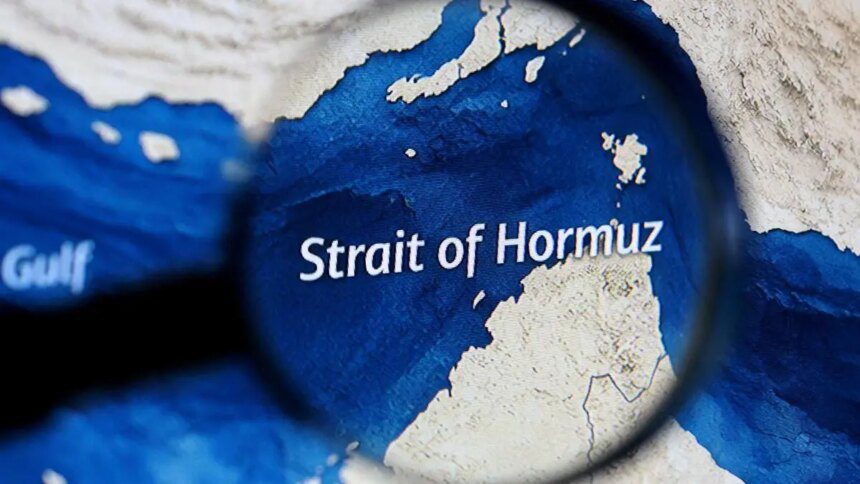
In the short term, the UAE’s exit may have minimal impact, as the ongoing conflict between the United States and Iran has already led to production cuts across the Persian Gulf, including in Saudi Arabia, Iraq, and the UAE itself. Oil prices in London are presently close to $111 a barrel.
Prior to the escalation of conflict, OPEC+ was reviewing each member’s production capacity to set output quotas for the upcoming year. The UAE had been one of the few OPEC+ countries, alongside Saudi Arabia, with available production capacity; the International Energy Agency (IEA) estimated it had about 660,000 barrels per day available. However, many analysts and traders believe that the UAE is nearing its production limit.
The state-run oil company, Adnoc, claims a higher production capacity of about 4.85 million barrels per day, nearly reaching a target of 5 million barrels. This capacity, if actualized, could position the UAE to meet rising market demands more effectively.
The UAE was scheduled to participate in a monthly video conference with other major OPEC+ members to discuss the gradual restoration of previously halted production.