
Venezuela is grappling with the aftermath of devastating earthquakes that have claimed at least 1,719 lives and left thousands injured or missing. As relief efforts unfold amidst criticism, the humanitarian crisis poses long-term challenges for the nation, prompting empathy and concern across the globe, including in India.
Impact of the Earthquakes
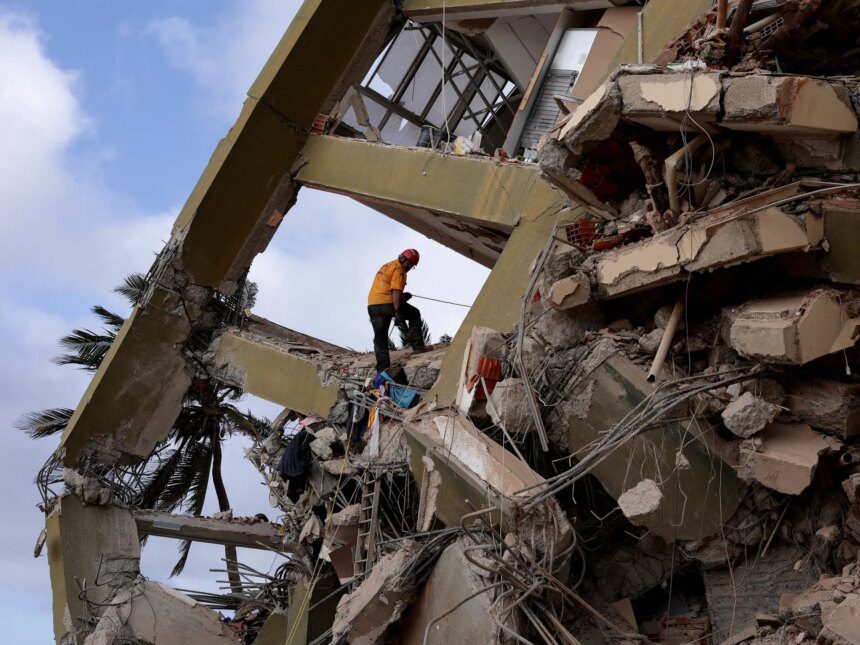
Last week, two powerful earthquakes measuring 7.2 and 7.5 struck La Guaira, a northern state in Venezuela, creating extensive damage and causing significant loss of life. The initial shockwaves were followed by over 600 aftershocks, with a notable magnitude 4.6 tremor reported on Monday. Rescuers have continued their operations despite the critical 72-hour window for locating survivors having passed. Families like that of Ana Rada remain hopeful, standing vigil over piles of rubble in search of their loved ones.
The Venezuelan government, struggling with resource constraints, is under pressure to provide immediate aid. Displaced residents have received limited supplies such as canned tuna and crackers, highlighting the government’s attempts to manage relief efforts despite criticism of their pace.
The Humanitarian Crisis Unfolding
The possible humanitarian crisis is a growing concern, with significant shortages in food and shelter for tens of thousands of those affected. According to authorities, about 5,034 individuals have been reported injured, while many remain unaccounted for, raising fears of a long-term crisis that may affect the nation for years to come.
In a nation already facing an economic crisis, this natural disaster exacerbates the existing struggles of the Venezuelan population. Many individuals have lost their homes, and restoring basic necessities has become a daunting challenge for a cash-strapped government. As noted by National Assembly President Jorge Rodriguez, while electricity has been restored to 90% of La Guaira, the road to full recovery will be long and arduous.
Public Response and Resilience
The response from local officials has included the establishment of 15 temporary camps to shelter those displaced by the earthquakes. Despite the government’s efforts, the public sentiment reflects a mix of frustration and determination. Witnesses like Concepcion Hernandez voiced their discontent, expressing concern about the frequency of tremors and the lack of safety, stating, “I don’t know when we’ll have a moment of true peace.”
The shared human experience of suffering resonates with communities globally, including in India, where natural disasters similarly strain local resources. As Venezuelans demonstrate remarkable resilience in the face of adversity, their plight serves as a reminder of the universal challenges posed by such crises.
What This Means
The humanitarian crisis unfolding in Venezuela highlights critical global issues such as disaster preparedness and response capacity, especially in nations facing economic constraints. For Indian readers, the situation serves as a call to reflect on the lessons learned from natural disasters faced by India over the years, such as the 2001 Gujarat earthquake and the 2015 Nepal earthquake. It emphasizes the importance of building resilient infrastructures and effective emergency response teams to mitigate loss of life and property in the future.
Moreover, it underscores the need for international collaboration and support during such crises, reinforcing the interconnectedness of humanity in times of need. India’s own experience in disaster recovery can be invaluable in offering insight and aid to nations undergoing similar ordeals.
Frequently Asked Questions
What caused the earthquakes in Venezuela?
The earthquakes were caused by tectonic activity along fault lines in the region, which is prone to seismic events.
How is the Venezuelan government responding to the crisis?
The government has set up temporary camps for displaced residents and is distributing food supplies, albeit amidst criticism about the speed of their response.
What are the long-term implications of this disaster for Venezuela?
The earthquakes threaten to exacerbate existing economic struggles, potentially leading to a prolonged humanitarian crisis characterized by food shortages and homelessness.
How can people in India help?
While direct aid may be complicated, raising awareness about the situation and supporting international organizations that provide disaster relief can significantly help affected regions like Venezuela.