
Summary
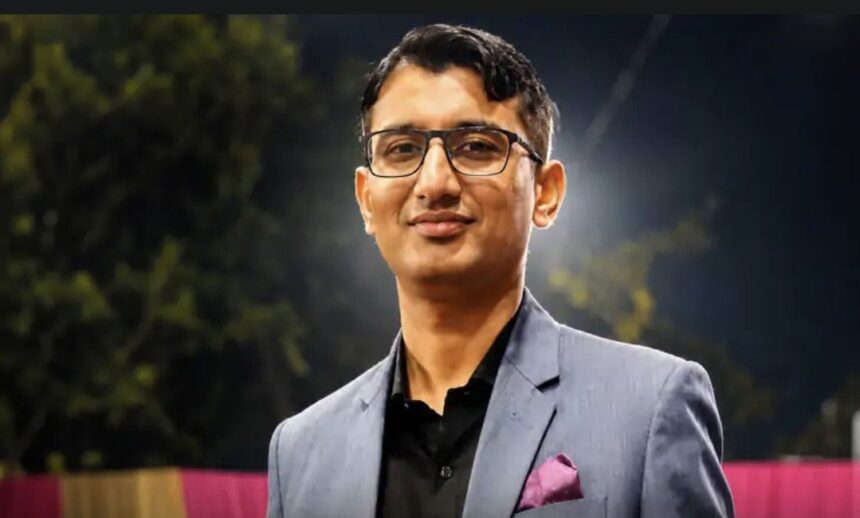
The recent arrest of Pramod Nautiyal, a personal secretary to the President of the Badrinath-Kedarnath Temple Committee (BKTC), has raised serious concerns regarding the misuse of donations at one of India’s sacred sites. Nautiyal was caught on CCTV footage multiple times lifting bundles of cash donations, prompting a police investigation and the establishment of a committee for further scrutiny.
Details of the Arrest
Pramod Nautiyal has been arrested in connection with alleged theft of donation funds from the Badrinath Temple. His actions were confirmed by CCTV footage, which showed him taking cash bundles on multiple occasions. Following these revelations, the BKTC took immediate action. An FIR (First Information Report) was filed against Nautiyal, and he was suspended from his position to maintain the integrity of the temple’s operations.
The police investigation into this matter has been sparked by mounting public and governmental pressure to ensure transparency and accountability. Furthermore, the Chief Minister has requested a comprehensive report from the internal investigation committee within 15 days, highlighting the urgency of addressing the situation.
Background on Badrinath Temple and Its Significance
Badrinath Temple, one of Hinduism’s holiest shrines, attracts millions of devotees annually. Known for its rich heritage and spiritual significance, the temple relies heavily on the donations it receives from visitors to maintain its operations and support various charitable activities. The recent incident brings to light concerns over the management of these funds.
With a growing environment of skepticism regarding financial practices in religious institutions, this incident may tarnish the temple’s reputation and affect its donor base. The temple committee has previously faced scrutiny, making this a critical juncture for overhaul and reform.
Political Implications
This situation is politically significant as it brings attention to issues of transparency in financial dealings within religious institutions in India. With religious donations often going unregulated, cases like these can lead to calls for stricter oversight measures. Local politicians and social groups may seize this opportunity to advocate for reforms in the administration of temple finances and greater accountability across all religious organizations.
Moreover, the arrest and subsequent investigation into Nautiyal’s actions could also influence public sentiment toward the government and its handling of corruption within public faith-based organizations.
Why This Matters
The implications of this incident go beyond a single act of theft; they reflect broader concerns regarding the governance of religious institutions in India. As a nation with widespread faith-based charitable giving, ensuring the integrity of these institutions is vital for maintaining public trust. Donors expect that their contributions will be used for intended purposes rather than misappropriated. The outcome of this investigation could set precedents for higher scrutiny and could lead to national discussions around reform in donation handling practices across religious entities.
Frequently Asked Questions
What are the charges against Pramod Nautiyal?
Pramod Nautiyal has been charged with theft of funds from the Badrinath Temple, specifically related to the misappropriation of cash donations.
What steps has the Badrinath-Kedarnath Temple Committee taken in this situation?
The BKTC has suspended Pramod Nautiyal from his position and filed an FIR against him. Additionally, an internal committee has been formed to investigate the matter, with a report expected to be submitted within 15 days.
What consequences could this incident have for the temple’s reputation?
This incident could dramatically affect the public’s perception of the temple’s integrity and may lead to a decrease in donations. It also raises questions about the management of funds in religious institutions.
What reforms could arise from this investigation?
The investigation could spur calls for stricter regulations and oversight in managing donations within religious institutions, promoting better practices for accountability and transparency.