
Supreme Court Ruling Sparks Controversy Over Temporary Protected Status
The recent decision by the U.S. Supreme Court to withdraw humanitarian protections for immigrants under Temporary Protected Status (TPS) has profound implications for communities from crisis-affected nations, particularly Haiti and Syria. The ruling, impacting around 350,000 Haitians and 6,000 Syrians, raises critical questions about the balance between legal definitions of temporary status and the humanitarian needs of displaced populations.
Impact on Vulnerable Immigrant Communities
The Supreme Court’s decision is poised to affect the lives of individuals who have spent years in the United States, establishing roots in their new communities. Secretary of Homeland Security Markwayne Mullin emphasized that those affected must seek permanent residency or prepare to leave the country. For many, the abrupt termination of protections jeopardizes not just their personal safety but also their livelihoods and community ties.
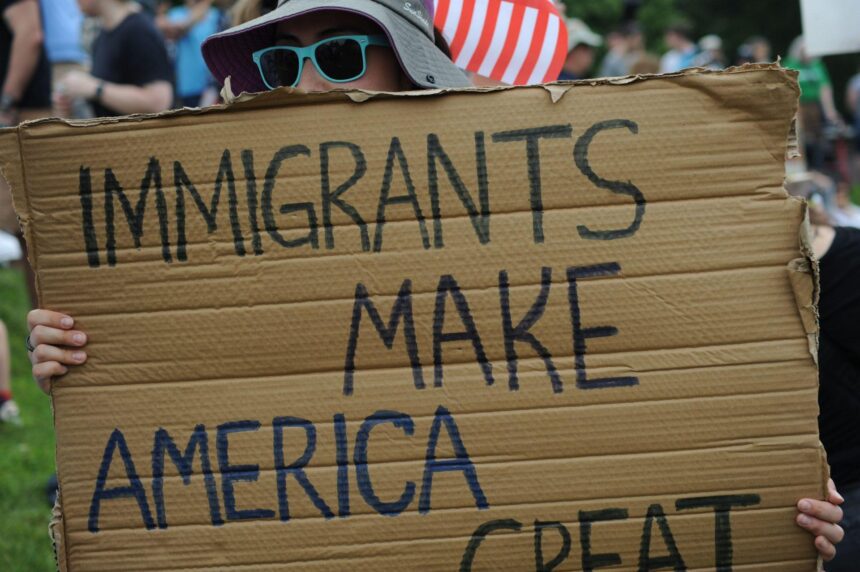
Though the TPS program was initially designed as a temporary refuge for individuals fleeing armed conflict or natural disasters, it has often been extended to accommodate ongoing crises. Critics argue that the court’s ruling leaves vulnerable populations exposed to deportation, undermining the humanitarian principles that TPS was intended to uphold. Immigrant advocates are particularly concerned about how this ruling could represent a broader political shift altering the landscape of humanitarian immigration policies in the U.S.
Conditions in Haiti and Syria: A Dangerous Backdrop
Conditions in Haiti and Syria remain critical. The U.S. State Department continues to discourage travel to these nations due to ongoing violence, political unrest, and humanitarian crises. Since the devastating earthquake in 2010, Haiti has struggled with political instability and security issues, while Syria has been engulfed in civil war, leading to extensive economic collapse.
Many in the affected communities argue that sending individuals back to such perilous environments runs counter to the humanitarian mission of the U.S. government. For instance, in cities like Springfield, Ohio, local Haitian residents have expressed anxiety over how the termination of TPS will disrupt their close-knit communities and the local businesses they have built over years.
Political Reactions and Ongoing Debate
The ruling has garnered mixed reactions. While some officials within the Republican Party have expressed concern, arguing that the dire conditions in Haiti do not justify ending protections, the court’s conservative majority reached a conclusion that questioned claims of racial bias from plaintiffs challenging the termination.
Overall, this decision may trigger broader discussions about the role of the U.S. in providing humanitarian support through its immigration policies. Approximately 1.7 million TPS recipients from various countries may face uncertain futures, particularly as stakeholders watch how the Biden administration navigates these challenges amid pressures to align protections with the legally defined temporariness.
Why It Matters
This Supreme Court ruling has significant implications not only for the affected communities but also for the U.S. immigration framework as a whole. It raises questions about the balance between legal standards and humanitarian obligations. The potential reshaping of TPS could impact an array of immigration protections, affecting millions of immigrants who contribute to the fabric of American society. For developers and policymakers, this could necessitate reevaluating immigration systems and human rights frameworks to better accommodate vulnerable populations.
Frequently Asked Questions
What is Temporary Protected Status (TPS)?
Temporary Protected Status (TPS) is a U.S. immigration program that allows individuals from designated countries experiencing armed conflict, natural disasters, or other extraordinary conditions to live and work in the United States temporarily.
How many people are affected by the Supreme Court ruling?
Approximately 350,000 Haitian nationals and 6,000 Syrian nationals are directly impacted by the recent Supreme Court ruling terminating their TPS status.
What should affected individuals do following the ruling?
Homeland Security Secretary Markwayne Mullin indicates that affected individuals should either seek permanent residency options or prepare for departure from the United States, with possible financial and travel support from the government.
What are the conditions like in Haiti and Syria?
Both Haiti and Syria currently face dire humanitarian crises. Haiti grapples with political instability and security issues post-2010 earthquake, while Syria continues to experience civil war, economic collapse, and widespread violence.