
Summary
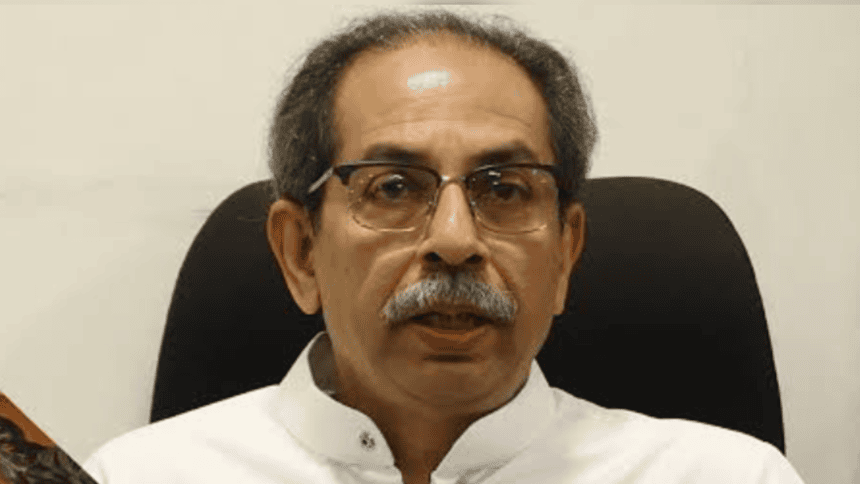
Uddhav Thackeray, chief of Shiv Sena (UBT), has launched a statewide agitation called “Ram Raksha,” criticizing the BJP-led government for alleged corruption at the Ayodhya Ram Temple. His demands for an impartial investigation into the embezzlement of donations highlight ongoing political rivalries, particularly regarding Hindutva narratives and the treatment of India’s Muslim community under the current regime.
The Ram Raksha Agitation
On Sunday, Uddhav Thackeray formally kicked off the “Ram Raksha” agitation by addressing a rally at the Hanuman Temple in Dadar, Mumbai. With fervent recitations of the Hanuman Chalisa and other religious texts, he invoked the slogan “Garv se kaho hum Hindu hain,” originally popularized by his father, Bal Thackeray. This rally served as a platform for criticisms aimed at the current governments that Thackeray blames for misappropriating Hindutva ideals to exploit resources meant for Hindu temples.
Specifically, he condemned the alleged embezzlement associated with the Ayodhya Ram Temple, claiming that “a robber cannot investigate his own robbery” when calling for an impartial inquiry. Thackeray further accused the BJP of leading Hindus to a state of “hypnosis,” manipulating faith for political gains.
Accusations and Counterstatements
The agitation’s backdrop is an ongoing legal investigation, stemming from an FIR filed on June 25, which followed a Special Investigation Team’s report regarding alleged donations linked to the Ayodhya temple. The investigation has already led to the arrest of eight individuals tied to the temple’s donation process. Thackeray’s rally also raised flags about potential issues at other prominent religious destinations like Kedarnath, Badrinath, and Ujjain, stating that similar problems could arise in Kashi and Mathura in the future.
The BJP government responded firmly, with Maharashtra Chief Minister Devendra Fadnavis challenging Thackeray’s sincerity. He pointed out Thackeray’s past decision to ally with the Congress party in 2019, accusing him of abandoning the cause of Hindutva and hoping that Thackeray will return to the spiritual path he now claims to champion.
The Broader Political Context
This political skirmish is also a reflection of the ongoing tension surrounding the Hindutva agenda and its implications for various communities, especially Muslims in India. Thackeray’s assertion that “Lord Ram belongs to everyone and not to any political party” can be viewed as an attempt to reclaim religious narratives smothered in political affiliations. His agitation expresses concerns that the ruling party’s handling of religious issues could lead to growing divisions within society.
This could further deepen the marginalization of specific communities, particularly Muslims, who often find themselves at the crossroads of discussions imbued with religious nationalism and identity politics. Thackeray’s pivot towards a more inclusive narrative serves as a reminder of the sensitive tapestry of faith and politics in India today.
Why It Matters
The unfolding political tensions resonate far beyond Maharashtra, reflecting broader societal dynamics affecting religious minorities in India, particularly Muslims. Given the rise of religious nationalism, debates about the use of religious symbols and narratives for political gain can exacerbate existing fractures in society. Understanding these complexities is crucial for policymakers and communities alike as it underscores the potential for discrimination and social exclusion in a diverse nation.
The ongoing negotiations within political parties around religious identities also affect public sentiments and policies that can lead to economic boycotts or marginalization. The clarity surrounding these issues will be vital as India continues to navigate its political landscape, especially in light of upcoming elections.
Frequently Asked Questions
What is the “Ram Raksha” agitation initiated by Uddhav Thackeray?
The “Ram Raksha” agitation is a statewide movement launched by Uddhav Thackeray, aimed at protesting alleged embezzlement of donations at the Ayodhya Ram Temple and calling for an unbiased inquiry.
Why are there allegations of corruption at the Ayodhya Ram Temple?
Allegations arose from a Special Investigation Team report that led to the registration of an FIR, resulting in the arrest of eight individuals linked to the temple’s donation processes.
How has the BJP responded to Thackeray’s accusations?
The BJP, through Chief Minister Devendra Fadnavis, criticized Thackeray for previously allying with the Congress party and accused him of hypocrisy for suddenly invoking religious sentiments.
What implications does the “Ram Raksha” agitation have for social harmony in India?
The agitation may intensify existing tensions among communities, particularly Muslims, and concerns about the politicization of religious identities can exacerbate discrimination and social exclusion.