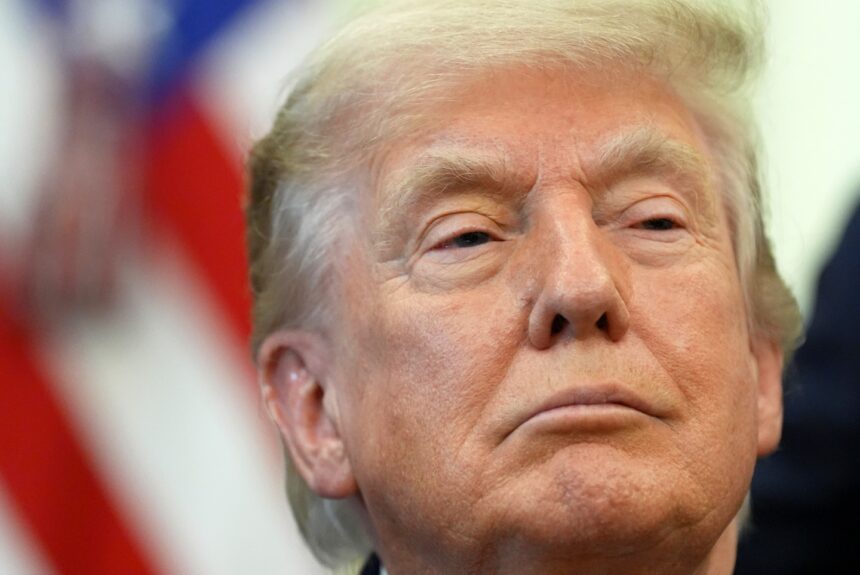

A new book by veteran White House reporters offers an insightful examination of the dynamics within President Donald Trump’s administration during the early phase of his second term. As Trump sought to assert his power and redefine presidential roles, the revelations offer a crucial understanding of American political machinery, drawing parallels that resonate with political currents in India.
Trump’s Presidency: A Study in Consolidation of Power
The book highlights Trump’s unique approach to power during his second term in office, emphasizing a notable shift towards fewer checks and balances. As he faced growing scrutiny, both legal and political, the strategies he employed aimed to fortify his presidential authority. The narrative paints a portrait of an administration that tests the boundaries of presidential power, stirring discussions about the implications for democracy.
Legal Risks and Political Implications
In a landscape marked by legal challenges, Trump’s willingness to embrace unprecedented risks has sparked concerns regarding the long-term health of democratic norms. The book details several instances where Trump took decisions that skirted legal gray areas, sometimes at great political cost. Observers have argued that these actions could reshape the American political landscape, creating a model that future leaders might replicate—raising alarms for democracies worldwide, including India.
The Transformation of Presidential Norms
Readers of this latest work will find compelling insights into how Trump’s presidency has affected the traditional understanding of the executive role. With a focus on his determination to manipulate institutional norms to suit personal objectives, the book illustrates how Trump’s tenure has redefined expectations of presidential conduct. This transformation calls for reflection on governance globally, particularly in regions like India, where political dynamics are similarly fluid.
Why This Is Trending
Interest in Trump’s leadership style and his impact on global politics is surging in India, as audiences draw parallels between his administration and the current political climate in the country. With ongoing debates around leadership accountability and constitutional nuances, insights from higher political offices in other countries spark intense curiosity. As conversations about democracy heat up, especially in the context of recent electoral controversies and governance challenges faced domestically, this book provides an important lens to examine potential futures in Indian politics.
Frequently Asked Questions
What does the book reveal about Trump’s decision-making process?
The book provides an in-depth look at Trump’s strategies for consolidating power and navigating legal challenges during his presidency, illustrating a distinctive approach that prioritizes personal authority over institutional norms.
Why is this topic relevant to India?
Indians are increasingly drawn to the topic as they explore parallels between Trump’s unorthodox methods and similar trends in Indian politics, especially regarding the dynamics of power and governance.
How might this book influence future political leaders?
By examining Trump’s political maneuvers, the book serves as both a cautionary tale and a potential blueprint for future leaders who might seek to emulate his methods, prompting discussions on ethical governance worldwide.
Are there any key lessons for emerging democracies?
Yes, the book outlines essential lessons on the importance of institutional checks and balances and highlights the risks posed by leaders who prioritize personal power, serving as a guide for strengthening democratic frameworks in emerging democracies like India.