
President Trump’s recent comments regarding automakers’ alleged attempts to restrict car repairs have ignited a fresh debate on vehicle ownership rights. Executives from General Motors and Ford supposedly met with Trump to discuss legislation that could curb consumers’ ability to fix their own cars, raising concerns among automotive enthusiasts and owners.
Automakers Lobbying for Restrictions?
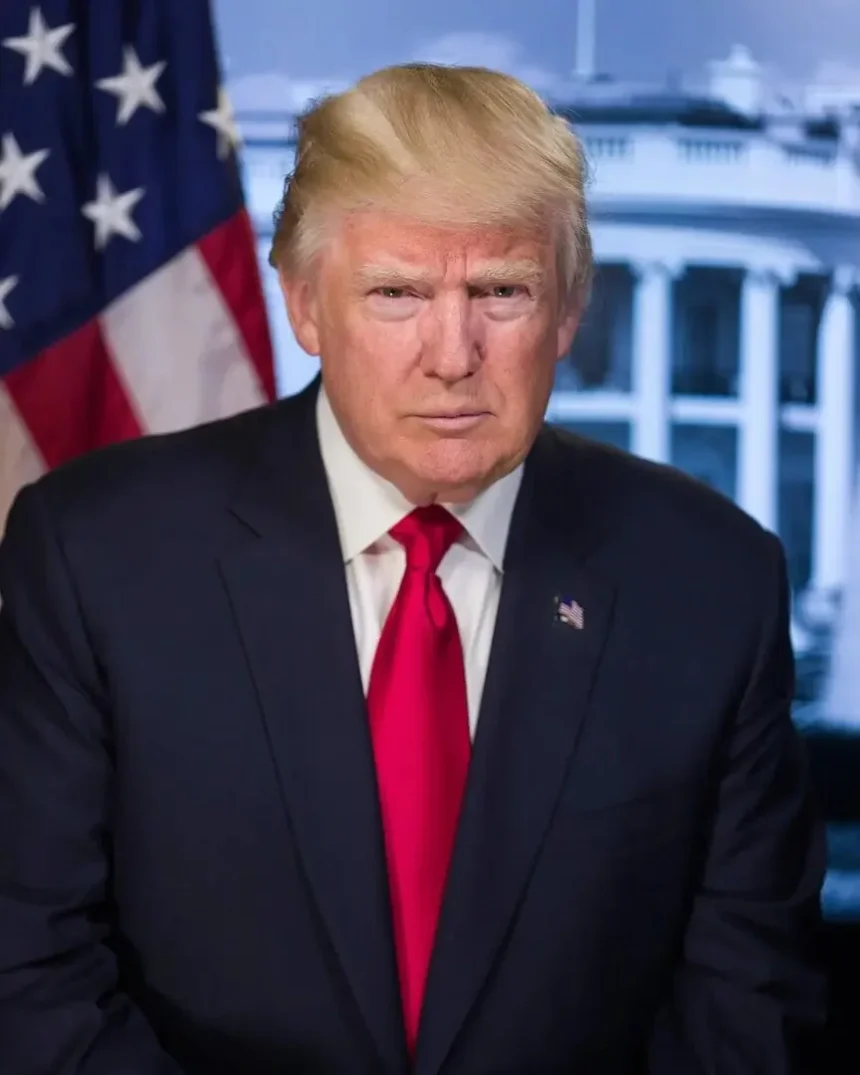
During an event on June 4th at the Oval Office, President Trump claimed that representatives from GM and Ford, alongside Roger Penske from Penske Corporation, proposed legislation aimed at restricting vehicle owners from conducting their own repairs. Trump described this approach as “backward,” making it clear that he found the idea puzzling. “I have never heard of such a thing,” he remarked, suggesting a disconnect between the automotive industry and consumer rights.
The need for such legislation remains ambiguous, as neither the White House nor the automakers have clarified the specifics. This absence of concrete information complicates the narrative surrounding the proposed law, with many in the automotive community questioning the rationale behind such restrictions.
The Right-to-Repair Movement
Trump’s comments resonate within the broader context of the right-to-repair debate, which has been ongoing for years. Vehicle owners already possess the legal right to repair their cars, but the issue becomes complicated with advancements in technology. Modern vehicles operate as sophisticated computers, making repairs more challenging and often requiring specialized knowledge and tools.
Automakers argue that restricting access to vehicle data is a matter of security and privacy. However, independent repair shops and advocates contend that ensuring greater access to data facilitates more cost-effective repairs and empowers consumers. With the possibility of more restrictive legislation, vehicle owners are increasingly concerned about losing their autonomy over their cars.
Unverified Claims and Industry Response
Among Trump’s various claims was a statement about a person receiving a seven-year prison sentence for repairing their own vehicle. This assertion remains unverified and lacks contextual backing, adding to the confusion surrounding the topic. A seven-year sentence for a car repair is highly unusual, raising questions about its validity.
Ford has at least confirmed attendance at the meeting, indicating that Andrew Frick, a senior vice president, was present to discuss vehicle repair issues. However, Ford has remained silent on the content of discussions, leaving the public speculating about the manufacturers’ intentions.
Why This Is Trending
In India, discussions around the “right to repair” debate have gained traction as the automotive landscape evolves. As vehicles have become increasingly digitized, car owners are facing challenges when trying to maintain and repair their vehicles independently. This topic resonates with Indian consumers, who often rely on a mix of authorized dealers and local mechanics for repairs. With concerns regarding monopolistic practices and rising costs, many are searching for information on potential legislation that could impact their rights as vehicle owners.
Frequently Asked Questions
What is the right-to-repair movement?
The right-to-repair movement advocates for consumers’ rights to repair and modify their own devices and vehicles without restrictions imposed by manufacturers, emphasizing transparency, ownership, and cost-effectiveness.
What did Trump claim about automakers?
Trump claimed that automakers GM and Ford were seeking legislation to restrict consumers from repairing their own cars. He expressed discomfort with this proposal, stating it seemed “odd.”
Why is this issue important for vehicle owners?
Any legislation restricting the right to repair can affect vehicle owners and independent auto shops, potentially leading to higher repair costs and diminishing consumer rights.
Are there any confirmed proposals yet?
As of now, no specific proposals or bills have been publicly confirmed by the White House or the automakers, leaving much to speculation.