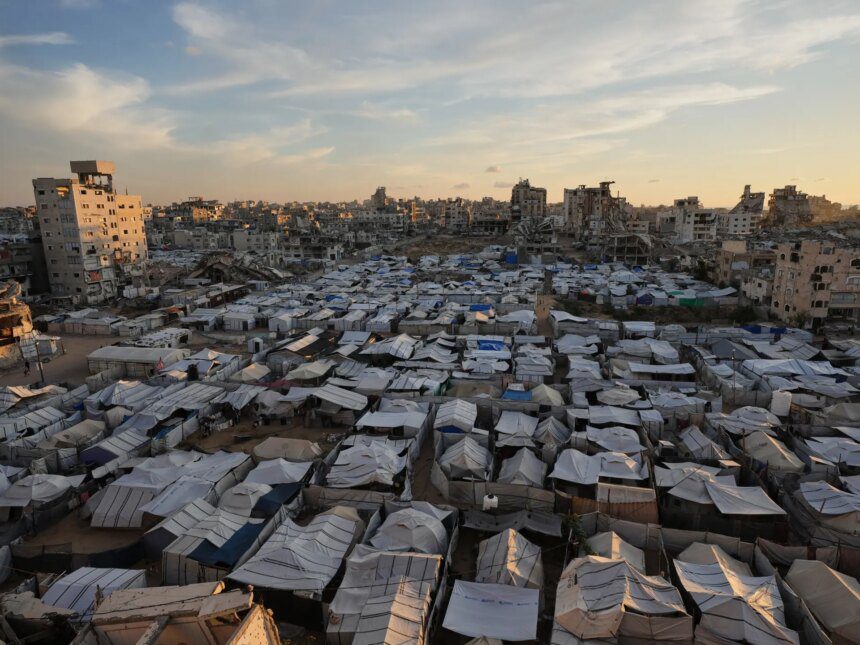

Over 10% of Gaza’s population has been killed or injured following the escalation of violence initiated by Israel in October 2023. The situation continues to deteriorate, with most families grappling with loss and displacement, as the territory transforms into one of the world’s largest makeshift refugee camps.
Desperate Humanitarian Crisis
The ongoing conflict has led to unprecedented humanitarian challenges in Gaza. Nearly every family is mourning the loss of loved ones or caring for injured members. Many residents are caught in a cycle of displacement, forced to move multiple times to escape the relentless fighting and evacuation orders. Reports indicate that the humanitarian crisis is deepening, as access to basic necessities like food, clean water, and medical supplies becomes increasingly limited.
With close to the entire population now homeless, makeshift shelters have mushroomed across the territory. Coastal areas, former agricultural lands, and vacant lots are now covered with tents made from canvas and nylon, demonstrating the severity of their plight. This desperate scramble for shelter reflects not only the immediate need for safety but also illustrates the long-term implications of the conflict on daily life.
Ceasefire Turns into Stalemate
A ceasefire agreement established in 2025 was initially perceived as a glimmer of hope, ending large-scale offensives and the most intense bombardments. However, the term “ceasefire” has proven misleading. Although large-scale military operations have decreased, Israel continues to execute targeted strikes against what they term “militant targets,” which often result in civilian casualties, including women and children.
Moreover, the reconstruction efforts intended to revive Gaza are hindered by ongoing disputes between Israel and Hamas regarding disarmament and withdrawal protocols. While residents are no longer forced to flee their homes daily, the blockade remains, making the importation of construction materials and essential supplies nearly impossible. This stagnation puts any hopes of rebuilding further out of reach.
Long-term Effects on Society and Infrastructure
The lasting impact of the conflict on Gaza’s society is profound. The psychological toll of grief and trauma weighs heavily on residents, especially among the youth. With educational institutions damaged or destroyed, a generation may grow up with insufficient access to education and vital services, which can perpetuate a cycle of violence and poverty.
Additionally, the destruction of infrastructure—combined with the inability to rebuild—compounds the daily struggles faced by the remaining population. With international aid significantly reduced, fears of a deepening humanitarian crisis loom large, potentially ushering in another wave of violence as desperation escalates.
What This Means
For Indian readers, the situation in Gaza highlights the complexities of geopolitics in the Middle East. Understanding the humanitarian implications of this crisis allows for a more nuanced view of international relations and solidarity movements. As India navigates its foreign policy, particularly regarding its connections with both Israel and the Palestinian territories, the humanitarian aspect serves as a critical reminder of the importance of addressing the human cost of conflict.
Frequently Asked Questions
What is the current situation in Gaza after the 2025 ceasefire?
Despite the ceasefire established in 2025, violence continues intermittently, with ongoing Israeli strikes resulting in civilian casualties. Many residents remain homeless, living in makeshift shelters.
How many people have been affected by the conflict in Gaza?
More than one in ten people from Gaza’s pre-war population have been killed or wounded since the conflict escalated in October 2023. Almost the entire population is now displaced.
Are there any reconstruction efforts underway in Gaza?
Reconstruction efforts have largely stalled due to disputes between Israel and Hamas regarding disarmament and the blockade on construction materials, preventing significant rebuilding.
What are the humanitarian needs of the people in Gaza?
The population faces severe shortages of food, clean water, medical supplies, and shelter. The ongoing conflict and blockade exacerbate these humanitarian needs.