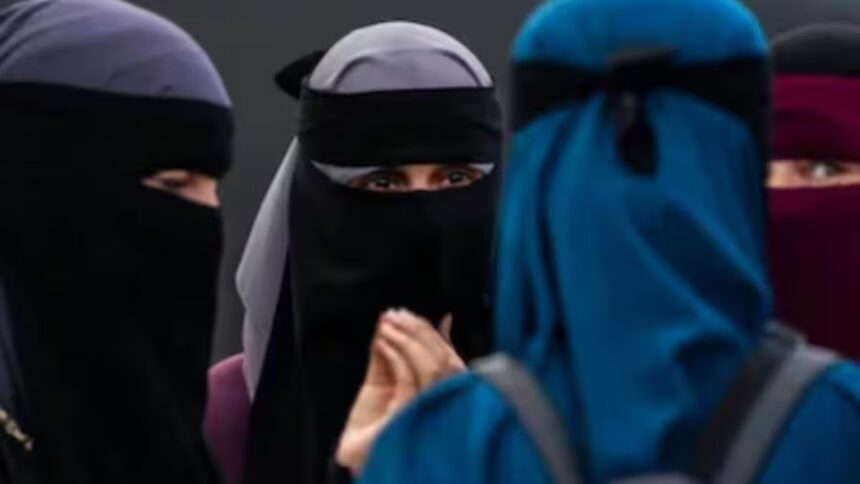

The Supreme Court of India has asked the Centre to respond to a petition aimed at abolishing polygamy among Muslims and enhancing legal protections for Muslim women. Filed by Zakia Soman, co-founder of the Bharatiya Muslim Mahila Andolan (BMMA), the petition argues that simply relying on a Uniform Civil Code (UCC) to address polygamy is insufficient and calls for a more comprehensive legal framework to protect women’s rights.
Petition for Ending Polygamy
The petition’s primary goal is to criminalize the practice of polygamy within the Muslim community. It emphasizes the urgent need for economic security and legal protection for women who have been abandoned by their husbands following subsequent marriages. The petitioners contend that current laws do not adequately safeguard the rights of Muslim women, thereby necessitating a dedicated legal framework.
In their argument, the petitioners indicate that relying solely on the potential implementation of a Uniform Civil Code will not effectively address the issue. They suggest that a nuanced and tailored legal structure is essential for the provision of meaningful rights and protections for Muslim women. To bolster their case, the petitioners also propose the establishment of a ‘Muslim Modified Code’ that mandates the registration of marriages and divorces.
Insights from BMMA’s Report
The BMMA’s report, titled ‘Breaking the Silence: Experiences of 2,500 Muslim Women on Polygamy,’ serves as a pivotal reference in the petition. It outlines the widespread impact that polygamy has on Muslim women, revealing distressing statistics. For instance, 85% of the women surveyed believe that polygamy should be legally abolished, while 87% endorse the criminalization of the practice.
Survey results further indicate that a staggering 54% of women experienced abandonment by their husbands after a second marriage, and 36% reported a lack of financial support. Additionally, nearly half experienced severe mental health challenges, including depression and suicidal thoughts, highlighting the emotional turmoil that often accompanies the practice.
BMMA’s Stance on the Uniform Civil Code
While the petition seeks strong legal protections, the BMMA has expressed reservations about the direct implementation of the Uniform Civil Code. The organization argues that such a move could infringe upon constitutional guarantees related to religious freedom. Instead, the BMMA advocates for the codification of Muslim Personal Law, informed by a progressive interpretation of the Quran and aligned with principles of equality and women’s rights.
This approach seeks to find a balance between maintaining religious practices and ensuring that women are granted robust legal protections. Notably, BMMA was also instrumental in challenging the practice of triple talaq in the Supreme Court, showcasing its commitment to advancing the rights of Muslim women in India.
Why It Matters
The implications of this ongoing legal debate reach far beyond individual cases, representing significant social and legal issues. The outcome could set a precedent for how personal laws in India are approached, impacting not just Muslim women but also women’s rights across various communities. The need for legal reform in personal law practices could usher in a new era of gender equality, addressing systemic discrimination that many women face. Moreover, it raises essential questions about the balance between religious liberties and women’s rights in a diverse and pluralistic society.
Frequently Asked Questions
What is polygamy and why is it controversial among Muslims in India?
Polygamy is the practice of having more than one wife or husband. In the context of Indian Muslims, it has been criticized for leading to social and economic hardships for women, particularly when Husbands abandon first wives after entering new marriages.
What is the role of the BMMA in this issue?
The Bharatiya Muslim Mahila Andolan (BMMA) is an advocacy group focused on empowering Muslim women. They are actively involved in legal challenges against practices like polygamy and have campaigned for enhanced legal protections.
How does the proposed ‘Muslim Modified Code’ differ from the Uniform Civil Code?
The ‘Muslim Modified Code’ seeks to create a specific legal framework tailored for Muslim personal laws that protect women’s rights, while the Uniform Civil Code aims for a uniform set of laws across all religions, which some fear may infringe on religious freedoms.
What impact could the Supreme Court’s decision have on women’s rights in India?
The Supreme Court’s ruling could significantly reshape the legal landscape for women’s rights in India, potentially establishing stronger protections against practices like polygamy and enhancing women’s legal status across communities.