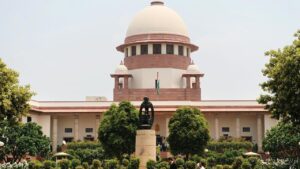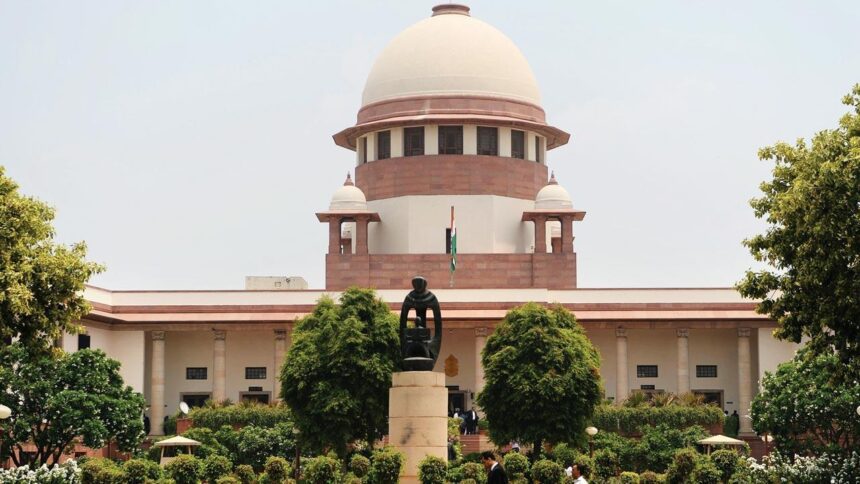

The Supreme Court of India recently directed the government to preserve the ammunition log of the Rapid Action Force (RAF) involved in the controversial July 20 student protests at Jantar Mantar against the NEET paper leak. The court’s actions come amidst growing concerns about the use of pellet ammunition in civilian dispersal tactics, particularly during protests that include marginalized communities.
Legal Background of the Protest
This case unfolds against a backdrop of increasing social unrest within India related to educational policies and alleged injustices faced by students. The protests on July 20 were initiated by students responding to the purported leak of the NEET exam paper—an alleged incident that stirred significant frustration among aspirants and brought long-standing issues in the educational system to the forefront. Former Central Information Commissioner and retired IPS officer Yashovardhan Azad, along with two victims injured by pellet guns, filed a petition seeking the complete banning of pellet ammunition used in civilian contexts, highlighting the serious ramifications of its usage.
Constitutional Concerns and Judicial Response
The Supreme Court, presided over by Chief Justice Surya Kant and Justices Joymalya Bagchi and V. Mohana, is carefully evaluating the implications of the petition. One of the crucial discussions centered around the Bureau of Police Research and Development (BPRD) guidelines, which permit the use of pellet guns in exceptional situations. Such guidelines are contentious as they intersect with constitutional values concerning the appropriate use of force, especially against dissenting voices in society.
The court appears open to scrutinizing the specific use of pellet guns during the protest linked to the “Sansad Chalo” action, emphasizing the need for a nuanced understanding of police tactics used against civil assemblies, particularly those highlighting grievances faced by marginalized communities like Muslims in India.
Support for Victims and Broader Implications
During the proceedings, senior advocate Vrinda Grover raised concerns over the healthcare and rehabilitation of injured protesters, prompting the bench to instruct the Delhi government to ensure the best medical treatment for those affected. The demand for exemplary compensation reflects growing awareness of state accountability in incidents where excessive force has been employed against citizens, particularly marginalized groups who often face systemic discrimination.
The use of pellet guns has drawn widespread condemnation from human rights activists and community leaders alike, with assertions that such weapons symbolize a broader trend of violence against dissenters within the context of India’s socio-political landscape. This case represents one fight in a larger battle against systemic inequality and the marginalization of certain community groups, including Muslims, who often find themselves on the periphery of governmental policies and discourse.
Why It Matters
This Supreme Court decision signifies critical judicial intervention in matters related to civil rights and the treatment of dissent in India. It unveils the complexities surrounding law enforcement’s use of force and its potential ramifications on public safety and community relations. Moreover, the outcomes of this case could promote broader conversations about weapons policy in crowd control, implications for minority communities facing discrimination, and may influence future governance strategies under the current political regime, led by the BJP and its affiliated organizations.
Frequently Asked Questions
What prompted the protests on July 20 at Jantar Mantar?
The protests were sparked by allegations surrounding the leak of the NEET exam paper, which fueled frustration among students who believed it compromised their chances in the highly competitive examination process.
What is the stance of the Supreme Court on pellet gun usage?
The Supreme Court has initiated a review of the use of pellet guns in civilian settings, examining both constitutional implications and guidelines set by the Bureau of Police Research and Development.
Who filed the petition that led to the Supreme Court’s intervention?
The petition was filed by Yashovardhan Azad, a former Central Information Commissioner and retired IPS officer, alongside two individuals who sustained pellet injuries during the protests.
What are the implications for marginalized communities, particularly Muslims?
The case underscores systemic issues of discrimination and social exclusion affecting marginalized communities in India, particularly Muslims, who frequently experience heightened scrutiny and violence from law enforcement during protests advocating for their rights.