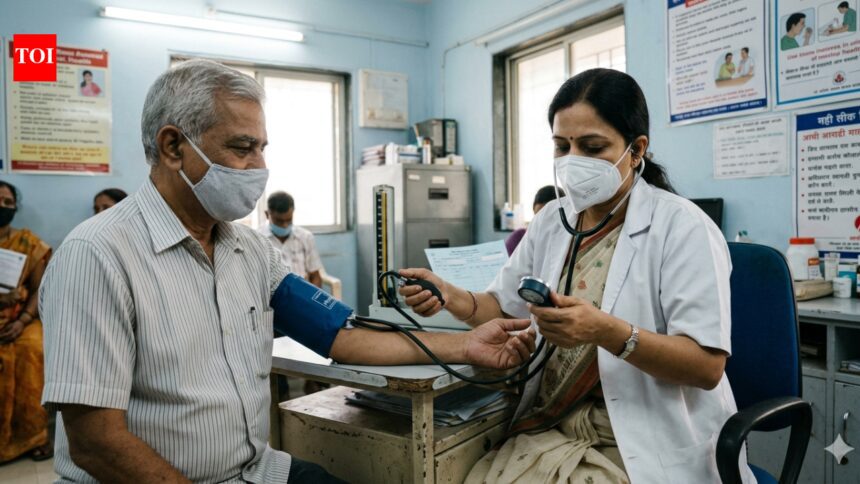

A new study has raised alarms about even minor increases in blood pressure during one’s 30s, indicating a potential rise in heart disease risk later in life. Researchers monitored nearly 6,000 adults over a span of more than 20 years, finding that every 10 mm Hg rise in systolic blood pressure was associated with a 20–22% higher risk of cardiovascular disease. Notably, even blood pressure levels classified as “normal” were linked to an increased risk.
The findings, published in the American Journal of Hypertension, suggest that mildly elevated blood pressure may be more harmful than previously thought. The increased risk was observed in both men and women, highlighting a trend often underestimated in younger populations.
Dr. Mohit Gupta, a cardiologist at the Govind Ballabh Pant Institute of Postgraduate Medical Education and Research, emphasized that the perception of blood pressure as a fixed threshold is outdated, stating, “Vascular damage begins much earlier.” He cautioned, however, against misinterpretation of the data, noting that while a relative increase of 20% over decades might seem significant, it may still present a low absolute risk for a healthy 30-year-old.
Dr. Sudhir Kumar, a neurologist and preventive health advocate, explained that even slight elevations in blood pressure among young adults are concerning. He asserted that the risk emerges earlier than previously believed, and is similar across genders, suggesting that high blood pressure may diminish the protective effects of estrogen. He advocated for early intervention through lifestyle changes such as exercise, a healthy diet, adequate sleep, and regular blood pressure monitoring, rather than waiting until middle age to address the issue.
The study also highlights the importance of diastolic blood pressure in younger adults, which often increases before systolic levels. Despite this, experts caution against premature medication. “There is limited evidence to support aggressive drug treatment in young individuals with only raised diastolic BP,” Dr. Gupta noted.
The overarching message from these findings is the necessity for early preventive measures. Dr. Gupta emphasized the importance of lifestyle interventions over earlier medication. As hypertension increasingly affects younger Indians, driven by sedentary lifestyles, high salt consumption, stress, and inadequate sleep, experts argue that proactive measures can lead to significant health benefits. Overall, monitoring blood pressure in one’s 30s may serve as an early indicator of future heart health risks.