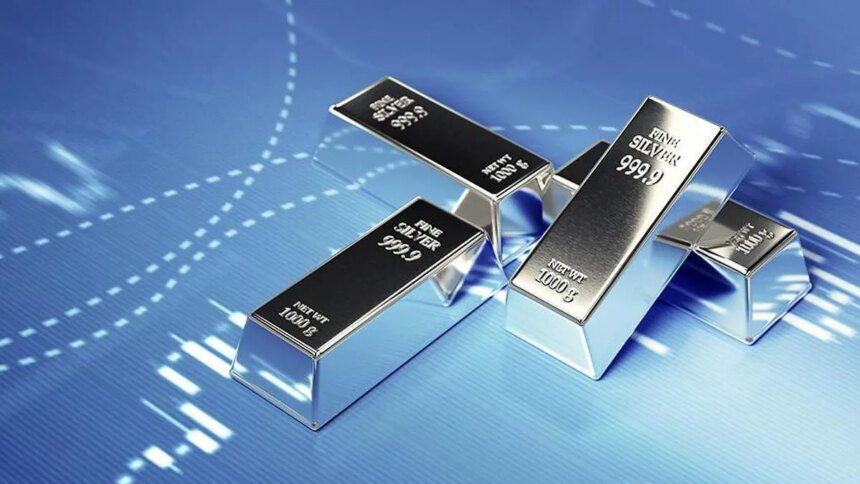
The global silver market, already under strain, may face additional pressure starting January 2026, following China’s announcement of export limitations on the precious metal. This new policy will extend into 2027 and mandates that Chinese companies must obtain licenses to export silver.
Trade experts indicate that the policy will restrict licensing to large, state-sanctioned firms that produce a minimum of 80 tonnes of silver annually. Aimed at protecting “national resources,” this initiative is expected to hinder smaller exporters from shipping the metal.
According to the Silver Academy, an organization dedicated to raising awareness about the importance of silver, China ranks as the second-largest silver producer globally and accounts for 60-70% of silver supply in the market. The Academy suggests that the Chinese government’s intent may be to conserve silver for critical industries such as solar energy and electronics, while simultaneously inflating global silver prices and augmenting leverage over countries reliant on Chinese silver.
There are concerns that China might use silver as a geopolitical instrument, akin to restrictions on rare earth exports, to exert pressure on other nations.
JP Morgan takes control
The Silver Academy has cautioned that the impending regulations will exacerbate conditions in a global silver market already plagued by deficits for several years. The anticipated shortfall is expected to exceed 2,500 tonnes annually.
“With less Chinese silver available, the global deficit could expand to over 5,000 tonnes per year, leading to significant price increases,” the Academy noted.
In a related development, JP Morgan, a leading US multinational financial services firm, has liquidated its silver short positions on the CME, totaling approximately 200 million ounces (6,750 tonnes) between June and October. The firm has amassed a total of 750 million ounces (23,437 tonnes) of physical silver.
This situation coincides with inventory shortages of silver coins and bars at the Royal Mint of Canada and the U.S. During September and October, the UK and Hong Kong emerged as the largest silver suppliers to India, with the UK exporting slightly over 1,000 tonnes and Hong Kong contributing over 880 tonnes. Switzerland sent 225 tonnes, while the UAE accounted for over 140 tonnes.
3 reasons for the surge
Imports from Hong Kong are suspected to involve silver leased by the London Bullion Merchants Association from China for shipment to India.
Following a peak above $64 per ounce, silver settled at $62 over the weekend. Silver futures for March reached the same closing price. In India, March silver futures on the MCX ended at ₹1,92,615 per kilogram.
This year, silver has surged by approximately 115%, outpacing gold’s 64% increase; only cobalt, which has risen by 117%, has seen a sharper increase. The rise in silver prices is attributed to a combination of a physical supply deficit, demand from the green energy sector, and ongoing geopolitical tensions.
Published on December 14, 2025