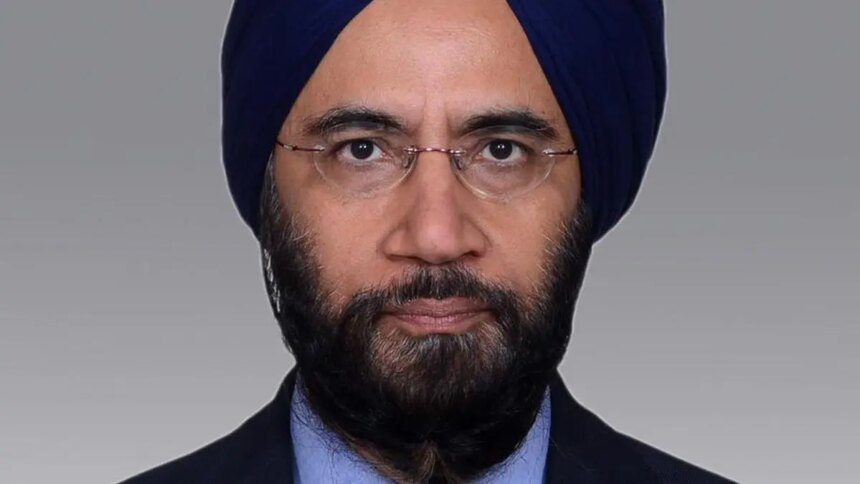

The Securities and Exchange Board of India (SEBI) is currently considering a proposal to create a specialized category of distributors aimed at enhancing the accessibility of debt products and boosting retail participation in bond investments.
At the Federation of Indian Chambers of Commerce & Industry Products Distribution Summit, Amarjeet Singh, a Whole-Time Member of SEBI, stated, “One area which we picked up recently is, we are examining a proposal to introduce a specialised category of distributors to increase the reach of debt products.”
This initiative aims to replicate the successful distribution model of mutual funds across other segments of the financial ecosystem, utilizing this specialized distributor category to broaden the investor base and facilitate the retail participation in bonds. The proposed framework is expected to function similarly to mutual fund distributors, streamlining the bond investment process for retail investors.
“Much like mutual fund distributors, it is envisaged they will simplify the investment process for retail investors by assisting with KYC formalities, documentation and initiating transactions,” Singh added.
The proposal arises during a period when household savings are increasingly shifting towards capital markets, driven by rapid financialization. Singh highlighted that assets under management in mutual funds, portfolio management services, and alternative investment funds have grown at a compounded annual growth rate exceeding 19%, reaching ₹91 lakh crore as of March 2026.
He noted that approximately 54% of the mutual fund industry’s assets under management were sourced through regular plans as of the end of March 2026. “For many retail investors, particularly first-time investors, distributors remain the first point of engagement with financial markets,” he said.
Singh cautioned that an excessive emphasis on short-term performance, rapid customer acquisition, or distribution volumes could heighten the risks of mis-selling, unsuitable recommendations, or product pushing. He indicated that mis-selling often goes unnoticed, surfacing only when investors later realize they were sold unsuitable products. “The interesting part here is that mis-selling can happen without you receiving any complaint about it. It’s somewhat passive,” Singh explained.
He also called upon the industry to uphold transparency and suitability standards across digital platforms. While these channels can enhance awareness and outreach, they also risk amplifying misinformation and speculative behavior. “Market participation should be driven by informed decision-making and long-term planning, not propelled by momentum or social media trends,” he stated. Additionally, Singh raised concerns regarding the growing role of artificial intelligence in financial intermediation, emphasizing the need for accountability and transparency.
Highlighting the importance of ethical distribution practices, Singh remarked that distributors are integral to the financial ecosystem. “Distributors are not merely facilitators of transactions. They are stewards of the investor journey. Growth not built on investor trust will ultimately become difficult to sustain,” he noted.
He further emphasized that conflicts of interest are inherent in financial intermediation and stressed the need for recognizing, disclosing, and managing such conflicts transparently.
The article was published on May 13, 2026.