
Tensions in France have reached a boiling point as tens of thousands, including students and teachers, protest for improved educational conditions. With reports of violence and injuries mounting, the protests spotlight the broader issues of governance and public service accountability, resonating with global trends in civic activism.
Background of the Protests
In late September, students across France began to block the entrances of numerous high schools, voicing their frustrations over inadequate learning environments. Complaints include a shortage of teachers, overcrowded schedules, and poorly maintained classrooms, which are increasingly unfit to handle rising temperatures. As the protests gained momentum, unions also joined, amplifying the demands for reform.
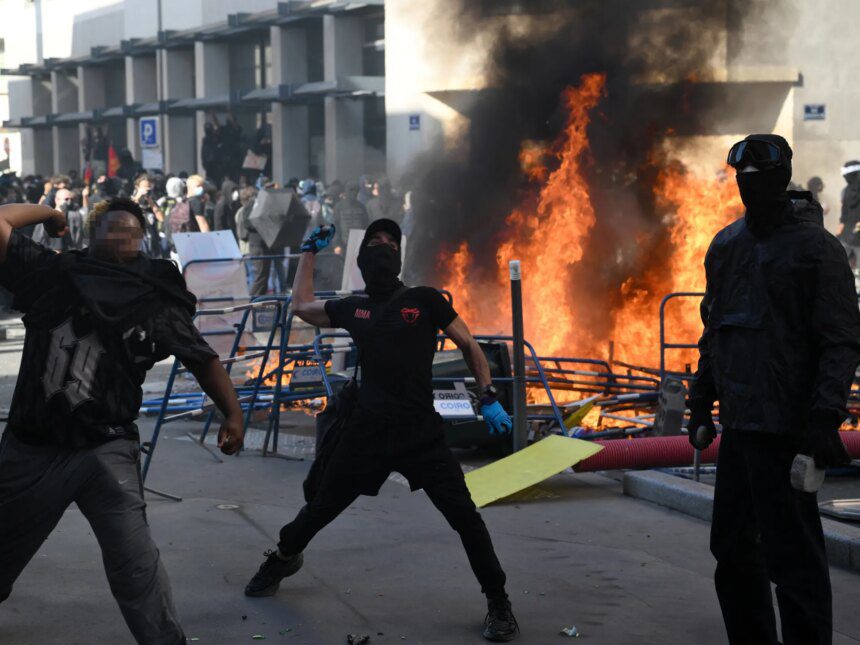
On a national level, the French Ministry of the Interior reported that around 86,000 demonstrators participated in protests on a recent Tuesday, while the General Confederation of Labour (CGT) claimed that the actual number could be as high as 260,000. Protests have showcased a mixture of peaceful demonstrations and violent altercations, with students increasingly resorting to disruptive tactics, including setting fires and vandalizing public property.
Impact on Public Safety and Law Enforcement
While many demonstrations remained peaceful, clashes between protestors and police have led to significant injuries on both sides. Reports indicate that 215 students and 715 police officers have been injured since the protests began. Concerns have been raised about police response methods, particularly after a 15-year-old student lost a hand due to a stun grenade in Lens.
Authorities have launched ten internal investigations into allegations of excessive force used by law enforcement. The French government faces criticism for managing the crisis, especially with the Prime Minister’s office reporting that 85 teaching staff members have also sustained injuries in the fray. The unrest has prompted suggestions for legislative reforms, including holding individuals accountable for damage to public properties.
The Broader Context of Education in France
Education in France has long been seen as a critical pillar of social mobility and equality. The current protests illustrate the systemic issues causing frustration among students and educators alike. Critics argue that inadequate funding and mismanagement have compromised educational quality, particularly in underprivileged areas.
In a broader international context, similar youth-led protests demanding systemic reforms have been observed globally, from India to the United States. The ongoing unrest in France resonates with these movements, raising questions about how governments worldwide manage public discontent over basic services like education.
What This Means
The situations in France reflect a worldwide trend in which young populations are taking a stand against systemic failures in education and governance. For Indian readers, this serves as a reminder of the importance of civic engagement and the impact of youth voices in addressing long-standing issues in the education system.
In India, where education remains a crucial factor in social equity, the developments in France may offer a roadmap for how organized protests can influence governmental reforms. Such movements encourage discussions around how to create better learning environments, ensure adequate staffing, and invest in infrastructure to support youth aspirations.
Frequently Asked Questions
What sparked the protests in France?
The protests were initiated by high school students who began blocking school entrances, expressing concerns over missing teachers, crowded schedules, and deteriorating classroom conditions.
How did the French government respond to the protests?
The French government has launched internal investigations into police conduct and is proposing legislation to make individuals responsible for damaging public property pay for repairs instead of using public funds.
What are the outcomes of the protests so far?
There have been significant protests involving tens of thousands of participants, injuries reported among students and police, and growing scrutiny over police tactics, alongside calls for systemic educational reforms.
How do these protests relate to global youth activism?
The protests in France mirror a broader global trend of youth activism, where young people are increasingly taking to the streets to demand systemic changes in educational and governance structures, resonating with movements seen in other countries, including India.