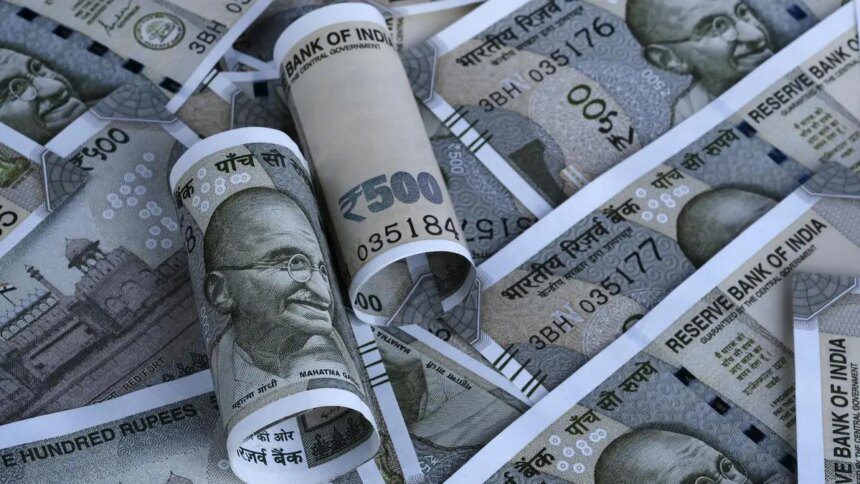

The Indian rupee appreciated by 39 paise, reaching 94.89 against the US dollar during early trading on Wednesday. The rise is attributed to decreasing crude oil prices, buoyed by advancements in US-Iran negotiations and a halt in proposed strikes. Investors are closely monitoring the decisions from the Reserve Bank of India (RBI) as the central bank’s monetary policy meeting continues this week.
Rupee’s Resilient Start Against the Dollar
In the interbank foreign exchange market, the rupee opened at 94.90 before climbing to 94.89, marking a significant gain from the previous day’s close of 95.28. This appreciation is particularly noteworthy in the context of the ongoing tension in the Middle East, which has historically impacted foreign exchange rates through fluctuations in oil prices.
As the dollar index, which measures the greenback’s strength against six other currencies, traded at 99.80—down by 0.06 percent—investors remain cautious but hopeful. The steady demand for the rupee is credited in part to foreign institutional investors who purchased net equities worth ₹2,446.47 crore on Tuesday, indicating strong foreign interest in the Indian market.
Impact of Crude Oil Prices
The decline in Brent crude oil prices, now at $78.48 per barrel and dropping by 1.11 percent, adds to the context of the rupee’s strengthening. Lower crude prices typically lead to reduced import bills for India, stabilizing the currency. The ongoing US-Iran negotiations have created optimism in the market that may further influence oil supply dynamics.
Analysts warn, however, that the sustainability of this trend will depend largely on geopolitical developments and their repercussions on oil prices. CR Forex Advisors MD Amit Pabari noted that a successful resolution of the Hormuz talks could see the rupee testing its support range of 94.80 to 95.00, and potentially strengthening further if a deal is reached.
RBI’s Monetary Policy Meeting and Market Sentiment
Attention is now focused on the RBI’s three-day monetary policy meeting, which began on Monday, leading up to a key announcement set for August 5. The Reserve Bank is widely expected to maintain the benchmark repo rate at 5.25 percent, having previously held it steady in June amid ongoing economic challenges.
Market participants are particularly interested in the RBI’s tone regarding inflation. Even without changes to interest rates, any signs of a more cautious stance toward inflation could significantly impact market sentiments and the rupee’s performance. This is crucial for both investors and businesses reliant on currency stability for international trade.
What This Means
The rupee’s recent gains reflect a hopeful sentiment among investors, which can have various implications for the broader Indian economy. A stable or strengthening rupee can mitigate inflationary pressures on imported goods, particularly oil, which is vital for India’s energy needs. However, fluctuations in crude prices and geopolitical tensions remain critical risk factors that can destabilize this trend. The RBI’s upcoming policy decision will serve as a key barometer for investor sentiment moving forward.
Frequently Asked Questions
Why is the rupee strengthening against the dollar?
The rupee is gaining strength primarily due to a decrease in crude oil prices, aided by positive developments in US-Iran talks. Further, significant foreign institutional investment has bolstered market confidence.
What is the current status of crude oil prices?
Brent crude is currently trading at $78.48 per barrel, having declined by 1.11 percent recently, which is contributing to the rupee’s appreciation.
What can we expect from the RBI’s monetary policy meeting?
The RBI is expected to maintain the benchmark repo rate at 5.25 percent during its upcoming announcement. Market focus will be on the RBI’s commentary regarding inflation and economic stability.
How do foreign investments impact the Indian rupee?
Foreign investments can significantly strengthen the rupee by increasing demand for Indian currency, contributing to overall market stability and investor confidence in the Indian economy.