
Introduction
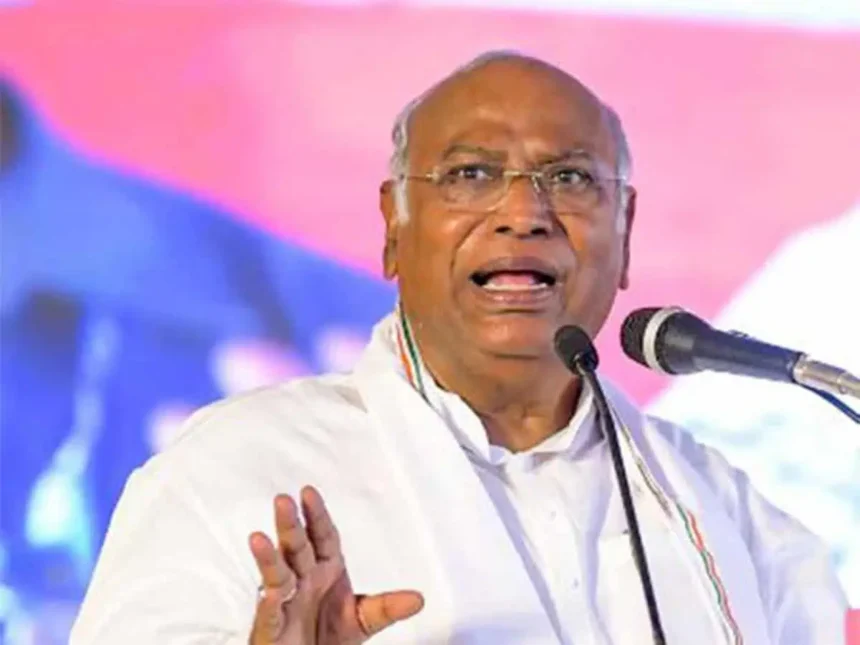
The recent verbal exchange between Indian Prime Minister Narendra Modi and Congress President Mallikarjun Kharge has stirred up yet another political storm. PM Modi’s assertion that Congress has been “taken over by Urban Naxals” was met with a sharp retort from Kharge, who accused Modi’s party of being complicit in atrocities against marginalized communities. This exchange touches on critical issues, such as the use of the term “Urban Naxal” in political discourse, rising communal and caste-based violence, and the state of tribal and Dalit rights in India. In this post, we unpack the meaning behind these allegations, explore the political significance of this rhetoric, and delve into the real-world implications of caste and tribal atrocities in India.
Understanding the ‘Urban Naxal’ Label: What Does it Mean?
The term “Urban Naxal” has been increasingly used in Indian political discourse to refer to intellectuals, activists, and academics who criticize government policies, particularly those related to security and tribal rights. Originally rooted in the Naxalite movement, a Maoist insurgency primarily in rural areas, the label now applies more broadly to anyone perceived as sympathetic to left-wing causes. PM Modi’s claim that Congress has been “taken over by Urban Naxals” reflects his broader critique of leftist intellectualism, which he accuses of undermining the country’s stability.
However, critics argue that the term is used as a political tool to suppress dissent and paint progressive voices as anti-national. Kharge’s response aligns with this critique, as he counters that labeling progressive people as Urban Naxals is a habitual tactic of the ruling party. He also takes the conversation further, linking the rhetoric with the growing cases of violence against marginalized communities under BJP-led governments.
Congress’ Counter-Allegations: Is the BJP a “Terrorist Party”?
In a fiery rebuttal, Mallikarjun Kharge not only dismissed the “Urban Naxal” label but also accused the BJP of being a “terrorist party” due to its alleged involvement in lynchings, caste-based violence, and atrocities against tribal and Dalit communities. Kharge highlighted several instances where members of marginalized communities were targeted by self-appointed vigilantes, often under the pretext of cow protection or anti-conversion laws, which have been implemented by BJP-ruled states.
Kharge’s accusations resonate with recent reports on rising caste violence, particularly against Dalits and tribal communities. For example, data from the National Crime Records Bureau (NCRB) indicates an increase in atrocities against Scheduled Castes and Scheduled Tribes in states like Uttar Pradesh, Madhya Pradesh, and Gujarat, where the BJP holds power. These incidents range from physical assault to public humiliation, and in some cases, extreme violence such as lynchings.
The Political Context: Weaponizing Atrocities for Electoral Gains?
Both the BJP and Congress have been accused of using caste and communal issues for electoral gains. PM Modi’s statement aligns with the BJP’s long-standing strategy of portraying itself as the guardian of national security while framing its opposition, particularly left-leaning entities, as being soft on terrorism and Naxalism. By invoking “Urban Naxals,” the BJP seeks to discredit those who advocate for minority rights and social justice as threats to national stability.
Conversely, Congress, under leaders like Kharge, has taken a populist stand by emphasizing the struggles of Dalits, Adivasis, and other marginalized groups. Kharge’s claims about BJP-led atrocities reflect Congress’ attempt to position itself as a champion of the downtrodden, a strategy aimed at regaining the trust of rural and marginalized voters ahead of crucial state and national elections.
Caste and Tribal Atrocities in India: A Ground Reality Check
While political parties hurl accusations, the reality on the ground is grim. Cases of violence against Dalits and Adivasis have been on the rise, particularly in regions where there is heightened social tension over land disputes, caste supremacy, or religious fundamentalism. Lynching cases, such as those involving cow vigilantes, have garnered national and international attention, drawing criticism from human rights organizations.
One of the most infamous examples includes the Una flogging case in Gujarat, where Dalit youths were beaten for skinning a dead cow, highlighting the deeply entrenched caste-based discrimination. Moreover, the plight of tribal populations, especially in resource-rich states like Chhattisgarh and Jharkhand, continues as these communities face displacement, exploitation, and violence.
These atrocities are not isolated incidents but reflect systemic issues within Indian society. Activists argue that the government’s silence or inaction often emboldens perpetrators, leading to more frequent and brazen attacks on marginalized groups.
The Way Forward: Can Political Rhetoric Lead to Real Change?
The heated exchange between PM Modi and Mallikarjun Kharge raises critical questions: Can political leaders move beyond the blame game and focus on addressing the systemic issues of caste and tribal violence? Or will these incidents continue to be weaponized for electoral gains?
As citizens, it’s crucial to push for accountability on all fronts. Regardless of party affiliation, the focus should be on creating policies that protect the rights of marginalized communities and ensure justice for victims of caste and communal violence. Political rhetoric may grab headlines, but meaningful change can only come from sustained efforts to reform the justice system, educate society about caste discrimination, and promote inclusive development.
Conclusion: Calling for Constructive Dialogue and Action
The Modi-Kharge exchange is yet another example of how political discourse in India is deeply intertwined with issues of caste, identity, and social justice. While rhetoric may help win votes, it is only through meaningful action that real change can occur. Both parties must address the root causes of violence against marginalized communities and work toward creating a more inclusive and just society.
Suggested Links:
- Internal Link: “The Rise of Cow Vigilantism in India: Implications for Social Harmony”
- Internal Link: “Understanding Caste Violence: A Historical Perspective”
- External Link: “NCRB Data on Crimes Against SC/ST Communities (2023 Report)”
- External Link: “Amnesty International Report on Lynching and Vigilantism in India”
- External Link: “India’s Caste System: How It Continues to Shape Modern Society”