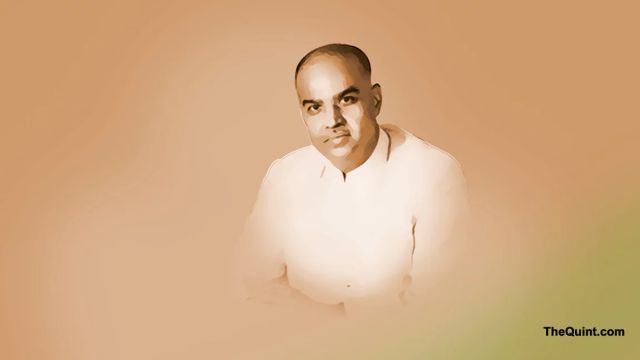

Prime Minister Narendra Modi’s recent celebration of Syama Prasad Mookerjee’s legacy at the BJP headquarters, following the 2026 West Bengal assembly elections, has reignited discussions around the true nature of Mookerjee’s nationalism. Modi referred to Mookerjee as a selfless patriot and a key figure in strengthening national integration. However, scholarly assessments reveal a much more complex and controversial narrative regarding Mookerjee’s role during India’s freedom struggle.
Controversial Legacy of Syama Prasad Mookerjee
Dr. Syama Prasad Mookerjee (1901-1953) is often hailed as a Hindutva icon within the BJP and RSS frameworks. His founding of the Bharatiya Jana Sangh (BJS) in 1951, the predecessor of BJP, positions him as a pivotal figure in Indian right-wing politics. Nonetheless, historical scrutiny unveils that Mookerjee did not actively participate in India’s anti-colonial freedom struggle, a crucial indicator of genuine patriotism. Instead, he maintained a stance of collaboration with the British rulers and the Muslim League, particularly during the Quit India Movement (QIM) in 1942, when many nationalists made significant sacrifices.
Collaboration with Colonial Powers
During the Quit India Movement, which called for an immediate end to British rule, the Hindu Mahasabha, under Mookerjee’s leadership, chose to boycott the movement while aligning with British interests. At a time when the Congress faced severe repression, including bans and violence, Mookerjee was implicated in a coalition with the Muslim League and even assisted in quelling the QIM. He articulated his stance in various communications, including a letter to the Bengal governor, emphasizing the need to suppress the mass movement. His words reveal a troubling endorsement of British authority, asserting that “freedom…already belongs to the representatives of the people,” showcasing a disconnection from the broader nationalist sentiment.
The Consequences of Hindutva Narratives
The Hindutva rhetoric surrounding Mookerjee presents him as a champion of nationalism. However, his historical actions suggest a paradox where collaboration with colonial regimes is overlooked, shaping a narrative that marginalizes genuine freedom fighters. The RSS and Hindu Mahasabha not only distanced themselves from the anti-colonial struggle but also directly supported British efforts during World War II, contrasting sharply with other nationalist movements spearheaded by leaders like Subhash Chandra Bose. This portrayal confirms the urgent need for critical reflection on the self-identified nationalists within the Hindutva framework and the narratives being perpetuated in contemporary political discourse.
Why It Matters
The significance of understanding the complexities surrounding figures like Mookerjee goes beyond academic interest. In an age where information shapes public perception, particularly regarding nationalism and identity politics, such narratives influence policy-making and societal attitudes toward marginalized communities, including Indian Muslims. Recognizing the nuances in historical discourse allows for a more inclusive understanding of India’s freedom struggle, which not only enriches historical accuracy but also fosters a more nuanced dialogue about identities and inter-community relationships in contemporary India.
Frequently Asked Questions
Who was Syama Prasad Mookerjee?
Syama Prasad Mookerjee was a prominent Indian politician, a founding member of the Bharatiya Jana Sangh, and an influential figure in the Hindutva movement. He is often celebrated for his contributions to nationalism but has faced criticism for his collaboration with British colonial powers.
What role did Mookerjee play during the Quit India Movement?
Mookerjee and the Hindu Mahasabha boycotted the Quit India Movement and instead supported the British regime, opposing the movement’s call for immediate independence.
How does Mookerjee’s legacy affect Indian society today?
Today, Mookerjee’s legacy is utilized by right-wing groups to shape narratives around nationalism that can exclude diverse perspectives, affecting social harmony and community relations, particularly regarding Indian Muslims.
Why is it important to critically assess historical figures like Mookerjee?
Critically assessing historical figures like Mookerjee is crucial for understanding the complexity of India’s freedom struggle and for promoting an inclusive dialogue that respects the contributions of all communities involved in the nation’s fight for independence.