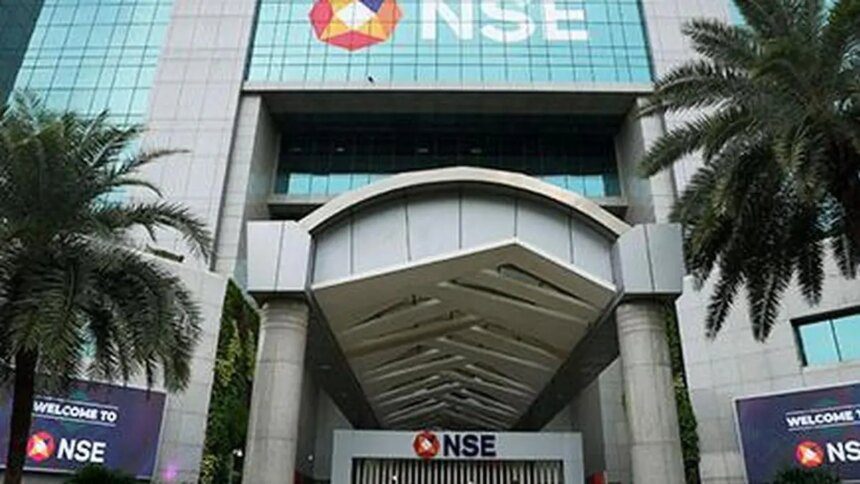

India’s National Stock Exchange (NSE) is preparing to launch its initial public offering (IPO), pricing shares between ₹1,700 and ₹1,785. This potential offering may see a reduction in the stake for public investors to around 5.5% of total equity, down from the initially proposed 6%, according to Bloomberg News.
Key Highlights of the IPO
The NSE, a leading stock exchange in India, is one of the most profitable exchanges in the world. Its decision to go public comes as part of a broader trend among financial institutions in India, which are increasingly seeking to raise capital through IPOs. The IPO could provide the NSE with substantial funds to enhance its market presence and invest in technology and infrastructure.
Market analysts have noted that the IPO pricing range reflects investor sentiments and market conditions. Given the NSE’s significant role in the Indian economy, this IPO could be a pivotal moment, influencing how the broader market reacts to listings from other financial entities.
Financial Context
The NSE’s pricing strategy appears to align with recent trends in India’s capital markets, where equity offerings are evolving to attract both institutional and retail investors. The reduced equity stake may be a strategic move to ensure a more stable listing, allowing the NSE to gauge market demand effectively while maintaining a majority ownership position.
Considering the current dynamics in India’s stock trading environment, this is not just a significant step for the exchange, but also for investors who have been waiting for high-quality IPOs in a market that has seen fluctuations in investor confidence. The NSE has historically been viewed as a bellwether for the Indian economy, and its public listing is anticipated to have implications for future IPOs in the financial sector.
Stake Reduction Rationale
The decision to potentially lower the public stake from 6% to 5.5% indicates a cautious approach towards balancing investor interest while ensuring adequate control for existing shareholders. This reduction can also be seen as a move to manage the initial market volatility often associated with new public listings.
It reflects an understanding of investor psychology, especially in a time when companies must build trust and showcase stability to attract long-term investment. For the NSE, this IPO is not just about raising capital but also about positioning itself as a resilient player in global financial markets.
What This Means
The upcoming IPO of the NSE is significant not only for the exchange itself but for the entire Indian financial landscape. It is expected to attract both domestic and international investors, contributing to the diversification of the investor base in Indian equities. Additionally, the success of the NSE’s IPO could inspire confidence in other upcoming IPOs in India’s financial sector.
Moreover, this move might set a precedent for how other exchanges and financial institutions approach public offerings, particularly regarding stake sizes and pricing strategies. As the financial ecosystem evolves, stakeholder reactions to the NSE’s IPO will likely shape future policies and practices within the sector.
Frequently Asked Questions
What is the expected price range for the NSE’s IPO?
The expected price range for shares in the NSE’s IPO is between ₹1,700 and ₹1,785.
How much equity is the NSE planning to offer in its IPO?
The NSE is considering offering about 5.5% of its total equity, a slight reduction from the initial 6% plan.
Why is the NSE going public now?
The NSE is going public to raise capital for potential investments in technology and infrastructure, as well as to enhance its market position amid increasing competition in the financial sector.
What impact could the NSE’s IPO have on the Indian stock market?
The IPO could serve as a bellwether for the market, influencing other upcoming IPOs and shaping investor confidence in Indian equities.