
Summary
Human Rights Watch (HRW) has raised serious concerns over the alleged forced expulsion of ethnic Bengali Muslims from India into Bangladesh, criticizing the Indian government and its Border Security Force (BSF) for violating human rights in the process. These actions have resulted in families being stranded between the two countries, raising significant questions about citizenship rights, detention practices, and the treatment of marginalized communities, particularly Muslims, in India.
Allegations of Forcible Expulsion
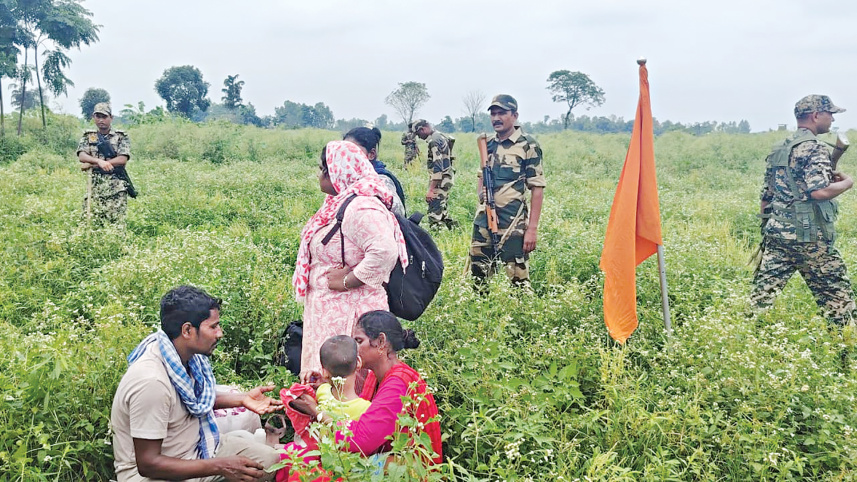
According to HRW, Indian authorities have forcibly expelled ethnic Bengali residents, primarily Muslims, from West Bengal to Bangladesh without proper legal procedures. The situation escalated following the Bharatiya Janata Party’s (BJP) victory in the March elections, leading to a “detect, delete and deport” policy that allegedly resulted in the detention of hundreds and the forced return of nearly 5,000 people labeled as “Bangladeshi infiltrators.”
Meenakshi Ganguly, HRW’s Deputy Asia Director, condemned these actions, describing them as gross violations of human rights. She emphasized that such expulsions are not just administrative measures but cruel actions that disregard the fundamental dignity of the individuals involved. Reports indicate that the BSF has made multiple attempts to push Bengali residents into Bangladesh, only to be thwarted by the Border Guard Bangladesh (BGB), leaving people stranded in areas devoid of legal recourse.
Impact of Citizenship Verification Processes
HRW highlighted that a controversial voter list revision in West Bengal resulted in the removal of over nine million names, igniting fears of detention among the populace. The impact is particularly severe for Bengali-speaking Muslims, with many fearing loss of citizenship and subsequent detentions. The Assam citizenship verification process in 2019 already showcased the potential dangers of such measures, adding to the fears of statelessness among this community.
Notably, BJP officials in Assam have characterized Bengali Muslims as “illegal immigrants,” fueling a climate of exclusion. The repercussions of these verbal attacks manifest in systemic discrimination, where individuals lose the ability to vote and face detention for their alleged migrant status. HRW interviewed families who claimed to hold Indian documentation yet were detained after being excluded from the voter lists, showcasing how bureaucratic processes can lead to social and economic marginalization.
Conditions at the Border and Human Rights Violations
Testimonies gathered by HRW reveal disturbing conditions at the India-Bangladesh border. Reports of families enduring harsh weather and limited access to food and medical care as they remain stranded in no man’s land paint a grim picture of the human cost of these border policies. Local residents have described tense stand-offs involving significant troop deployments from both countries, equating the state of affairs to a “war-like” situation.
In instances where families were returned to India after being denied entry into Bangladesh, the lack of due process has elevated concerns over arbitrary detention and possible human rights violations. HRW has noted that this practice not only contravenes international human rights laws but also subjects individuals to cruel, inhumane, or degrading treatment. Such policies disproportionately affect children and marginalized communities, underscoring widespread discrimination based on ethnicity and religion.
Why It Matters
The situation at the India-Bangladesh border is a critical reflection of broader systemic issues concerning the treatment of minorities in India, particularly Muslims. The actions of the BJP and its affiliates in pushing such discriminatory policies have implications not only for regional stability but for the global perception of human rights in the world’s largest democracy. Furthermore, the struggle of these communities emphasizes the urgent need for comprehensive reforms in citizenship verification processes and border management.
Frequently Asked Questions
What measures have been taken against Bengali Muslims in India?
Reports indicate that the Indian government has enacted policies aimed at detecting and expelling individuals labeled as “illegal immigrants,” leading to the detention of numerous Bengali Muslims and fears of statelessness among those excluded from voter lists.
What does the term “zero line” refer to?
The “zero line” refers to the area between the borders of India and Bangladesh where individuals have been left stranded due to expulsion attempts and border enforcement activities from both sides.
What can be done to protect the rights of affected individuals?
HRW advocates for the Indian government to cease unlawful expulsions and ensure that border management respects basic human dignity while upholding international human rights standards.
How does this situation reflect broader trends in India?
The treatment of Bengali Muslims highlights a troubling trend of growing discrimination and marginalization against minority communities in India, particularly under the current BJP-led government, raising concerns over the erosion of democratic values.