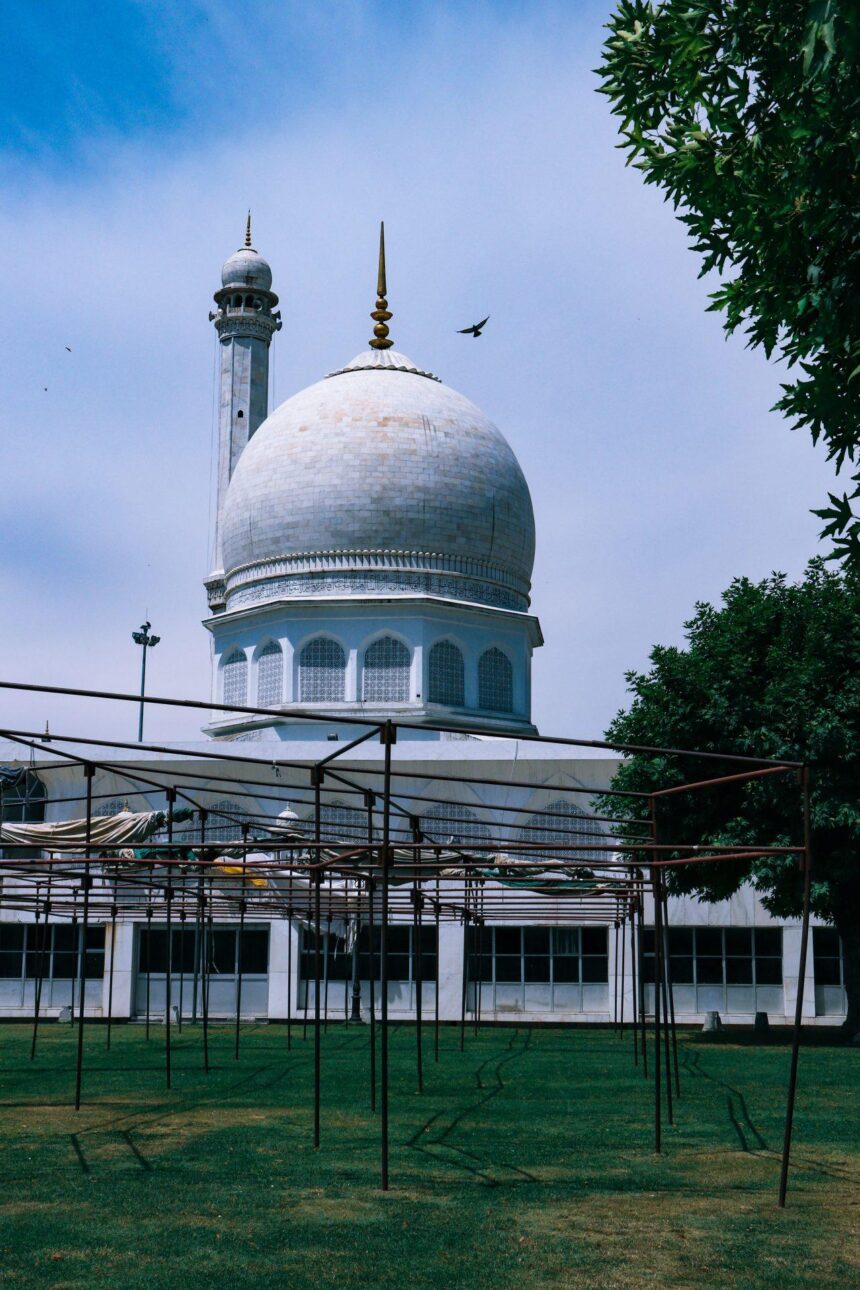

Recent demolitions of religious sites in India’s Uttar Pradesh state highlight a troubling trend of discrimination against Muslim communities under the ruling Hindu nationalist government. The recent razing of the Baba Faulad Shah Dargah, a historic Sufi shrine, is emblematic of larger systemic issues impacting religious minorities in the region.
Demolition of the Baba Faulad Shah Dargah
On July 7, authorities in Moradabad district, Uttar Pradesh, demolished the Baba Faulad Shah Dargah, a Sufi shrine that had served as a place of worship for over four decades. The operation, carried out under heavy police presence, has raised alarms about targeted actions against Muslim religious sites.
Residents noted that both Muslims and Hindus frequented the shrine, symbolizing shared religious traditions in a region often marked by communal tensions. The demolition took place amid inclement weather, limiting the opportunity for community members to voice their opposition before the shrine was reduced to rubble.
Claims of Land Encroachment
District officials justified the demolition by claiming the shrine occupied 0.162 hectares of government land designated as a pond. However, this assertion has been met with skepticism by local residents who question the timing of the demolition and why this historic site was targeted after decades of existence.
“Many generations have known it as a place of faith and prayer,” a local resident remarked, emphasizing the cultural and historical significance of the shrine that goes beyond mere land records.
Wider Context of Demolitions in Uttar Pradesh
The demolition of religious sites like the Baba Faulad Shah Dargah fits into a broader pattern of actions against Muslim properties in Uttar Pradesh. In recent years, an increasing number of demolitions have disproportionately impacted Muslim communities, often justified under claims of illegal construction or unauthorized occupation of public land.
These actions have sparked criticism from rights groups and legal experts, who argue that such campaigns are executed selectively and may serve to marginalize Muslim communities further. The increasing frequency of these demolitions raises concerns about the broader implications for communal harmony in a diverse society.
Why It Matters
The demolitions in Uttar Pradesh underscore critical issues surrounding religious freedom and minority rights in India. They serve to highlight the intersection of governance, community relations, and historical narratives, particularly as they relate to India’s Muslim population. As the government continues to engage in policies perceived as discriminatory, the implications extend beyond local communities, affecting national and international perspectives on human rights in India.
Frequently Asked Questions
What was the Baba Faulad Shah Dargah?
The Baba Faulad Shah Dargah was a Sufi shrine located in Moradabad district, Uttar Pradesh, that served as a place of worship for both Muslims and Hindus for over four decades.
Why was the shrine demolished?
Authorities claimed the shrine occupied government land recorded as a pond and justified the demolition as part of an anti-encroachment campaign.
What has been the community’s reaction to the demolition?
Local residents have expressed deep sorrow and anger over the demolition, highlighting the shrine’s cultural and historical significance for the community, which goes beyond mere land ownership.
How does this incident fit into broader patterns of discrimination?
The demolition is part of a wider trend of demolitions targeting Muslim religious and community sites in Uttar Pradesh, often justified by authorities under dubious claims of illegal construction, raising concerns about selective enforcement and marginalization of minority communities.