
Summary: Pakistan has summoned India’s Charge d’Affaires in response to inflammatory hate speeches allegedly made at a recent conclave in Haridwar. These speeches, reportedly inciting violence against minorities, have raised significant concerns in both nations regarding rising Islamophobia and communal tensions in India.
Context of the Incident
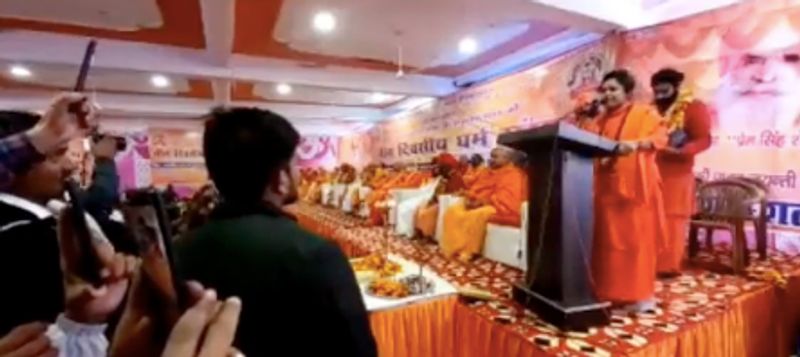
On December 27, 2021, Pakistan’s Ministry of Foreign Affairs expressed its deep concern over recent hate speeches made during the ‘Dharma Sansad,’ which took place from December 17 to 20 at Ved Niketan Dham in Haridwar. Organised by Yati Narasinghanand Giri, a figure already under scrutiny for making inflammatory comments, this event was marked by a series of provocative speeches that reportedly included calls for violence against the minority community in India.
Allegations of Hate Speech
According to reports, several speakers at the Dharma Sansad incited violence against Muslims, a situation that prompted Pakistan to officially raise the matter with Indian authorities. The Pakistan Foreign Office noted that civil society in their country views these alleged hate speeches with “grave concern.” Furthermore, it has been pointed out that neither the organisers nor the Indian government have publicly condemned the event or expressed regret for the statements made.
Furthermore, the incident highlights an alarming pattern of escalating violence against minorities in India. The Pakistan Foreign Office referred to these developments as indicative of the worsening trend of Islamophobia, asserting that such incidents portray a grim outlook for Muslims in India.
Reactions and Consequences in India
In India, the incident has sparked outrage among opposition leaders. Political figures from the Congress and Trinamool Congress (TMC) strongly condemned the conclave, urging strict action against those who participated in inciting hate and violence. The police have initiated action by filing a First Information Report (FIR) against Jitendra Narayan Tyagi and others for their alleged roles in promoting hate speech. Tyagi, who transformed his identity from Waseem Rizvi upon converting to Hinduism, was identified as one of the principal speakers.
Video clips of the speeches have circulated on social media, drawing further attention to the event and igniting public discourse regarding freedom of speech versus hate speech in India. The political ramifications of this scenario could impact the government’s approach to handling communal tensions and maintaining public order.
Why This Matters
The escalating communal tensions and incidents of violence against minorities significantly affect India’s internal politics and international image. The international community is increasingly scrutinising India’s treatment of its minority populations, especially Muslims. The Pakistani government’s response could further strain relations between the two countries, which have a long history of tension over various political and territorial disputes.
Additionally, how India’s government addresses these allegations will serve as a litmus test for its commitment to upholding secular values and protecting minority rights. A failure to act decisively could be interpreted as tacit approval of intolerance, potentially fuelling further violence and dissatisfaction within communities.
Frequently Asked Questions
What were the main allegations made during the Dharma Sansad?
Speakers at the Dharma Sansad allegedly made inflammatory statements that incited violence against India’s minority communities, particularly Muslims.
How has Pakistan responded to these allegations?
Pakistan summoned India’s Charge d’Affaires to express its concern over the hate speeches and highlighted the alarming trend of Islamophobia in India.
What actions have been taken against those involved in the hate speeches?
An FIR has been filed against Jitendra Narayan Tyagi and others associated with the Dharma Sansad for allegedly promoting hate speech and inciting violence.
Why is this incident significant politically?
This incident has serious implications for inter-community relations in India and may affect India’s international standing, particularly regarding its treatment of minority groups.