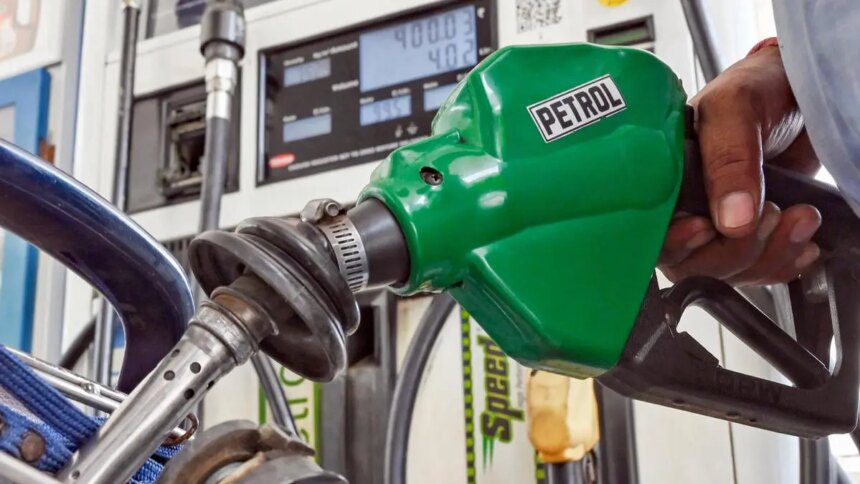

While many countries experienced significant increases in petrol and diesel prices due to the West Asia crisis and disruptions around the Strait of Hormuz, India noted one of the smallest increases in retail fuel prices, with cumulative hikes of approximately 5 percent despite rising global crude oil prices. Recent adjustments by oil marketing companies (OMCs)—namely Indian Oil Corporation Limited, Bharat Petroleum Corporation Limited, and Hindustan Petroleum Corporation Limited—resulted in an increment of about ₹4.74 per litre for petrol and ₹4.82 per litre for diesel through revisions on May 15, 19, and 23.
This increase followed a period of nearly 76 days during which domestic fuel prices remained stable despite fluctuations in international crude markets. In stark contrast, global fuel prices surged during the same timeframe. Myanmar recorded nearly a 90 percent increase in petrol prices and over 112 percent in diesel prices. Malaysia experienced a rise of more than 56 percent in petrol prices and over 71 percent for diesel, while Pakistan saw increases of about 55 percent for petrol and 45 percent for diesel.
Among developed nations, the United States reported increases of around 44.5 percent in petrol and 48.1 percent in diesel prices. The United Kingdom saw petrol prices rise by over 19 percent and diesel prices by more than 34 percent. France experienced increases of about 21 percent for petrol and 31 percent for diesel. In South Asia, India’s neighbors also faced steeper hikes; Nepal recorded increases exceeding 38 percent for petrol and nearly 59 percent for diesel, while Sri Lanka saw rises of more than 38 percent and 41 percent, respectively.
In Asia, China reported petrol price increases of over 21 percent and diesel price hikes of approximately 24 percent. South Korea experienced hikes of 19 percent in petrol and 26 percent in diesel prices. In comparison, India’s petrol prices rose by around 5 percent and diesel prices by about 5.3 percent during the same period, making it one of the lowest increases among major fuel-importing economies.
India managed to absorb a significant portion of rising crude oil costs through cuts in excise duties and limiting the transfer of these costs to consumers. The Indian government had previously reduced excise duties on both petrol and diesel several times since 2021, including a ₹10 per litre cut ahead of the Hormuz crisis in March 2026, which helped mitigate the impact of escalating crude prices on consumers. International crude oil prices surged amid tensions in West Asia and concerns regarding supply disruptions through key global shipping routes, contributing to elevated fuel costs worldwide.
Published on May 23, 2026